

Be the Referee: Soccer Shootouts
By
Sam Davis
MHSAA Director of Officials
October 18, 2022
Be The Referee is a series of short messages designed to help educate people on the rules of different sports, to help them better understand the art of officiating, and to recruit officials.
Below is this week's segment – Soccer Shootouts - Listen
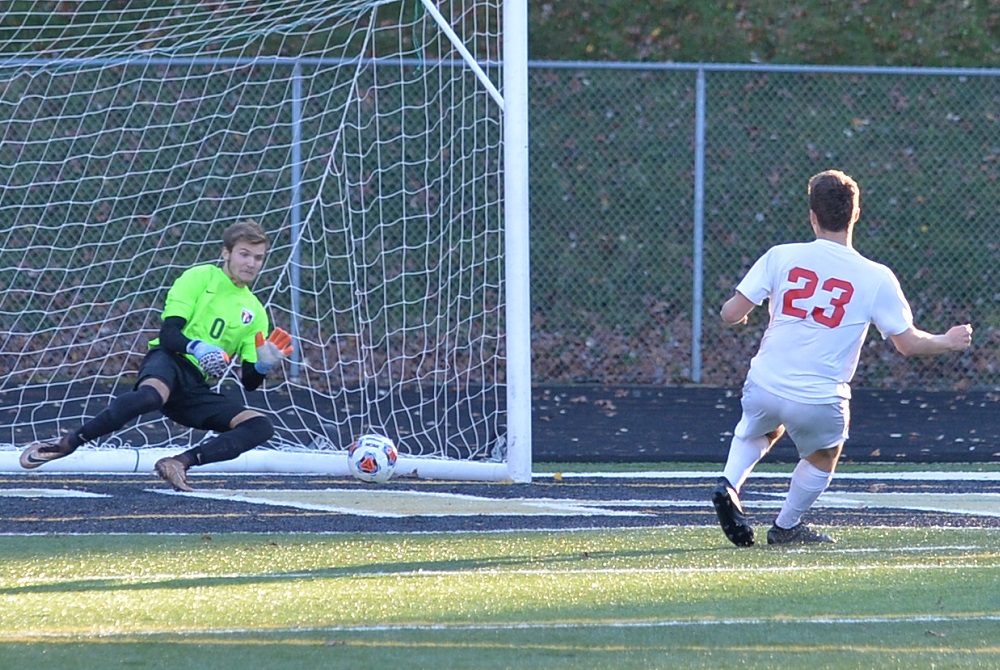
It’s tournament time for boys soccer, and that means the return of the shootout. In the regular season, games can end in a tie. But postseason games need to have a winner. If a game is tied at the end of regulation and the 20-minute overtime period, we move to a shootout.
Each team gets five attempts from the penalty spot, alternating between teams. If after five attempts, the teams still remain tied, it moves to one kick for each team until the tie is broken.
Now what happens when a kick is stopped by the keeper but has enough spin on it to roll back across the goal line?
That’s a goal. A shootout attempt isn’t complete until the ball stops moving, goes out of play or the referee stops play. Just because a goalie initially stops an attempt does not mean the play is over.
Previous Editions:
Oct. 11: Safety in End Zone - Listen
Oct. 4: Football Overtime Penalty - Listen
Sept. 27: Kickoff Goal - Listen
Sept. 20: Soccer Timing - Listen
Sept. 13: Volleyball Replays - Listen
Sept. 6: Switching Sides - Listen
Aug. 30: Play Clock - Listen
Aug. 23: Intentional Grounding Change - Listen
Be the Referee: Ski Gates
By
Paige Winne
MHSAA Director of Brand Management
January 27, 2026
Be The Referee is a series of short messages designed to help educate people on the rules of different sports, to help them better understand the art of officiating, and to recruit officials.
Below is this week's segment – Ski Gates - Listen
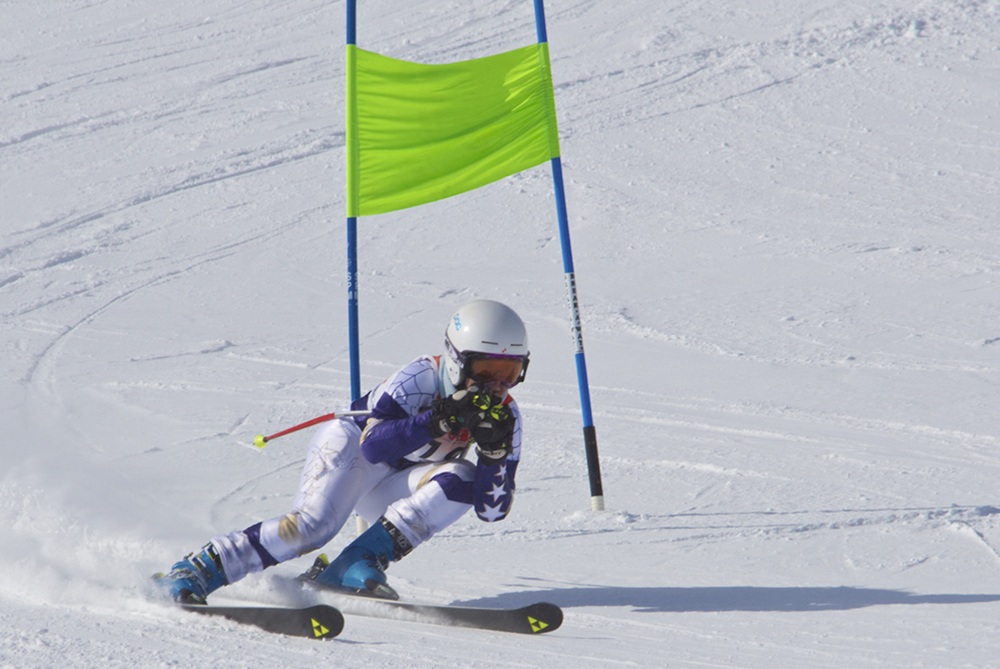
Let’s talk about the Hike Rule today. No, that’s not when the center snaps the ball to the quarterback. The Hike Rule is used in skiing when an athlete misses a gate or pole.
If a skier misses a gate – the fastest way to fix this fault is by hiking up to loop the missed pole in either direction. You don’t necessarily have to go back to your original line and correct your path – you can hike the shortest route possible to allow you to correctly pass through the gate.
In flushes and hairpins – if you miss gate 2 but make gate 3 – you only need to hike back to gate 2 and pass it correctly and then go on to gate 4. You do not need to pass gate 3 a second time.
Previous 2025-26 editions
Jan. 20: Cheer Judges - Listen
Jan. 13: Basketball Over the Back - Listen
Jan. 6: Bowling Ball Bounces Out of Gutter - Listen
Dec. 9: Puck on Goal Netting - Listen
Dec. 2: Goaltending vs. Basket Interference - Listen
Nov. 25: Football Finals Instant Replay - Listen
Nov. 18: Volleyball Libero Uniforms - Listen
Nov. 11: Illegal Substitution/Participation - Listen
Nov. 4: Losing a Shoe - Listen
Oct. 28: Unusual Soccer Goals - Listen
Oct. 21: Field Hockey Penalty Stroke - Listen
Oct. 14: Tennis Double Hit - Listen
Oct. 7: Safety in Football - Listen
Sept. 30: Field Hockey Substitution - Listen
Sept 23: Multiple Contacts in Volleyball - Listen
Sept. 16: Soccer Penalty Kick - Listen
Sept. 9: Forward Fumble - Listen
Sept. 2: Field Hockey Basics - Listen
Aug. 26: Golf Ball Bounces Out - Listen