

Be the Referee: No More One-And-Ones
By
Sam Davis
MHSAA Director of Officials
December 12, 2023
Be The Referee is a series of short messages designed to help educate people on the rules of different sports, to help them better understand the art of officiating, and to recruit officials.
Below is this week's segment – No More One-And-Ones - Listen
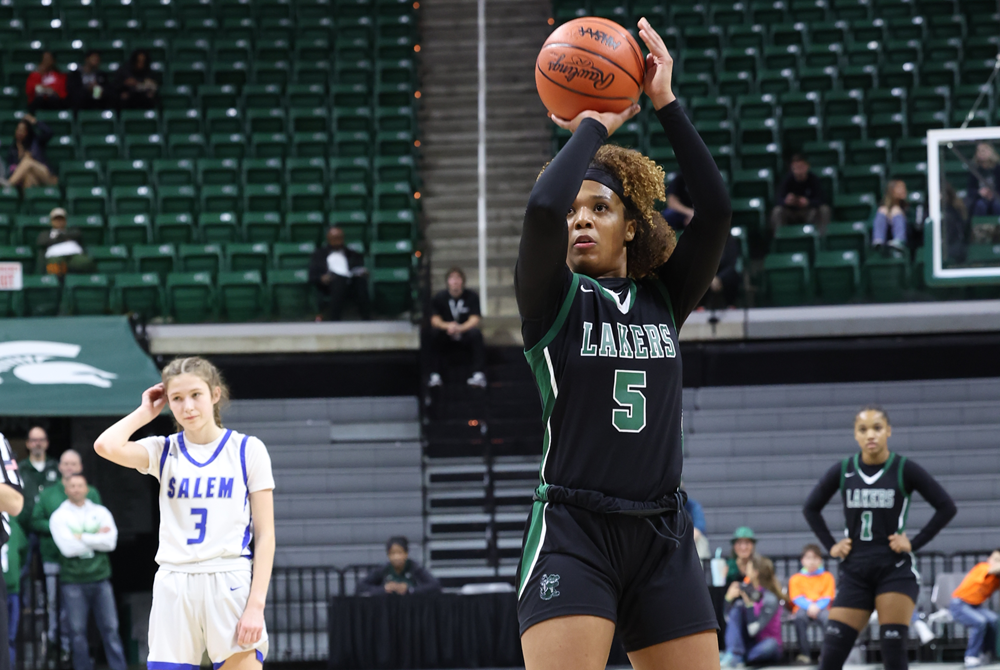
A rule change in high school basketball means there will no longer be one-and-one free throws, and team fouls now reset after each quarter, not at the half. Here’s how it works:
A team will reach the bonus in each quarter once its opponent has committed five fouls. That means teams will shoot two free throws for all common fouls after the fourth team foul in a quarter.
Previously, teams weren’t in the bonus until the seventh team foul and then shot one-and-one free throws until the 10th team foul of a half, or double bonus, was reached.
A foul on a 3-point attempt will still result in three free throws for the shooter and still counts as a team foul.
Previous Editions
Nov. 21: Football Finals Replay - Listen
Nov. 14: Volleyball Unplayable Areas - Listen
Nov. 7: Pass/Kick Off Crossbar - Listen
Oct. 31: Cross Country Interference - Listen
Oct. 24: Soccer Overtime - Listen
Oct. 17: Tennis Spin - Listen
Oct. 10: Blocked Kick - Listen
Oct. 3: Volleyball Double & Lift - Listen
Sept. 26: Registration Process - Listen
Sept. 20: Animal Interference - Listen
Sept. 13: Feet Rule on Soccer Throw-In - Listen
Sept. 6: Volleyball Jewelry - Listen
Aug. 30: Football Rules Similarities - Listen
Aug. 23: Football Rules Differences - Listen
Be the Referee: Unusual Soccer Goals
By
Paige Winne
MHSAA Marketing & Social Media Coordinator
October 28, 2025
Be The Referee is a series of short messages designed to help educate people on the rules of different sports, to help them better understand the art of officiating, and to recruit officials.
Below is this week's segment – Unusual Soccer Goals - Listen
We’re talking some unusual ways to score soccer goals today.
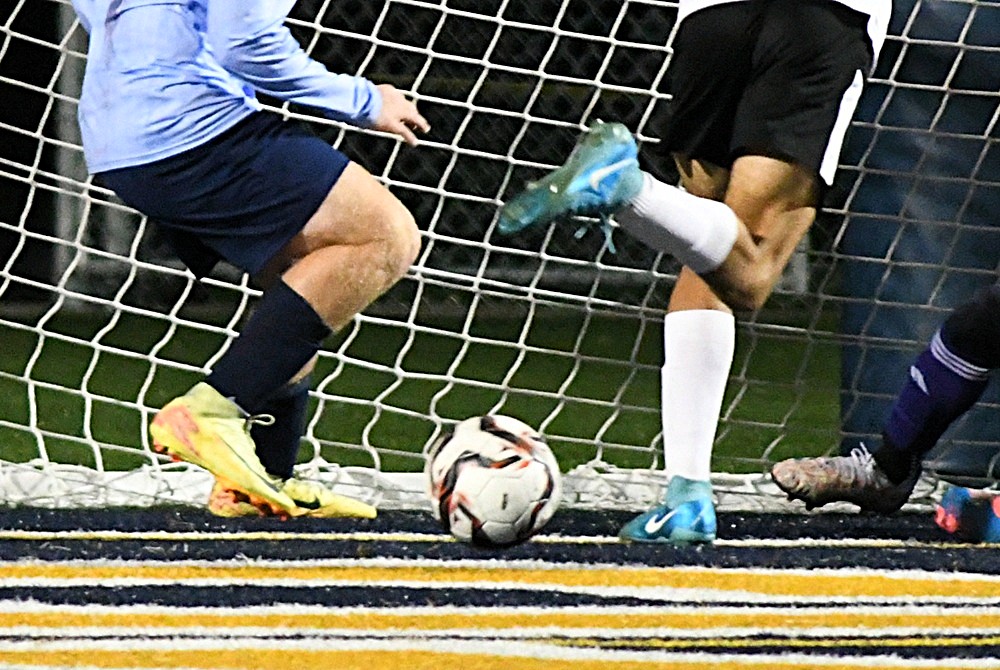
It doesn’t happen often, but a team can score directly from a corner kick or the kickoff.
But what if it’s a goalie, down in their own end, who somehow throws the ball 80 yards or so and into the back of the other team’s net. Does that count?
It does not. A keeper cannot score for his own team by throwing the ball the length of the field and into his opponent’s goal.
If this were to happen, the defending team would receive a goal kick.
But if the keeper accidentally throws the ball into his own net, then it does count as a goal for the opponent.
You don’t always need your feet to score a goal in soccer.
Previous 2025-26 editions
Oct. 21: Field Hockey Penalty Stroke - Listen
Oct. 14: Tennis Double Hit - Listen
Oct. 7: Safety in Football - Listen
Sept. 30: Field Hockey Substitution - Listen
Sept 23: Multiple Contacts in Volleyball - Listen
Sept. 16: Soccer Penalty Kick - Listen
Sept. 9: Forward Fumble - Listen
Sept. 2: Field Hockey Basics - Listen
Aug. 26: Golf Ball Bounces Out - Listen