


High 5s: 11/28/12
November 28, 2012
The final MHSAA championships of the Fall 2012 season give us our final High 5s before heading into winter. This week, we recognize both an individual and a team that achieved new heights.
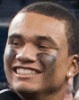 Drake Harris
Grand Rapids Christian junior
Football
A 6-foot-4, 180-pound receiver who has committed to play both football and basketball at Michigan State beginning in 2014, Harris posted one of the finest receiving season in MHSAA history capped by playing a huge role in his team's first MHSAA championship. The Eagles beat Orchard Lake St. Mary's 40-37 in overtime Saturday for the Division 3 title. His eight catches for a Finals-record 243 yards and a touchdown put his unofficial season totals at 91 catches for 2,015 yards and 25 scores. Once confirmed, the season yardage will rank as the most in MHSAA history and 12th nationally for one season (his yards per game rank fourth and yards per catch sixth on the NFHS lists). Harris also ranked fourth for catches and second for touchdown catches on the MHSAA single-season lists.
Just ducky: "I'm probably more energized now after he hit that kick," Harris said after teammate Joel Schipper's winning field goal Saturday. "I was probably more tired a little bit during the game. But we condition all practice. We play fast. We play like Oregon, move the ball, (at) a high tempo. We're all in condition, so we really weren't that tired."
Bring on the new guy: Harris has caught more than 3,000 yards worth of passes from senior Alex VanDeVusse over the last two seasons, but will play with a new quarterback in 2013. "I've been with Alex since sophomore year. I guess I have to start over and work hard all next season and hope to get back here."
Be like Calvin: "Calvin Johnson, I want to be just like him when I get older. I know I'm a little skinny right now, but when I get to college, I know they'll put weight on me. I watch film on him all the time, watch him running routes. So I take my game after him. He's the best wide receiver in the NFL right now, probably one of the best wide receivers to play the game, in my opinion."
 Portland football
The Raiders, unranked despite entering the postseason 8-1, finished with their first MHSAA title won in their first trip to the Finals. Portland defeated Grand Rapids West Catholic 12-9 in the Division 5 championship game after knocking out 2011 champion Flint Powers Catholic in the Regional Final. For the playoffs, Portland outscored its five opponents 169-66 while holding three to nine or fewer points. In finishing 13-1 and setting a school record for wins, the Raiders beat nine playoff teams total including eventual Division 3 Semifinalist DeWitt.
Previous 2012-13 honorees:
- Julia Bos, Grand Rapids Christian cross country - Click for more
- Morgan Bullock, Zeeland swimming - Click for more
- Nathan Burnand, Waterford Mott cross country - Click for more
- Aaron Chatfield, Burt Lake Northern Michigan Christian soccer - Click for more
- Erin Finn, West Bloomfield cross country - Click for more
- Alex Grace, Saginaw Swan Valley football - Click for more
- Billy Heckman, Portage Central tennis - Click for more
- Codi Jenshak, Escanaba tennis - Click for more
- Amanda McKinzie, Battle Creek St. Philip cross country - Click for more
- Connor Mora, Cedar Springs cross country - Click for more
- Kelsey Murphy, Plymouth golf - Click for more
- Dewey Lewis, Rockford soccer - Click for more
- Nick Raymond, Erie Mason cross country - Click for more
- Jacqueline Setas, Lansing Catholic golf - Click for more
- Michael Sienko, Williamston tennis - Click for more
- Carli Snyder, Macomb Dakota volleyball - Click for more
- Beal City volleyball - Click for more
- East Kentwood soccer - Click for more
- Flint Beecher football - Click for more
- Grand Blanc boys soccer - Click for more
- Holland girls swimming and diving - Click for more
- Ithaca football - Click for more
- Lansing Everett football - Click for more
- Ludington boys tennis - Click for more
- Muskegon Mona Shores girls golf - Click for more
How To Be Proactive About Concussions In Student Athletes
December 5, 2023
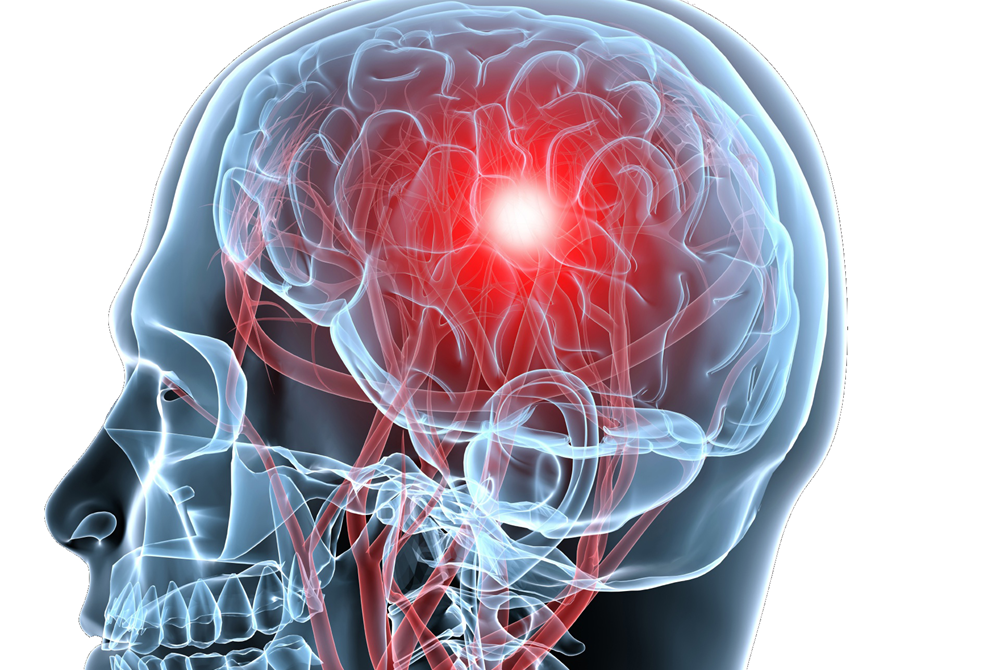
Most people have seen the headlines about concussions as a common sports injury—and it's natural that parents of athletes may have concerns. A large misconception in sports is that previous concussions are to be blamed for ongoing headaches, blurred vision and memory loss, among other symptoms.
 “It’s really important to think about concussions in tandem with overall brain health,” says Jake Carpenter-Thompson, M.D., Ph.D., a board-certified neurologist at the Henry Ford Kutcher Clinic for Concussion and Sports Neurology. “Concussions can be concerning, but they shouldn’t be looked at in a vacuum. It is important to understand an athlete’s overall brain health to help manage recovery after any impact.”
One way to do that is to consult with your child’s doctor or a sports neurologist for an annual evaluation. A sports neurologist focuses on managing sports-related brain and nervous system injuries and conditions in athletes, such as concussions, post-concussion syndrome, peripheral nerve injuries, migraines, epilepsy and more.
“Having an annual evaluation of your athlete’s brain health when they are at their baseline – and uninjured – can help diagnose and treat issues when they arise,” says Dr. Carpenter-Thompson.
A qualified healthcare professional can use the baseline evaluation results as an important comparison tool if an athlete develops a suspected concussion.
Best Practices For Keeping Athletes Safe
Dr. Carpenter-Thompson shares these tips to ensure you keep front of mind your child’s brain health and safety, not just their athletic performance:
- Get a brain health baseline test. This should include a personal and family neurological history, with a focus on current issues. It is important to note any neurological conditions that may influence concussion recovery, such as ADHD, depression, anxiety or migraine headaches.
- Encourage your children to listen to their body. There are risks to playing any sport. Encourage your child to listen to and be honest about how they’re feeling. It’s the best way to prevent and treat injuries.
- In the event of an injury, look for the signs. Within 24 hours after an injury, an athlete should be evaluated if they are experiencing: headaches, fatigue, dizziness and nausea, changes in sleep habits, trouble with memory, confusion, irritability and anxiety, or light sensitivity.
- Know that brain injuries don’t just occur with a blow to the head. They can also occur from falls, car accidents or even whiplash. If your child is experiencing any symptoms, consult your physician.
- Remember that brain health is more than just concussions. If your athlete is complaining of chronic headaches, migraines, dizziness, memory or mood issues, there may be an underlying issue.
“There is no magic number of concussions a brain can sustain. Each person is different,” says Dr. Carpenter-Thompson. “The severity of the impact and recovery time can vary greatly for numerous reasons. By getting a brain health assessment before the injury, we can provide more targeted care to improve an athlete's overall clinical course.”
To find a sports medicine doctor or athletic trainer at Henry Ford, visit henryford.com/athletes.