


High 5s: 11/28/12
November 28, 2012
The final MHSAA championships of the Fall 2012 season give us our final High 5s before heading into winter. This week, we recognize both an individual and a team that achieved new heights.
 Drake Harris
Grand Rapids Christian junior
Football
A 6-foot-4, 180-pound receiver who has committed to play both football and basketball at Michigan State beginning in 2014, Harris posted one of the finest receiving season in MHSAA history capped by playing a huge role in his team's first MHSAA championship. The Eagles beat Orchard Lake St. Mary's 40-37 in overtime Saturday for the Division 3 title. His eight catches for a Finals-record 243 yards and a touchdown put his unofficial season totals at 91 catches for 2,015 yards and 25 scores. Once confirmed, the season yardage will rank as the most in MHSAA history and 12th nationally for one season (his yards per game rank fourth and yards per catch sixth on the NFHS lists). Harris also ranked fourth for catches and second for touchdown catches on the MHSAA single-season lists.
Just ducky: "I'm probably more energized now after he hit that kick," Harris said after teammate Joel Schipper's winning field goal Saturday. "I was probably more tired a little bit during the game. But we condition all practice. We play fast. We play like Oregon, move the ball, (at) a high tempo. We're all in condition, so we really weren't that tired."
Bring on the new guy: Harris has caught more than 3,000 yards worth of passes from senior Alex VanDeVusse over the last two seasons, but will play with a new quarterback in 2013. "I've been with Alex since sophomore year. I guess I have to start over and work hard all next season and hope to get back here."
Be like Calvin: "Calvin Johnson, I want to be just like him when I get older. I know I'm a little skinny right now, but when I get to college, I know they'll put weight on me. I watch film on him all the time, watch him running routes. So I take my game after him. He's the best wide receiver in the NFL right now, probably one of the best wide receivers to play the game, in my opinion."
 Portland football
The Raiders, unranked despite entering the postseason 8-1, finished with their first MHSAA title won in their first trip to the Finals. Portland defeated Grand Rapids West Catholic 12-9 in the Division 5 championship game after knocking out 2011 champion Flint Powers Catholic in the Regional Final. For the playoffs, Portland outscored its five opponents 169-66 while holding three to nine or fewer points. In finishing 13-1 and setting a school record for wins, the Raiders beat nine playoff teams total including eventual Division 3 Semifinalist DeWitt.
Previous 2012-13 honorees:
- Julia Bos, Grand Rapids Christian cross country - Click for more
- Morgan Bullock, Zeeland swimming - Click for more
- Nathan Burnand, Waterford Mott cross country - Click for more
- Aaron Chatfield, Burt Lake Northern Michigan Christian soccer - Click for more
- Erin Finn, West Bloomfield cross country - Click for more
- Alex Grace, Saginaw Swan Valley football - Click for more
- Billy Heckman, Portage Central tennis - Click for more
- Codi Jenshak, Escanaba tennis - Click for more
- Amanda McKinzie, Battle Creek St. Philip cross country - Click for more
- Connor Mora, Cedar Springs cross country - Click for more
- Kelsey Murphy, Plymouth golf - Click for more
- Dewey Lewis, Rockford soccer - Click for more
- Nick Raymond, Erie Mason cross country - Click for more
- Jacqueline Setas, Lansing Catholic golf - Click for more
- Michael Sienko, Williamston tennis - Click for more
- Carli Snyder, Macomb Dakota volleyball - Click for more
- Beal City volleyball - Click for more
- East Kentwood soccer - Click for more
- Flint Beecher football - Click for more
- Grand Blanc boys soccer - Click for more
- Holland girls swimming and diving - Click for more
- Ithaca football - Click for more
- Lansing Everett football - Click for more
- Ludington boys tennis - Click for more
- Muskegon Mona Shores girls golf - Click for more
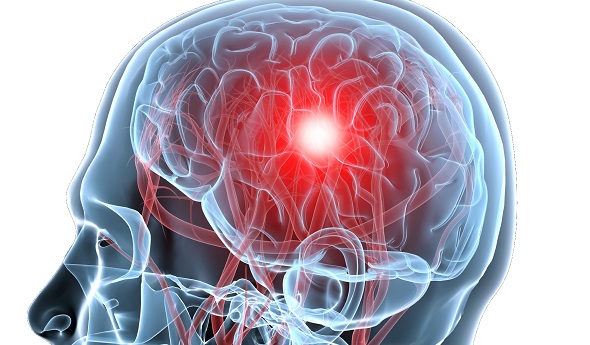
5 Concussion Myths Debunked
November 8, 2022
Awareness about the dangers of concussions is at an all-time high. In response, athletic organizations — from Pop Warner football (a nonprofit program for kids 5 to 16) to USA Hockey — have safe-play protocols in place. But misconceptions about injury — prevention, management and return to play — are still all too common.
 "It's great that parents, coaches and athletes are focused on the potential for concussions, but they also need to be aware of the complexities involved in evaluating, diagnosing and managing concussion," says Jeffrey Kutcher, M.D., a sports neurologist who treats athletes at the Henry Ford Kutcher Clinic for Concussion and Sports Neurology.
The best way to get the knowledge you need? Learn how to separate fact from fiction.
Separating Concussion Fact From Fiction
Here’s the truth behind five common concussion myths:
Myth #1: Concussions are only caused by blows to the head.
Concussions happen in response to force. While they often result from a blow to the head, they can also occur after a hit to the neck, shoulders or anywhere else on the body. To cause brain injury, the force of the impact only needs to cause the head to move rapidly back and forth (think whiplash from a car crash or a spill down the stairs).
Myth #2: Concussions always involve a loss of consciousness.
A very small percentage of all concussions, 10 percent or less, result in a loss of consciousness. For the remaining injuries, parents, coaches and medical providers should watch for additional symptoms such as:
· Confusion
· Balance problems
· Slurred speech
· Physical complaints including headache, nausea and vomiting.
Myth #3: You should keep a person awake overnight after a concussion has occurred.
It's important to observe and interact with a recently concussed person for the first few hours to recognize the potential signs of a more serious injury. However, if they are interacting normally after four hours, it’s okay to let them sleep. If you have any doubts or questions, always err on the side of caution and seek medical attention.
Myth #4: After a concussion, kids should avoid digital media until they feel better.
Unless digital activities or screen time significantly worsen symptoms, there's no reason to avoid them. "You shouldn't force people who have suffered a concussion to rest too much — or deprive them of sensory input — if they are comfortable engaging in activity," Dr. Kutcher says. What’s more, taking away activities that bring a person joy or keep them socially connected could end up prolonging their recovery by creating additional symptoms.
Myth #5: All physical activity should be avoided after a concussion.
It’s important to rest for the first two to three days after a concussion. However, you need to be careful not to rest too much or avoid all activity for too long.
Engaging in physical, mental and social activities can be beneficial. But knowing how much to do and when to take it easy can be difficult. If you have any questions, consult a sports neurologist for specific recommendations.
Ground Rules for Concussion Prevention and Management
When it comes to preventing concussion, common sense offers the greatest impact, Dr. Kutcher notes. He recommends starting with these four tenets:
- Whenever possible, limit the amount of contact in practices and games.
- Wear proper fitting and certified helmets or other head protection whenever appropriate.
- Spread contact drills out over time as much as possible.
- Practice good technique and play by the rules.
Athletes — especially those who play contact sports — should undergo an annual neurological evaluation that includes a comprehensive, focused neurological history and examination. This information provides a critical point of reference for medical professionals.
Knowing the truth about concussions — including what to watch for and what to do if one occurs — is really the best game plan.
Dr. Jeffrey Kutcher is a sports neurologist at the Henry Ford Concussion and Sports Neurology Clinic and the global director of the Kutcher Clinic.
Want to learn more? Henry Ford Health System sports medicine experts are treating the whole athlete, in a whole new way. From nutrition to neurology, and from injury prevention to treatment of sports-related conditions, they can give your athlete a unique game plan.
Visit henryford.com/sports or call (313) 972-4216 for an appointment within 24 business hours.