

In Memoriam: Haack, Locke, Newton
By
Geoff Kimmerly
MHSAA.com senior editor
August 17, 2016
From time to time, we receive news of the passing of people who have played major roles in the near-century history of MHSAA athletics. Below are notes on a few who left us this summer but made major contributions.
Ray Haack, St. Joseph – Haack taught and coached at Reese High School before serving in the U.S. Navy during World War II, then was employed by St. Joseph High School from 1946-86. According to his obituary, Haack built a 198-86 record coaching the Bears’ boys basketball team from 1951-66. He led the 1951 and 1953 teams to Class B championships. He died July 6 at the age of 96.
Ralph Locke, Albion – Locke was an MHSAA registered official for 38 years, for basketball during his entire tenure and for football beginning in 1986. He officiated a number of MHSAA tournament contests, mostly in football but also boys basketball, and worked Semifinal and the Class AA Final for football (Detroit Catholic Central 27, Rockford 23) in 1998. He died July 29 at age 61.
Bill Newton, Farmington – Newton led Farmington to an unexpected first MHSAA ice hockey championship in 2014, his first season as varsity coach, as his team upset reigning champion Bloomfield Hills Cranbrook Kingswood in the Quarterfinal. His teams finished 44-33-4 over three seasons with a league title this past winter, and he resigned at the end of last season in part to continue his fight against cancer, according to a report by the Farmington Observer & Eccentric. Newton had previously coached as a varsity assistant for four years and junior varsity assistant for two, the report said. He died Aug. 6 at age 55.
Be the Referee: Fair or Foul?
By
Paige Winne
MHSAA Director of Brand Management
May 6, 2026
Be The Referee is a series of short messages designed to help educate people on the rules of different sports, to help them better understand the art of officiating, and to recruit officials.
Below is this week's segment – Fair or Foul? - Listen
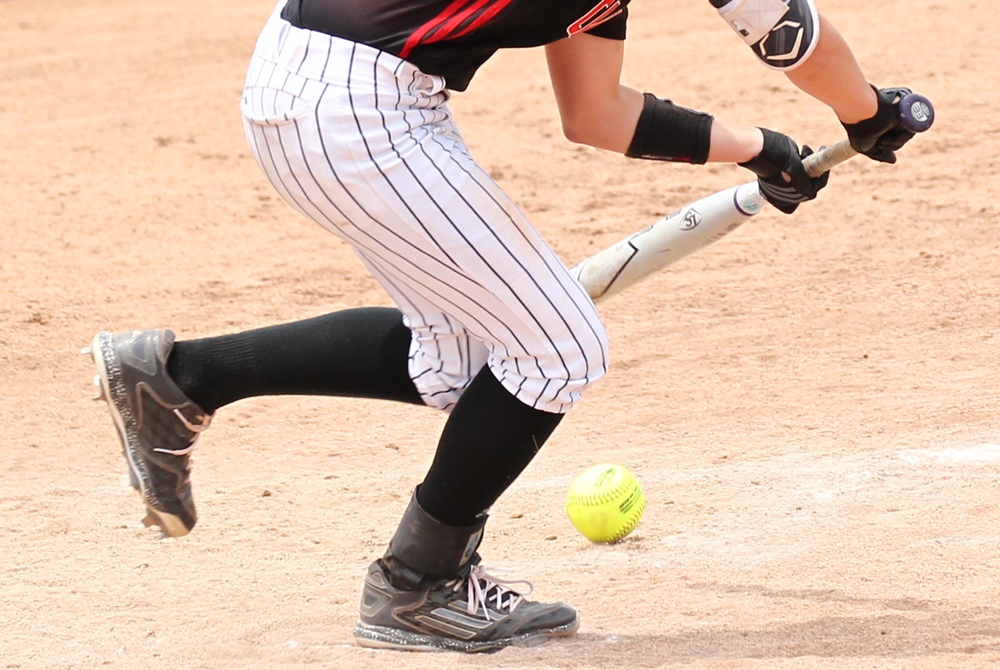
In baseball or softball, what makes a batted ball fair or foul? Seems pretty easy, right?
Let’s go through some scenarios.
The white chalk line is considered fair territory. So are any foul poles. If a ball hits the foul pole – it’s a fair ball.
If a ball hits a base – it’s a fair ball.
If a ball that hits the ground in the infield, crosses over a base in fair territory before slicing into foul ground, it’s a fair ball because it crossed the base in fair territory.
A ball in the infield that is hit into foul territory that spins back into fair ground is fair. It doesn’t matter that it hit in foul territory first.
And a ball that rolls to a stop before getting to a base, that is sitting in foul territory but is hanging over the white chalk line, is fair.
Previous 2025-26 editions
April 28: Wrong Green - Listen
April 21: Injured Runner - Listen
April 14: Officiate Michigan Day - Listen
March 11: Basketball Replay - Listen
March 3: Over the Back - Listen
Feb. 24: Wrestling Out-of-Bounds - Listen
Feb. 17: Backwards Skiing - Listen
Feb. 10: Faking Being Fouled - Listen
Feb. 3: Bowling Pins - Listen
Jan. 27: Ski Gates - Listen
Jan. 20: Cheer Judges - Listen
Jan. 13: Basketball Over the Back - Listen
Jan. 6: Bowling Ball Bounces Out of Gutter - Listen
Dec. 9: Puck on Goal Netting - Listen
Dec. 2: Goaltending vs. Basket Interference - Listen
Nov. 25: Football Finals Instant Replay - Listen
Nov. 18: Volleyball Libero Uniforms - Listen
Nov. 11: Illegal Substitution/Participation - Listen
Nov. 4: Losing a Shoe - Listen
Oct. 28: Unusual Soccer Goals - Listen
Oct. 21: Field Hockey Penalty Stroke - Listen
Oct. 14: Tennis Double Hit - Listen
Oct. 7: Safety in Football - Listen
Sept. 30: Field Hockey Substitution - Listen
Sept 23: Multiple Contacts in Volleyball - Listen
Sept. 16: Soccer Penalty Kick - Listen
Sept. 9: Forward Fumble - Listen
Sept. 2: Field Hockey Basics - Listen
Aug. 26: Golf Ball Bounces Out - Listen