


MHSAA Gives Guidance on Face Coverings
September 10, 2020
By Geoff Kimmerly
Second Half editor
To provide further guidance and clarification after the announcement of Executive Order 180 regarding COVID-19 precautions and athletics by Michigan Governor Gretchen Whitmer on Wednesday, the Michigan High School Athletic Association today provided member schools with guidance on the wearing of facial coverings for interscholastic sports.
Following is an excerpt from today’s communication sent to member schools on facial coverings:
Here is a summary of current requirements as they relate to fall sports and face coverings in light of the Governor’s most recent Executive Order (EO 2020-180). It is the MHSAA’s expectation that all members comply with Executive Order 180, which was issued on September 9, 2020, and governs social distancing and facial coverings requirements for organized sports.
As of September 10:
- Face coverings may be worn but student-athletes are not required to do so while in active participation in cross country, golf and tennis. Active participation only applies when an athlete is “in” the game/match/meet/race/competition or is actively involved in any warm-up or cool-down activity. In swimming & diving, there is no requirement of face coverings while preparing to enter the water (and obviously while in the water) but the covering shall be worn at all other times when on-deck or in the facility.
- Face coverings are required in football, soccer and volleyball. This includes all times during active participation and all times during non-active participation when 6 feet of physical distance cannot be maintained.
- There are no provisions in EO 180 for medical intolerance reasons or medical waivers. This is not an MHSAA regulation, and thus the MHSAA has no legal authority to waive or modify this Executive Order from the Governor’s office.
- In both indoor and outdoor practice and training sessions in all regions of the state, including Regions 6 and 8, this same sport-specific guidance applies.
- Consistent with current Executive Orders, face coverings shall be worn by coaches, medical staff, game event staff, media members and spectators. Note that broadcasters and PA announcers are an exception to this requirement when that person is actively broadcasting or announcing. This allows broadcasters and announcers to remove the face covering while performing those speaking duties but should wear the face covering at all other times.
- Officials may wear face coverings on the field of play if he/she desires. Officials shall wear face coverings upon arrival at a facility, before the contest, during intermissions away from the field/court/area of play and following the contest until departure. Remember that officials have no role in enforcing face covering requirements as this is a responsibility of school administrators.
- Executive Order 180 does not define ‘facial coverings’ for purposes of organized sports. Traditional cloth masks, gaiters, affixed helmet plastic shields (100% clear – no tint) and cloth/fabric helmet attachments located inside the face mask (all of which must cover the nose and mouth) are not prohibited.
The MHSAA will attempt to assist schools in understanding these requirements but know the MHSAA has no authority to waive, ignore or modify Executive Orders for any reason.
The MHSAA is a private, not-for-profit corporation of voluntary membership by more than 1,500 public and private senior high schools and junior high/middle schools which exists to develop common rules for athletic eligibility and competition. No government funds or tax dollars support the MHSAA, which was the first such association nationally to not accept membership dues or tournament entry fees from schools. Member schools which enforce these rules are permitted to participate in MHSAA tournaments, which attract more than 1.4 million spectators each year.
2024 Scholar-Athlete Award Recipients Announced in Class C & D
By
Geoff Kimmerly
MHSAA.com senior editor
February 5, 2024
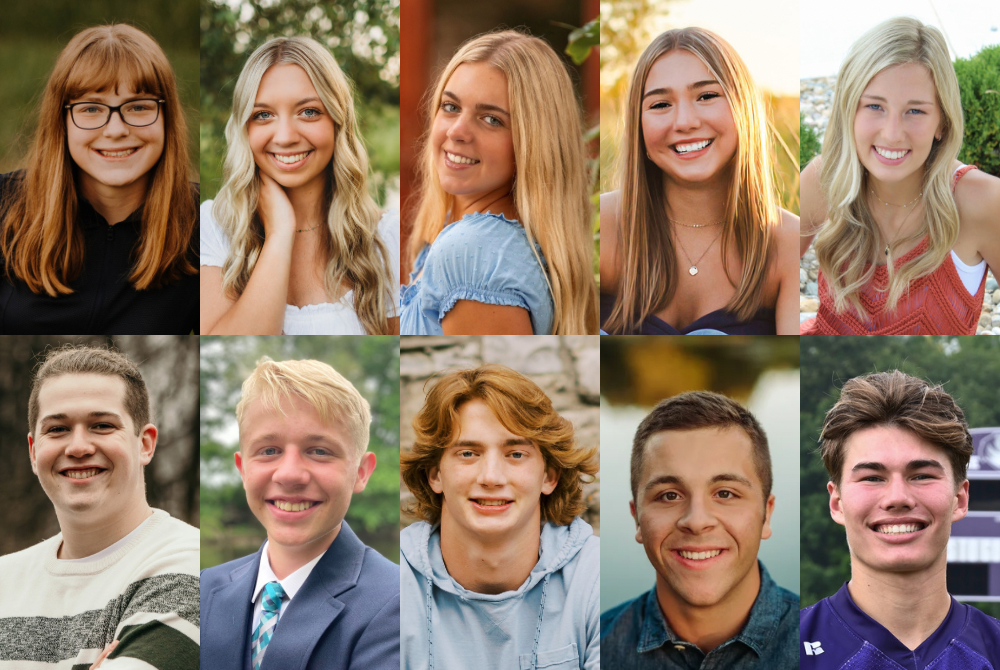
The Michigan High School Athletic Association has selected 10 student-athletes from Class C and D member schools to receive scholarships through the MHSAA/Farm Bureau Insurance Scholar-Athlete Award program.
 Farm Bureau Insurance, in its 35th year of sponsoring the award, will give $2,000 college scholarships to 32 individuals who represent their member schools in at least one sport in which the Association sponsors a postseason tournament. The first 30 scholarships are awarded proportionately by school classification and the number of student-athletes involved in those classes; also, there are two at-large honorees who can come from any classification.
Students applying for the Scholar-Athlete Award must be carrying at least a 3.5 (on a 4.0 scale) grade-point average and have previously won a letter in a varsity sport in which the Michigan High School Athletic Association sponsors a postseason tournament. Other requirements for the applicants were to show active participation in other school and community activities and produce an essay on the importance of sportsmanship in educational athletics.
The 32 scholarship recipients will be recognized March 16 during the MHSAA Boys Basketball Finals at the Breslin Student Events Center in East Lansing.
The Class C Scholar-Athlete Award honorees are Sara Dammann, New Lothrop; Kylie Ott, Bridgman; Brooke Spitzley, Pewamo-Westphalia; Tristan B. Harbaugh, Gobles; Benjamin March, St. Louis; and Ryin Ruddy, Ottawa Lake Whiteford.
The Class D Scholar-Athlete Award recipients are Mallory Lowe, Leland; Alivia Salenbien, Britton Deerfield; Ridley Fast, Hillsdale Academy; and Ben McCaw, Lawrence.
Overviews of the scholarship recipients of the Class C Scholar-Athlete Award follow. A quote from each recipient's essay also is included:
 Sara Dammann, New Lothrop
Ran four seasons of cross country and will play her fourth season of varsity softball this spring. Raced at the MHSAA Lower Peninsula Cross Country Finals this past fall and earned all-state honorable mention in softball as a junior. Named National Merit Scholarship semifinalist and earned College Board National Rural and Small Town Award. Participated in Shiawassee Scholars Class of 2024 program throughout high school, and is participating in second year of National Honor Society. Has participated in FFA (Future Farmers of America) throughout high school as well, earning state championships for prepared public speaking and parliamentary procedure and serving as her school chapter’s vice president and also region’s vice president. Participating in third year of quiz bowl and has served as captain multiple years. Served two years on student council and as a youth sports umpire throughout high school, and also participates in church youth group and serves as lector. Is undecided where she will attend college but intends to study something in a business-related field.
Essay Quote: “This lesson on teamwork, learned through educational athletics, is also imperative in life. Sure, individual successes are important, but to make the positive impact the world needs, we … need to work together to use our individual strengths to build a better tomorrow. We need to support one another's talents and focus on overcoming challenges together, as a team.”
 Kylie Ott, Bridgman
Played four seasons of varsity volleyball, is playing her second of varsity basketball and will compete in her fourth of track & field this spring. Earned all-conference recognition in track four times and also academic all-state in that sport. Received all-conference honorable mention in volleyball. Served as captain of volleyball and basketball teams. Participating in fourth year of student senate and class advisory, and has served as senate and class president. Participating in second year of National Honor Society and has served as vice president of her chapter, and fourth year of key club and has served president of that organization as well. Participating in fourth year of DECA, and has served as secretary. Will attend Purdue University and study biomedical engineering.
Essay Quote: At first sight of the word ‘sportsmanship,’ you may visualize the act of helping another player up after a fall or encouraging teammates after mistakes. However, true sportsmanship isn’t limited by one public gesture, but rather, a consistent pursuit of little things even when no one is watching. It is a moral behavior that is learned and taught by example and comes not by desire for appraisal but by an adamant passion for the game.”
 Brooke Spitzley, Pewamo-Westphalia
Played two seasons of varsity golf, will play third of varsity softball in the spring, and also played three seasons of varsity basketball. Qualified for MHSAA Finals in golf and earned all-area honors multiple seasons in softball. Earned academic all-state honors in golf and basketball. Served as captain of softball and golf teams, and helped found the school’s girls golf program. Participating in second year of National Honor Society, and as chapter president, and serving in first year on student council and as treasurer. Serving as co-editor of yearbook in second year on staff, and as social media manager for multiple student groups. Participating in third years of Student Voice and PLANK student support program, and first as part of P-W Students Take Charge. Will attend University of South Florida and study medical biology.
Essay Quote: “It is hard for athletes to realize that there is more to life than success in a sport; sportsmanship often puts this into perspective. Helping an opponent off the ground, shaking hands, even a meaningful “good job” allows an athlete to take a step back from the competitive nature they are taught and realize the big picture … that there is more to life than the stat book that one’s self-worth is derived from.”
 Tristan B. Harbaugh, Gobles
Played three seasons of varsity football, is playing his third of varsity basketball and will play his fourth of varsity baseball this spring. Earned all-league in football and basketball and academic all-state in football and baseball, and was named a Michigan High School Football Coaches Association scholar-athlete. Served as captain of all three high school teams. Participating in third year of National Honor Society and fourth on student leadership team, and playing third year in school marching/concert/jazz band. Serving as first chair for percussion and is a three-time band section leader. Served as youth sports volunteer throughout high school and tutor the last two years. Will attend University of Michigan and study biomedical engineering.
Essay Quote: “… This singular experience opened my eyes to the true meaning of sportsmanship, and how impactful sports could be when the accomplishments of character are discussed, and when sportsmanship is about building people up, teammates, opponents, and even people in the stands who see something special taking place on the field. The values that high school sports teach and the experiences they provide, like teamwork, leadership, and work ethic, can bring out the best in athletes.”
 Ben March, St. Louis
Ran four seasons of cross country, is competing in his fourth of varsity wrestling and will compete in his fourth of track & field this spring. Earned all-state all four seasons and twice won Regional championships in cross country, helping that team to Lower Peninsula Division 3 Finals championships in 2020 and 2021. Earned all-league honorable mention twice and won a District title in wrestling, helping that team to two Regional championships, and earned multiple league and regional honors and made all-state as part of a relay in track. Earned academic all-state in cross country and track and has served as captain of cross country and wrestling teams multiple seasons. Participating in third year of Business Professionals of America, and has served as secretary, and is participating in second year of Rotary Interact and has served as treasurer. Earned Rotary Youth Leadership Award and placed third in region for BPA. Will attend Lansing Community College and study business.
Essay Quote: “While the accomplishments of the student-athletes who earned these trophies have long since been forgotten, the virtues of sportsmanship like fairness, integrity, courage, persistence, responsibility, and respect that were gained from participating in high school athletics have been carried with them into adulthood. It gave them the tools needed to positively impact their families and coworkers long after their high school athletic careers were done.”
 Ryin Ruddy, Ottawa Lake Whiteford
Played four seasons of varsity football, is playing his third of varsity basketball, will play his fourth of varsity baseball in the spring and compete in second of track & field as well. Earned all-state in football the last two seasons and helped Whiteford to 2022 Division 8 title. Earned all-state in track in four events. Earned academic all-state in football and track also league scholar athlete honors in all four sports, and was named National Football Foundation scholar athlete. Served as football team captain. Serving fourth year on student council and participating in second year of National Honor Society. Has participated throughout high school in FFA (Future Farmers of America) and Compelled Youth, and also will participate in spring musical for fourth time. Will attend Hillsdale College and study biochemistry.
Essay Quote: “Sportsmanship is about exercising self-control. This includes curbing emotions, controlling one’s tongue, and keeping negative body language in check. Sportsmanship is obviously about saying ‘good game,’ but it is also about respecting yourself, regimenting your life, and having the self-discipline to put yourself into a position to succeed in everything you do. Even when a loss is inevitable, great sportsmanship is about being genuinely happy when someone else succeeds, looking a competitor in the eye and congratulating them on a job well done.”
Other Class C girls finalists for the Scholar-Athlete Award were Mikaela Ann Boyle, Bad Axe; Allison Bowles, Clinton; Jaida Schulte, Elk Rapids; Lauren Borsenik, Hemlock; Mariah Thompson, Houghton Lake; Lola Korpi, Ishpeming; Alexis Ewing, Jonesville; Adilyn Anne Ruggles, Marlette; and Claire Neumann, Saginaw Valley Lutheran.
Other Class C boys finalists for the Scholar-Athlete Award were Carter Upper, Alcona; Payton Butkovich, Beal City; Jamisen Latham, Beal City; Niko Burgoon, Iron Mountain; Kannon Duffing, Manchester; Brad H. McNeill, Montrose; Jack Lantz, New Buffalo; Julian Ahluwalia, Traverse City St. Francis; and Landen Muska, Vassar.
Overviews of the scholarship recipients of the Class D Scholar-Athlete Award follow. A quote from each recipient's essay also is included:
 Mallory Lowe, Leland
Played three seasons of varsity volleyball, is playing her third of varsity basketball and will play her fourth of varsity soccer this spring. Helped volleyball team to Division 4 runner-up finish this past fall, making the all-state third team and earning all-state academic recognition. Earned all-conference honorable mention in basketball and helped soccer team to Northwest Conference co-championship in 2023. Also part of academic all-state basketball teams the last two seasons. Serving as captain of all three teams as a senior and also was basketball captain as a junior. Earned AP Scholar recognition and completed International Baccalaureate Middle Years Programme. Carries a 3.99 grade-point average and is participating in third years of National Honor Society and National Art Honor Society, including as president of school’s NAHS. Participating in fourth years of student council and Grand Traverse Regional Community Foundation Youth Advisory Council, with leadership positions in both. Served as volunteer volleyball and basketball coach throughout high school and mentor for student with Type 1 diabetes. Will attend University of Michigan but is undecided on her field of study.
Essay Quote: “We have learned valuable lessons including teamwork, effort, grace, dignity and fair play that will leave a lasting impression on our character, guiding us not only in athletics but also in life. This powerful connection reminds us that how we play and how we treat our fellow athletes matters so much more than the final score.”
 Alivia Salenbien, Britton Deerfield
Played three seasons of varsity volleyball, is playing her fourth of varsity basketball and will compete in her fourth of track & field this spring; also played on the boys varsity golf team as a junior. Earned all-county honorable mention for basketball as a junior and is a five-time Regional medalist in track & field. Earned scholar-athlete honors in multiple sports and served as captain for volleyball and basketball teams. Participating in third year of National Honor Society, serving as chapter president, and third year of student government serving as class vice president. Participated in American Legion Girls State and earned girls nation runner-up finish. Teaching church elementary catechism class for third year. Is undecided where she will attend college but intends to study early childhood education.
Essay Quote: “Balancing school, home life, and sports are difficult tasks. However, growing up in that scene, I thought that doing all these activities was the only way to a successful life. … But now, as a senior in high school looking back at my time at Britton Deerfield, I realize this could not be farther from the truth. Nobody judged whether I was good at the sports I played or not. Nobody judged whether I was at the top of the class or the bottom. Nobody judged how well I could balance my life. What people will remember about me when I leave high school is my sportsmanship.”
 Ridley Fast, Hillsdale Academy
Played four seasons of varsity soccer, is playing his third of varsity basketball and will play his fourth of varsity golf this spring; also competed in track & field as a freshman. Made all-state second team for soccer in the fall and helped team to four District championships. Earned all-area in basketball and helped that team to two league and two District titles, and made all-state first team in golf as a junior in helping that team to league and Regional titles. Earned all-region as Hillsdale Academy won 2021 Michigan Interscholastic Track Coaches Association team state championship. Earned academic all-state recognition in soccer and golf. Served as co-captain for soccer, basketball and golf. Participating in fourth years of student council, service club and drama club and second of National Honor Society, and is dually enrolled at Hillsdale College. Also participates in finance club and concert choir. Has served as student council vice president and league’s leadership conference representative. Will attend Trine University and study business and engineering.
Essay Quote: “I have played with my fair share of cheating opponents, but I am proud to say that I have never cheated, for I know I could not live with myself if I ever tried to do it. Cheating is caring more about results than the process, and the point of sports is to savor and endure the process and struggle. … Sportsmanship is the whole idea of competition itself; the concept of giving your best to see who comes out on top.”
 Ben McCaw, Lawrence
Played four seasons of varsity football, is playing his second of varsity basketball, will play his third of varsity baseball this spring and also will return for his third of track & field. Earned first-team all-league and academic all-state recognition in football this past fall, second team all-league and all-academic with his basketball team as a junior, and selected for the all-state second team in baseball last spring. Serving as varsity team captain for the second season for all three sports. Earned College Board National Rural and Small Town Award and dually enrolled at Kalamazoo Valley Community College. Serving as student council secretary after serving as class president three years, and participating in third years of National Honor Society and pep club. Volunteered throughout high school with local youth basketball, baseball and softball programs. Is undecided where he will attend college but intends to study marketing.
Essay Quote: “Sportsmanship is important; however, it cannot be forced – it must be chosen. It is encouraged by the MHSAA at every coin toss meeting between captains, but there are few rules that prevent poor sportsmanship. This is a good thing, sportsmanship should be a choice; otherwise, it does not properly demonstrate our character. Our sportsmanship reflects who we are: on the field, in the classroom, and in life.”
Other Class D girls finalists for the Scholar-Athlete Award were Makenzee Grimm, Battle Creek St. Philip; Alayna Salenbien, Britton Deerfield; Caroline Beggs, Clarkston Everest Collegiate; Rachel Case, Kimball New Life Christian; Bonnie Kiger, Marion; and Hazel Hysell, St. Joseph Our Lady of the Lake Catholic.
Other Class D boys finalists for the Scholar-Athlete Award were Samuel Wallace Lutz, Adrian Lenawee Christian; Jürgen Griswold, Ellsworth; Christian Besonen, Ewen-Trout Creek; Trenton Taratuta, Hillman; Nathan Mihills, Marcellus; and Clayton Shoup, Mason County Eastern.
The Class B scholarship award recipients will be announced Feb. 13, and the Class A honorees will be announced Feb. 20.
Farm Bureau Insurance of Michigan was founded in 1949 by Michigan farmers who wanted an insurance company that worked as hard as they did. Those values still guide the company today and are a big reason why it is known as Michigan’s Insurance Company, dedicated to protecting the farms, families, and businesses of this great state. Farm Bureau Insurance agents across Michigan provide a full range of insurance services — life, home, auto, farm, business, retirement, Lake Estate®, and more — protecting nearly 500,000 Michigan policyholders.
The MHSAA is a private, not-for-profit corporation of voluntary membership by more than 1,500 public and private senior high schools and junior high/middle schools which exists to develop common rules for athletic eligibility and competition. No government funds or tax dollars support the MHSAA, which was the first such association nationally to not accept membership dues or tournament entry fees from schools. Member schools which enforce these rules are permitted to participate in MHSAA tournaments, which attract more than 1.4 million spectators each year.