


Counting On Officials
August 26, 2014
In addition, a half dozen local officials associations have developed programs that regularly support their closest CMN facility. For example:
- The Metro Detroit Officials Association sponsors the Referees for Reading Program at Beaumont where monies raised help fund a pediatric ward book cart which is replenished annually with new titles for patients and parents to enjoy. The MDOA has sent its members to the pediatric unit to read to young patients. This year, the Eighth Annual MDOA Officials for Kids Golf Outing was held in Livonia, benefiting Beaumont Children’s Hospital and the reading program.
- The West Michigan Officials Association has included Officials for Kids in its annual community service initiatives for several years, assisting with a Helen DeVos Children’s Hospital event for visually impaired pediatric patients in Grand Rapids.
- The West Michigan Volleyball Officials Association has used the proceeds of an annual volleyball invitational it hosts to support Officials for Kids.
- Several associations, including the Capital Area Officials Association this spring, have sponsored a “Give-A-Game” event during the season where all officials on the same day contribute their game fees to Officials for Kids.
People can say what they want about sports officials. For my part, if my car breaks down anywhere in Michigan and I’m in need of quick assistance, I’ll check my officials directory. I know there will be an official nearby that I can count on.
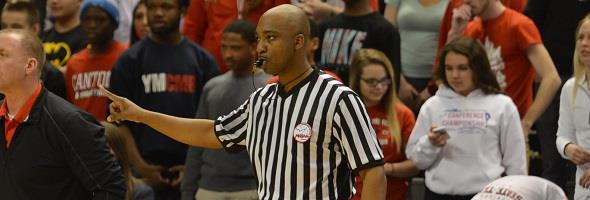
Be The Referee: Pregame Meeting
January 8, 2020
This week, MHSAA executive director Mark Uyl discusses this basketball season's addition of a pregame meeting including officials, coaches and players and the importance for all parties to attend.
Be The Referee is a series of short messages designed to help educate people on the rules of different sports, to help them better understand the art of officiating, and to recruit officials.
Below is this week's segment - Pregame Meeting - Listen
Beginning in the 2019-20 basketball season, a mandated pregame conference will take place near the scorer’s table with approximately 13 minutes remaining on the pregame warm-up clock.
This conference will be conducted by the officials and will include the head coach and captains of both teams. This is required for both genders and at all levels.
Because important details will be covered at this conference specific to the game being played, the head coach must be present. Assistant coaches may not be sent in place of the head coach. A head coach’s failure to attend this conference will cause him/her to lose his/her coaching box privileges during the game.
This meeting ensures that all parties receive the same information, that each coach receives the same attention in the pregame conversations and that there is consistency across the state in the timing of the meeting.
Past editions
Dec. 19: Alternating Possession - Listen
Dec. 12: Ratings - Listen
Dec. 5: Video Review Success - Listen
Nov. 28: More Injury Time - Listen
Nov. 21: Football Review - Listen
Nov. 14: Sideline Safety - Listen
Nov. 7: Officials Playlist - Listen
Oct. 31: Most Important Line - Listen
Oct. 24: Automatic 1st Downs - Listen
Oct. 17: Catch Momentum - Listen
Oct. 10: Golf Rules Changes - Listen
Oct. 3: No Tackle Box - Listen
Sept. 26: You Make the Overtime Call - Listen
Sept. 19: Swimming Finishing Touch - Listen
Sept. 12: Curbing Gamesmanship By Substitution - Listen
Sept. 5: Football Safety Rules Changes - Listen
Aug. 29: 40-Second Play Clock - Listen