


Commentary: Flag Football First
October 29, 2014
By Chris Ervin
St. Johns Athletic Director
Throughout my career I have always argued that most schools/youth programs start tackle football too early. Most are putting young children in full pads and letting them have full contact as early as third or fourth grade. At this stage in life I don’t believe that children are physically prepared for that type of contact. At this age many of these kids are too big to touch the ball on offense. What fun is that?
But I understand why it is, what it is. Every football program feels the need to do the same, if not more, than our competition. Every program feels it must do what our neighbors are doing to remain competitive. In today’s society everyone believes that our programs must start early, practice often and hit hard, to win championships.
In today’s society we have more science than ever before. We know more about concussions, knee injuries, heat stress, etc. If the NFL, college football, and high school football are making changes as a result of these concerns, why should we not look at current practices of youth football?
I believe that if there was a study conducted with high school football coaches, most would prefer more flag than tackle football for younger children. I believe that most coaches would buy into starting tackle football later in life. But I also believe that coaches will not change unless change occurs across the board, in every community, in every program, to ensure an equal playing field.
Legendary Fowler Football Coach Steve Spicer won championships. He experienced great success even though Fowler started tackle football in the ninth grade for many years. Coach Spicer was able to coach athletes his way. He taught them proper tackling techniques and all of the necessary football skills in merely four years. And for that his teams won championships and were feared as one of the greatest small school football programs in Michigan.
So why flag football instead of tackle football? My take on this is that we start tackle football too early in life. Kids figure out quickly that hitting or getting hit hurts. They do this for six or seven years and then arrive in our high schools. Many of these kids have had enough of getting hit at this point and then hang up their cleats for another activity, work, girlfriend, etc. Some stay with football and enjoy the next four years, but too many go in a different direction due to burn out.
I keep hearing a common theme in Michigan and I suspect this is the case throughout the entire country. Football participation numbers are plummeting! Is this a result of kids having so many opportunities these days, starting school after Labor Day (football practice takes away their August vacation time), or the almost daily coverage by the media about the impact of concussions? All of these are factors.
So what is the solution to saving tackle football? I view this as an easy answer; Flag Football! We need to rally the troops (ADs, Football Coaches Associations, youth football programs, legislatures, parents, children) to take a philosophical stance that supports flag football across the board until at least middle school, and then transition into tackle football for the following years. We all talk about this, but we need action! Maybe a social media campaign is how we get the ball rolling.
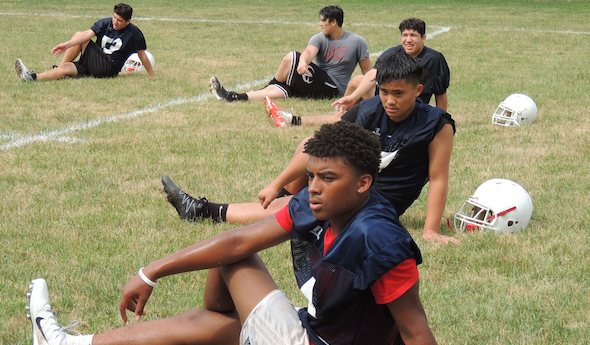
Flag football is fun for kids! Flag football provides an opportunity for kids to learn the necessary skills so that later in life they are physically able to handle tackle football. And maybe they will enjoy the football experience so much that they will stick around and be part of our high school program!
Ervin is in his 21st school year as an athletic director, with nine at St. Johns, eight at Carson City-Crystal and four at Webberville. He also coached boys basketball at Webberville for six seasons.
Add Rest Days to Your Workout Routine
June 2, 2020

Henry Ford Health System
Whether you're new to exercise or a seasoned enthusiast, it's tempting to adopt an all-go, no-quit attitude. This is especially common when you're are trying to achieve a fitness goal. Maybe you want to run a 5K, or maybe you have 10 pounds you want to shed before going on vacation.
"Whatever the driver, it's important to remember that scheduling time for rest and rejuvenation is a critical component of any workout regimen," says James Moeller, M.D., a sports medicine specialist at Henry Ford Health System.
Building in Rest Days
From high-intensity interval training (HIIT) and spin to barre and Zumba, popular workouts increasingly push exercisers to go faster, longer, stronger. This prolonged physical stress can lead to overuse injuries, such as stress fractures, muscle strains and joint pain. Excessive exercise can also lead to hormonal changes, disrupted sleep patterns, decreased immunity and mood swings.
“Working out, especially resistance training, breaks tissues down, causing microscopic damage,” Dr. Moeller says. "Rest days allow your muscles time to rebuild."
So how much rest do you really need? There isn't a one-size-fits-all prescription. Factors like your age, fitness level, the intensity of your workout and the amount of training you do weekly will impact the amount of recovery time you need. But there are some basic guidelines for rest days:
1. Go easy: Rest is a relative term. "It's not just sitting on the couch with an iced tea," says Dr. Moeller. "You may still be exercising on 'rest' days, but at a lower intensity." Maybe you go for a brisk walk or ride your bike to work. Take a yoga class or do some dynamic stretching. The key is to make sure you're not overworking the same body parts.
2. Get sufficient sleep: Sleep is a key component of muscle repair and rebuilding. During sleep, your body’s production of growth hormone increases. Not getting quality shuteye thwarts your body's production of growth hormone and can impact your performance.
3. Give overtaxed muscles a break: You don't need to skip the gym on specific days each week, but you do need to rotate which body parts you're working. The general rule is to give muscles 48 hours to recover after a workout. So it's a good idea to take two to three days off before working the same muscle groups again.
4. Stay hydrated: Make sure to restore lost fluids before, during and after a workout. Dehydration can lead to overheating, headaches and muscle fatigue, among other ailments. You don’t need a sports drink; water is best. "Sports drinks aren't required unless you're getting into very high intensity activity, or exercising for more than one hour at a time," Dr. Moeller says.
5. Pay attention to your body: A lot of people try to work out through pain and fatigue. If there's a heaviness to your movements, or if you feel like your muscles are not responding appropriately to the stress you're providing, take a time out. "It's really about learning to read your body's signals," says Dr. Moeller.
Health authorities and news headlines widely publicize the health benefits of exercise — and the consequences of inactivity. The American Heart Association recommends that adults get at least 150 minutes of moderate-intensity exercise per week, plus strength training two or three days per week. Less discussed are the negative effects of not allowing your body sufficient time to rest.
Getting sufficient rest between workouts is just as important as participating in regular exercise. "Both are part of the total process required to build strength, endurance and muscle mass," Dr. Moeller says.
Want to learn more? Henry Ford Health System sports medicine experts are treating the whole athlete, in a whole new way. From nutrition to neurology, and from injury prevention to treatment of sports-related conditions, they can give your athlete a unique game plan.
Visit henryford.com/sports or call (313) 972-4216 for an appointment within 24 business hours.