

Be the Referee: Soccer Shootouts
By
Sam Davis
MHSAA Director of Officials
October 18, 2022
Be The Referee is a series of short messages designed to help educate people on the rules of different sports, to help them better understand the art of officiating, and to recruit officials.
Below is this week's segment – Soccer Shootouts - Listen
It’s tournament time for boys soccer, and that means the return of the shootout. In the regular season, games can end in a tie. But postseason games need to have a winner. If a game is tied at the end of regulation and the 20-minute overtime period, we move to a shootout.
Each team gets five attempts from the penalty spot, alternating between teams. If after five attempts, the teams still remain tied, it moves to one kick for each team until the tie is broken.
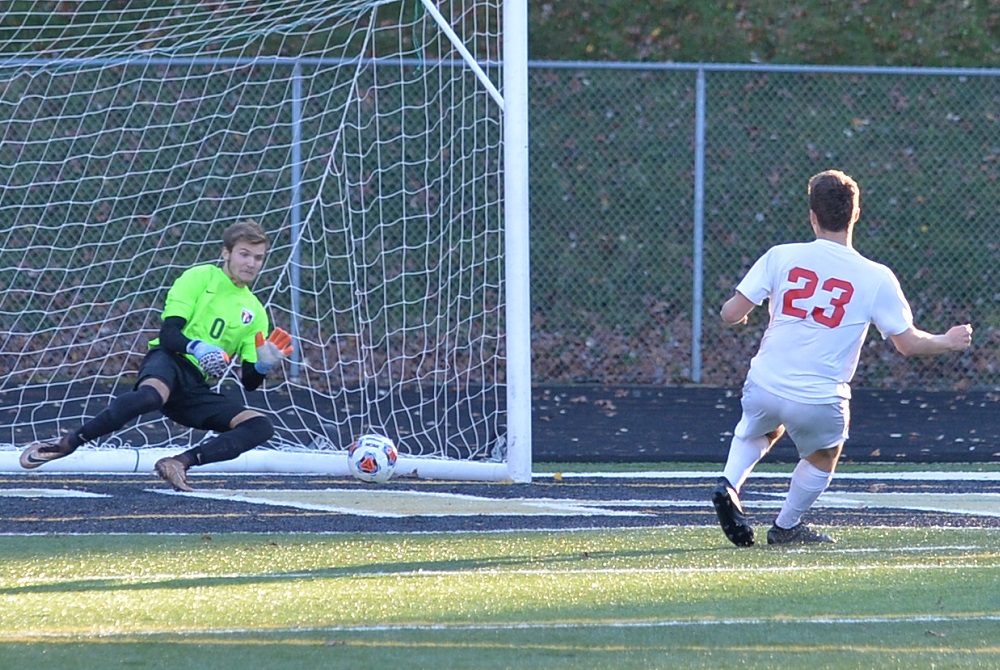
Now what happens when a kick is stopped by the keeper but has enough spin on it to roll back across the goal line?
That’s a goal. A shootout attempt isn’t complete until the ball stops moving, goes out of play or the referee stops play. Just because a goalie initially stops an attempt does not mean the play is over.
Previous Editions:
Oct. 11: Safety in End Zone - Listen
Oct. 4: Football Overtime Penalty - Listen
Sept. 27: Kickoff Goal - Listen
Sept. 20: Soccer Timing - Listen
Sept. 13: Volleyball Replays - Listen
Sept. 6: Switching Sides - Listen
Aug. 30: Play Clock - Listen
Aug. 23: Intentional Grounding Change - Listen
Nearly 1,000 Officials Converge in Grand Rapids for Officiate Michigan Day
By
Geoff Kimmerly
MHSAA.com senior editor
August 5, 2026
GRAND RAPIDS – Nearly 1,000 MHSAA-registered officials – and some of the biggest names in officiating nationwide – attended Officiate Michigan Day on July 25 at DeVos Place.
Attendees enjoyed opportunities to hear football rules analyst and longtime official Mike Pereira and World Cup and Olympic soccer official Kari Seitz during the opening and closing addresses, respectively. They also took part in training sessions throughout the day including four that were sport-specific, with clinicians including several of the state’s highest-regarded officials at the high school level and some of the best-known at the collegiate and professional levels nationwide who grew up or reside in our state.
Above are highlights from the event and insights from several accomplished officials. Click for photos from throughout the day, from Adam Sheehan.
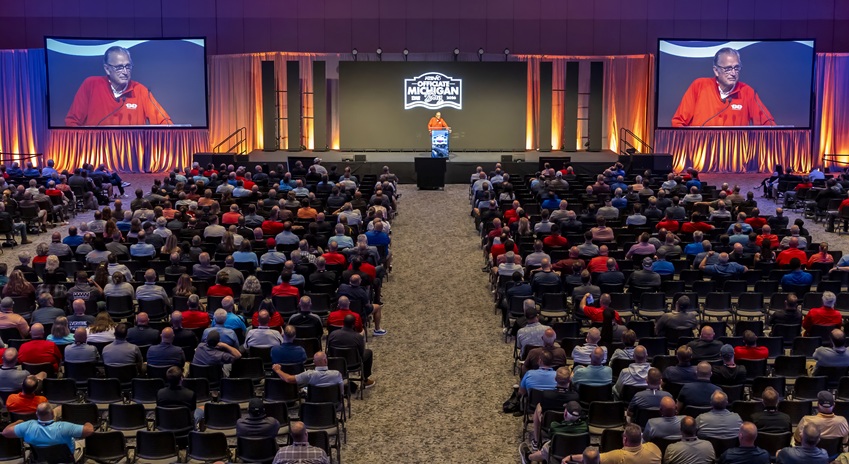
PHOTO Football rules analyst Mike Pereira speaks during the opening address at Officiate Michigan Day. (Photo by Adam Sheehan.)