


Be the Referee: Golf Rules Changes
October 10, 2019
This week, MHSAA officials coordinator Sam Davis explains new rules in golf for 2019-2020, including those pertaining to the use of cell phones during play.
Be The Referee is a series of short messages designed to help educate people on the rules of different sports, to help them better understand the art of officiating, and to recruit officials.
Below is this week's segment - Golf Rules Changes - Listen
Even though golf rules are mostly on the integrity of the players, there are several MHSAA-enacted changes that take effect this year.
One allows for the use of cell phones to call a coach or meet administrator for health and safety issues, the inputting of live scores, to contact a rules official with questions and to use as a distance-measuring device.
Dedicated distance finder devices will also be allowed for use in MHSAA Tournament play.
Another new local rule caps the maximum score per hole at 12 strokes in tournament activity.
Past editions
Oct. 3: No Tackle Box - Listen
Sept. 26: You Make the Overtime Call - Listen
Sept. 19: Swimming Finishing Touch - Listen
Sept. 12: Curbing Gamesmanship By Substitution - Listen
Sept. 5: Football Safety Rules Changes - Listen
Aug. 29: 40-Second Play Clock - Listen
Be the Referee: Missing the Base
By
Sam Davis
MHSAA Director of Officials
June 13, 2023
Be The Referee is a series of short messages designed to help educate people on the rules of different sports, to help them better understand the art of officiating, and to recruit officials.
Below is this week's segment – Missing the Base - Listen
We’re on the baseball diamond today for a “You Make the Call.”
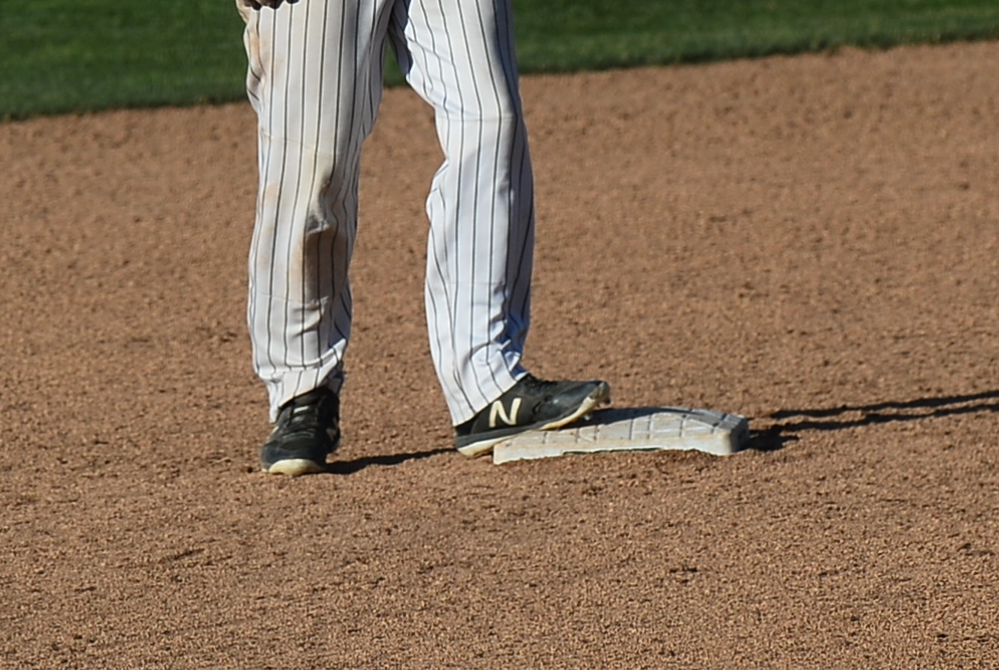
Here’s the situation: Runners are on the corners with two outs. The batter hits a long home run. The runner on first base misses second base – and the infraction is properly appealed by the defense.
How many runs score on this play?
If you said none, you got it right. Even if the runner on third crossed home plate before the other runner missed second, no runs count. A run is not scored if the preceding runner is declared out upon appeal for failure to touch one of the bases or if they left too soon on a caught fly ball.
A potential three-run homer is now no runs and the end of the inning.
Previous Editions:
June 6: Softball Interference - Listen
May 30: Officials Registration - Listen
May 23: Soccer Offsides or Goal? - Listen
May 16: Track & Field Exchange Zones - Listen
May 9: Girls Lacrosse Self-Start - Listen
May 2: Baseball/Softball Overthrow - Listen
April 25: Fifth-Quarter/Third-Half Rule - Listen
April 18: Soccer Referee in Play? - Listen
April 11: Softball Strikeout - Listen
March 14: Basketball Instant Replay - Listen
March 7: Hockey Overtime - Listen
Feb. 28: Baker Bowling - Listen
Feb. 21: Ski Finish - Listen
Feb. 14: Swimming Touchpads - Listen
Feb. 7: In or Out-of-Bounds in Wrestling - Listen
Jan. 31: Over the Back - Listen
Jan. 24: Competitive Cheer Judges - Listen
Jan. 17: More Lines - Listen
Jan. 10: On the Line - Listen
Jan. 3: Basketball Measurements - Listen
Dec. 13: Pregame Dunks - Listen
Dec. 6: Gymnastics Judges - Listen
Nov. 22: Football Finals Replay - Listen
Nov. 15: Back Row Illegal Blocker - Listen
Nov. 8: Swim Turn Judges - Listen
Nov. 1: Soccer Referee Jersey Colors - Listen
Oct. 25: Cross Country Tie-Breaker - Listen
Oct. 18: Soccer Shootouts - Listen
Oct. 11: Safety in End Zone - Listen
Oct. 4: Football Overtime Penalty - Listen
Sept. 27: Kickoff Goal - Listen
Sept. 20: Soccer Timing - Listen
Sept. 13: Volleyball Replays - Listen
Sept. 6: Switching Sides - Listen
Aug. 30: Play Clock - Listen
Aug. 23: Intentional Grounding Change - Listen
PHOTO by Gary Shook.