

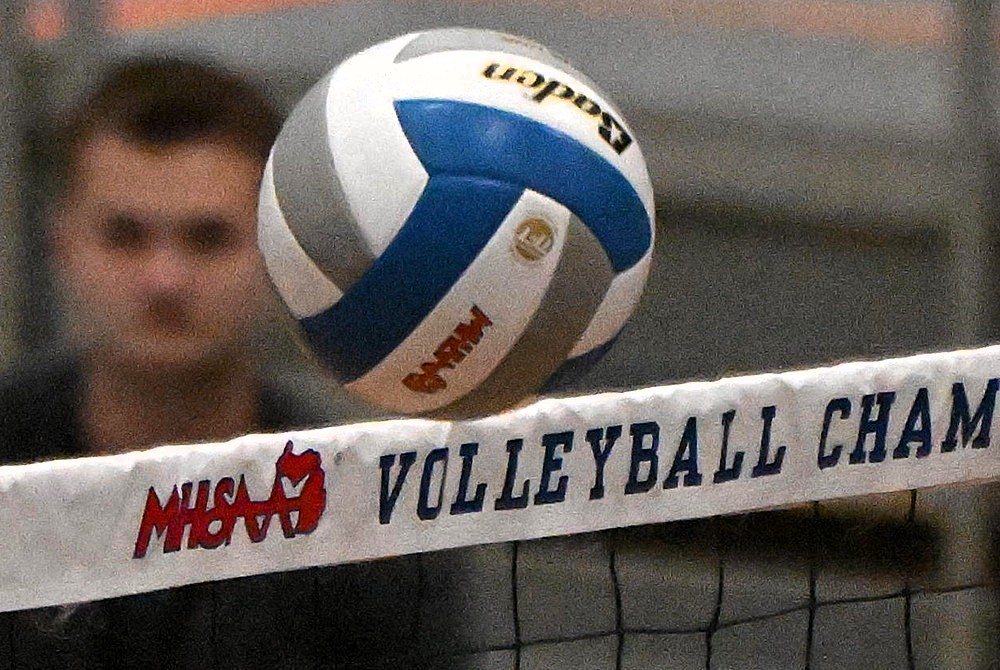
Be the Referee: Libero Ejected
By
Paige Winne
MHSAA Director of Brand Management
September 8, 2026
Be The Referee is a series of short messages designed to help educate people on the rules of different sports, to help them better understand the art of officiating, and to recruit officials.
Below is this week's segment – Libero Ejected - Listen
We’re on the volleyball court today, where the home team only had one libero listed.
In the middle of the first set, that libero is disqualified for making vulgar comments to the first referee.
Can the home team now designate a new libero? Or do they play without a libero for the rest of the match? Or for just the rest of that set before picking a new libero?
If you said they must play the rest of the set without a libero and then can designate a new one before the start of the second set, you are correct.
Remember, a libero is a back-row defensive specialist who focuses on passing and digging. They can’t attack the ball above the net or play on the front row – but can substitute in and out freely for back-row players without counting against official substitution limits.
Previous 2026-27 editions
Sept. 1: Soccer Foul After Shot on Goal - Listen
Aug. 25: Fumble Out of Bounds - Listen
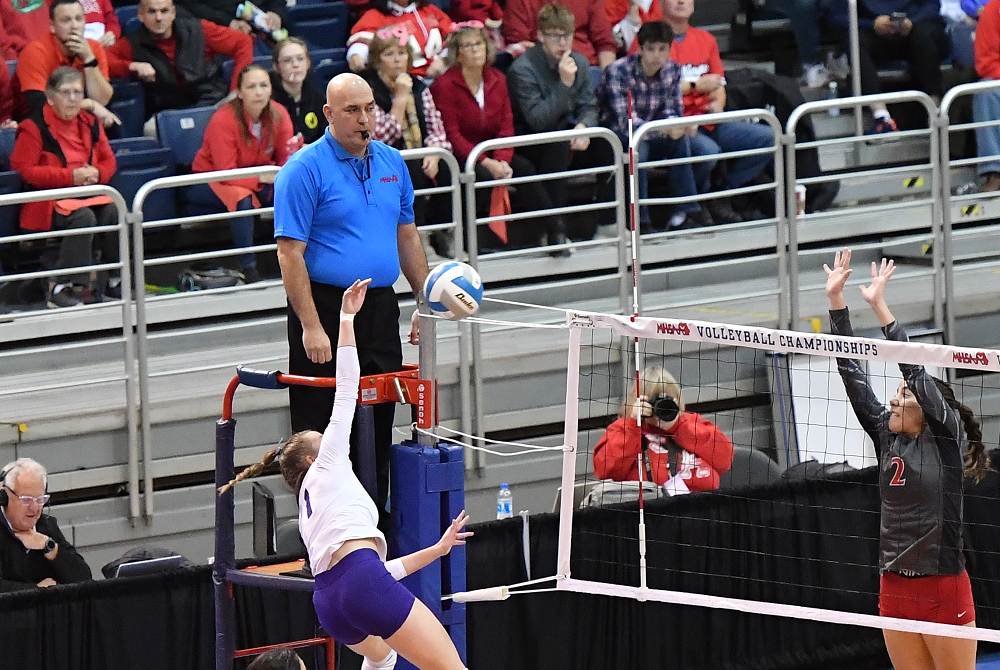
Be the Referee: Registration Process
By
Sam Davis
MHSAA Director of Officials
September 26, 2023
Be The Referee is a series of short messages designed to help educate people on the rules of different sports, to help them better understand the art of officiating, and to recruit officials.
Below is this week's segment – Registration Process - Listen
We talk a lot about the need for registered officials. But how do you sign up? What does it take to become a referee, umpire, or judge?
The steps are simple. Go to MHSAA.com to the “Officials” tab and identify the sport or sports you are interested in. Next, complete the MHSAA Principals of Officiating and the Officials Guidebook Exams.
The Officials Guidebook covers basic elements and procedures for becoming a sports official. This first step of the process covers playing rules, ejection protocols, game assignments, and payment of game fees.
Once you pass the exams, it’s time to connect with a locally-approved officials association. The local associations are the ones that provide the training – whether it’s on the court, on the field, on the mats, or video training – to get that person completely immersed in the rules, mechanics, and coverages of what it takes to become a good official.
Previous Editions
Sept. 20: Animal Interference - Listen
Sept. 13: Feet Rule on Soccer Throw-In - Listen
Sept. 6: Volleyball Jewelry - Listen
Aug. 30: Football Rules Similarities - Listen
Aug. 23: Football Rules Differences - Listen
(PHOTO by Gary Shook.)