


Did you see that?
May 29, 2012
The last full week of May usually represents the calm before the storm, at least relatively speaking, that is the MHSAA Spring Finals.
Although the weekend is generally one of the calmest of the season, the week was again filled with local championships, plus the start of lacrosse Regional play.
Here’s our look at some of the highlights from May 21-26:
Track and Field
All Tech in the PSL: Detroit Cass Tech’s girls and boys teams swept the Detroit Public School League championships Thursday, finishing ahead of Renaissance atop the standings in both meets. The girls are the reigning MHSAA Division 1 runner-up and led by senior Kyra Jefferson, who will run at the University of Florida next season. The boys team has hints of the team that won the MHSAA Division 1 football championship in the fall – this team also is coached by Thomas Wilcher, and quarterback Jayru Campbell was among those who shined. (Detroit News)
Still Hornets, with a side of Cougars: In a matchup of two of the best in Michigan from Divisions 2 and 3, the Williamston boys and girls again won Capital Area Activities Conference White championship meet titles -- with Lansing Catholic's boys then splitting the overall league title with Williamston. The Hornets boys are ranked No. 3 in Division 2 and the Cougars are No. 1 in Division 3. Williamston and Lansing Catholic's girls are both ranked No. 5 in their respective divisions. (Lansing State Journal)
Soccer
Okemos claims Gold: The Lansing area boasts top-four ranked teams in all four divisions, and two met for the CAAC Gold Cup championship Thursday – with Division 1 No. 2 Okemos downing Division 2 No. 4 DeWitt 3-1. The CAAC Cup pulls teams from each of its four divisions into a series of tournaments, based on league standings, with the top teams from each division playing for the Golf Cup. To advance to the championship game, DeWitt downed Division 3 No. 3 Williamston in a semifinal, while Okemos beat Division 2 honorable mention Mason. (Lansing State Journal)
Lacrosse
Final countdown: Girls and boys teams statewide began Regionals, with those finishing up this weekend. Of the few early games, the most significant might’ve been in Division 2 girls, where No. 9 Farmington Hills Mercy defeated Ann Arbor Skyline 18-6. (Observor & Eccentric)
Golf
Best by the Bay: For the first time in 18 seasons, Essexville-Garber won the Bay County Invitational, which matches teams from the Bay City area including larger Bay City Central and Western. (Bay City Times)
Fennville
Wes remembered: When Fennville’s Class of 2012 walked Thursday, Wes Leonard was with them. This year’s commencement included a remembrance of the standout, who died on March 3, 2011, as a junior, of cardiac arrest moments after hitting the game-winning shot for his basketball team. Classmate and close friend Selena Beltran-Pena walked with an additional cap, for Leonard, with accompanied by Leonard’s younger brother Mitchell. (Holland Sentinel)
Editor's note: Did we miss something? Comment below and tell us about it. Is there an event coming up that we should make sure to note? Comment or e-mail [email protected].
How To Be Proactive About Concussions In Student Athletes
December 5, 2023
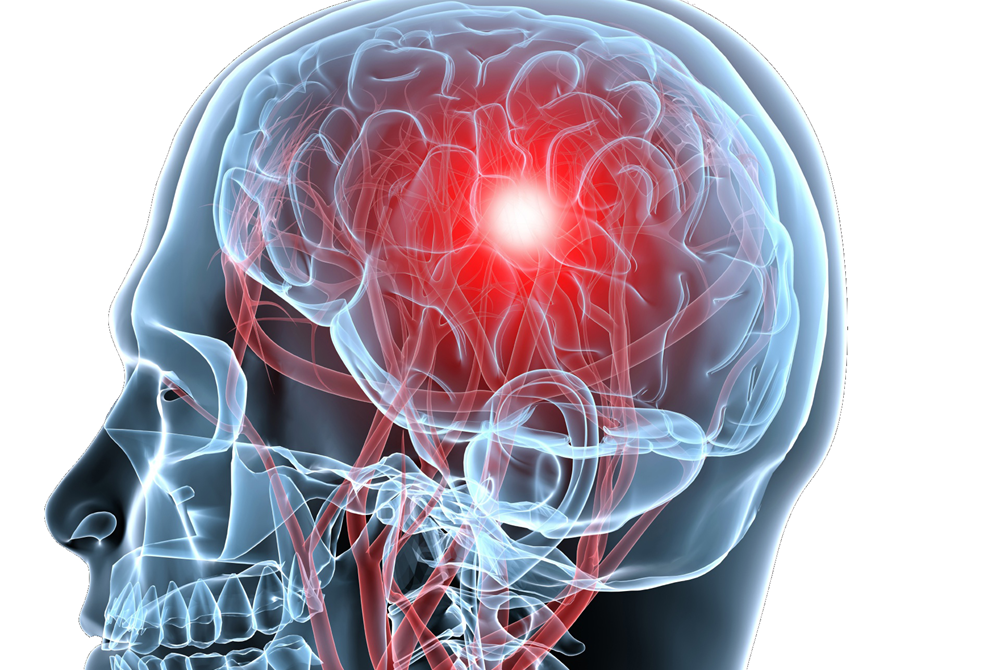
Most people have seen the headlines about concussions as a common sports injury—and it's natural that parents of athletes may have concerns. A large misconception in sports is that previous concussions are to be blamed for ongoing headaches, blurred vision and memory loss, among other symptoms.
 “It’s really important to think about concussions in tandem with overall brain health,” says Jake Carpenter-Thompson, M.D., Ph.D., a board-certified neurologist at the Henry Ford Kutcher Clinic for Concussion and Sports Neurology. “Concussions can be concerning, but they shouldn’t be looked at in a vacuum. It is important to understand an athlete’s overall brain health to help manage recovery after any impact.”
One way to do that is to consult with your child’s doctor or a sports neurologist for an annual evaluation. A sports neurologist focuses on managing sports-related brain and nervous system injuries and conditions in athletes, such as concussions, post-concussion syndrome, peripheral nerve injuries, migraines, epilepsy and more.
“Having an annual evaluation of your athlete’s brain health when they are at their baseline – and uninjured – can help diagnose and treat issues when they arise,” says Dr. Carpenter-Thompson.
A qualified healthcare professional can use the baseline evaluation results as an important comparison tool if an athlete develops a suspected concussion.
Best Practices For Keeping Athletes Safe
Dr. Carpenter-Thompson shares these tips to ensure you keep front of mind your child’s brain health and safety, not just their athletic performance:
- Get a brain health baseline test. This should include a personal and family neurological history, with a focus on current issues. It is important to note any neurological conditions that may influence concussion recovery, such as ADHD, depression, anxiety or migraine headaches.
- Encourage your children to listen to their body. There are risks to playing any sport. Encourage your child to listen to and be honest about how they’re feeling. It’s the best way to prevent and treat injuries.
- In the event of an injury, look for the signs. Within 24 hours after an injury, an athlete should be evaluated if they are experiencing: headaches, fatigue, dizziness and nausea, changes in sleep habits, trouble with memory, confusion, irritability and anxiety, or light sensitivity.
- Know that brain injuries don’t just occur with a blow to the head. They can also occur from falls, car accidents or even whiplash. If your child is experiencing any symptoms, consult your physician.
- Remember that brain health is more than just concussions. If your athlete is complaining of chronic headaches, migraines, dizziness, memory or mood issues, there may be an underlying issue.
“There is no magic number of concussions a brain can sustain. Each person is different,” says Dr. Carpenter-Thompson. “The severity of the impact and recovery time can vary greatly for numerous reasons. By getting a brain health assessment before the injury, we can provide more targeted care to improve an athlete's overall clinical course.”
To find a sports medicine doctor or athletic trainer at Henry Ford, visit henryford.com/athletes.