

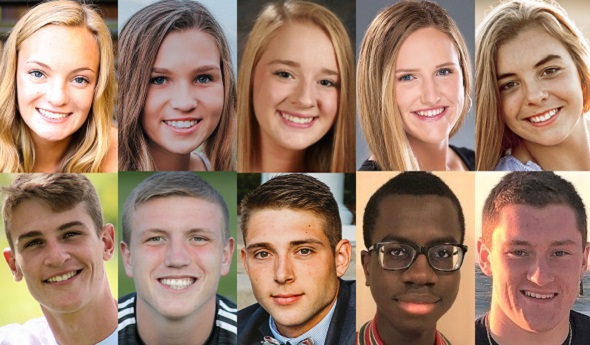
Scholars & Athletes 2020: Class C & D
By
Geoff Kimmerly
MHSAA.com senior editor
February 3, 2020
By Geoff Kimmerly
Second Half editor
The Michigan High School Athletic Association has selected 10 student-athletes from Class C and D member schools to receive scholarships through the MHSAA/Farm Bureau Insurance Scholar-Athlete Award program.
 Farm Bureau Insurance, in its 31st year of sponsoring the award, will give $1,000 college scholarships to 32 individuals who represent their member schools in at least one sport in which the Association sponsors a postseason tournament. The first 30 scholarships are awarded proportionately by school classification and the number of student-athletes involved in those classes; also, there are two at-large honorees who can come from any classification.
Students applying for the Scholar-Athlete Award must be carrying at least a 3.5 (on a 4.0 scale) grade-point average and have previously won a letter in a varsity sport in which the Michigan High School Athletic Association sponsors a postseason tournament. Other requirements for the applicants were to show active participation in other school and community activities and produce an essay on the importance of sportsmanship in educational athletics.
Each of the scholarship recipients will be honored at a halftime ceremony during the Division 3 Boys Basketball Final, March 28, at the Breslin Student Events Center in East Lansing. Commemorative medallions will be given to the finalists in recognition of their accomplishments.
The Class C Scholar-Athlete Award honorees are: Madelyn Koski, Ishpeming Westwood; Alanna Mayer, Bronson; Kayla Moore, Madison Heights Bishop Foley Catholic; Brendan Dafoe, Petersburg Summerfield; Noah Dusseau, Petersburg Summerfield; and Hutson Hohlbein, Adrian Lenawee Christian.
The Class D Scholar-Athlete Award recipients are: Emma Springer, Three Oaks River Valley; Samantha Teachworth, Portland St. Patrick; Lesley Armah, Mount Pleasant Sacred Heart; and James Storey, Pickford.
Overviews of the scholarship recipients of the Class C Scholar-Athlete Award follow. A quote from each recipient's essay also is included:
 Madelyn Koski, Ishpeming Westwood
Played four seasons of varsity tennis, is playing her fourth of varsity basketball and will play her fourth of varsity softball this spring; also participated in track & field as a junior. Earned all-state honors in basketball while helping her team to last season’s Division 3 Quarterfinals, and was named Upper Peninsula Division 2 Player of the Year in the fall in helping the tennis team to its fourth straight UPD2 championship. Also earned all-league honors in softball and has served as captain in basketball and tennis multiple seasons. Participating in second year of National Honor Society and third of Business Professionals of America, winning a Regional award for BPA as a junior and reaching the national competition as a sophomore. Serving as vice president of BPA chapter after previously serving as treasurer. Served as youth coach or clinician for basketball, softball and tennis throughout high school. Will attend Ferris State University and study pre-pharmacy.
Essay Quote: “No athlete should have to listen to belittling comments made by spectators. This makes me appreciate those with good sportsmanship even more than I did in the past. Seeing other schools with good sportsmanship reinforced my sportsmanship. I don’t want other athletes to feel the way I did when I was a freshman.”
 Alanna Mayer, Bronson
Played three seasons of varsity volleyball, is playing her third of varsity basketball and will participate in her fourth of varsity track & field this spring. Earned all-state recognition in helping volleyball team to two Class C/Division 3 Finals championships, earned all-area honors in basketball and qualified for the MHSAA Finals in track. Also contributed to multiple academic all-state team awards in volleyball. Served as captain of all three teams. Participating in second year of National Honor Society and serving as chapter president, and also serving fourth year as student council treasurer. Participated in 4-H and earned a number of “Best of Show” awards for crafts and livestock. Participated in various volunteer projects throughout high school. Finalizing college plans but intends to study business management.
Essay Quote: “Winning is important but showing good sportsmanship is even more important because it forms the basis on how student-athletes interact and treat other people. It teaches them to respect the players on their team as well as the players on the opposing teams. It teaches them to respect their coaches, and most importantly, the referees or officials involved in their games.”
 Kayla Moore, Madison Heights Bishop Foley Catholic
Played four seasons of varsity volleyball, is playing her fourth of varsity basketball and will played her fourth of varsity softball in the spring. Earned all-state in softball and all-league in volleyball and basketball, and helped both the volleyball and softball teams to multiple District championships. Served multiple seasons as captain of all three teams. Participating in second year of National Honor Society and serving as chapter president, and also serving as student council executive board president after previously serving as historian. Serving as executive board member for Catholic Athletes for Christ and prayer leader for Mission and Ministry Club’s Be the Difference Day committee. Founded “Hoops for Hope” charity basketball event to promote cancer awareness. Will attend Saginaw Valley State University and study physical therapy.
Essay Quote: “The most popular catch of the week or the buzzer-beating shot to win the game may be recognized, but it is the acts of positive sportsmanship that are remembered for ages. While I may forget a math formula or a vocab definition, I will never forget the impact that educational athletics has had on my life and the person it shaped me to be today.”
 Brendan Dafoe, Petersburg Summerfield
Playing third season of varsity basketball, played three of varsity football and will play fourth of varsity baseball in the spring; also participated in track & field as a junior. Earned all-state honors in baseball and all-region and all-league in basketball and football, and was named Monroe County Region “Athlete of the Year” as a junior by Monroe News. Helped baseball team to 2019 Division 4 Finals championship and served as captain of both basketball and football teams. Participating in fourth year of student council and serving as president, and also participating in second year of National Honor Society. Participating in multiple volunteer efforts serving youth and the elderly. Selected to attend numerous leadership conferences and earned a Hugh O’Brian Leadership Award. Will attend University of Toledo and study nursing.
Essay Quote: “Many younger kids look up to the actions I show on and off the field and court and they replicate those behaviors. I’m a fierce competitor, but my teammates will tell me to ‘quit being so nice!’ In fact, while on second base I picked up the ball that was overthrown by the catcher and was called out because of it. I haven’t lived that down, but I love how I have the opportunity as a student athlete to lead in a positive way.”
 Noah Dusseau, Petersburg Summerfield
Played two years of varsity football and ran three of cross country, playing second of varsity basketball and will participate in fourth of track & field in the spring; also played junior varsity baseball as a freshman. Helped basketball team to league title and track team to Michigan Interscholastic Track Coaches Association team state meet runner-up finish. Carries 4.0 grade-point average and has earned 11 academic all-state honors. Served as captain of track, cross country and junior varsity football teams. Participating in second years of National Honor Society, National Technical Honor Society and Future Farmers of America; serving as NHS, NTHS and Lenawee FFA chapter presidents. Participated in Lenawee TECH Center Student Leader Organization and American Legion Boys State, and has participated in Young Life for three years. Will attend University of Toledo and study pharmaceutical sciences.
Essay Quote: “There will be many parts of life that will be challenging for everyone. It can be something as simple as failing a math test to as serious as losing a loved one. These events will happen to everyone, and there is no way to avoid them. Sportsmanship teaches us to help those that are going through adversity, whether it be our teammates or opponents, to continue pushing.”
 Hutson Hohlbein, Adrian Lenawee Christian
Played four seasons of varsity football, playing fourth of varsity basketball and will play fourth of varsity baseball in the spring. Earned all-conference honors in football and all-county in football and basketball, and helped both of those teams to District titles. Served as captain for multiple seasons of both football and basketball teams and as part of player’s council for former. Selected as representative for Southern Central Athletic Association team-building retreat as sophomore. Carries grade-point average above 4.0 and participating in second year of National Honor Society, this year as treasurer. Also serving as student council vice president after previously serving two years as a representative and as class president as a freshman. Serving third year as class chaplain. Participated as youth basketball coach and continues to officiate multiple sports. Finalizing college plans but intends to study nursing as part of a pre-medical program.
Essay Quote: “If sportsmanship were to be put on the backburner, sports would not only lose their rule-locked organization, but it would also lose its special touch. Every athlete has a reason to play the game they love so much, but without a focus on sportsmanship, an athlete’s love for the game would soon fade while things like pride, cheating, and disrespect steal their joy.”
Other Class C girls finalists for the Scholar-Athlete Award were: Anna Laurenz, Breckenridge; Makayla Fletcher, Clinton; Lauren Schnicke, Kent City; Grace Tylutki, Monroe St. Mary Catholic Central; Isabella Santiago-Lindsay, North Muskegon; Ellie DuVall, Ottawa Lake Whiteford; Ellary Pachulski, Saranac; Allyson Kemp, Unionville-Sebewaing; and Olivia Bowman, White Cloud.
Other Class C boys finalists for the Scholar-Athlete Award were: Gabriel Seir, Ann Arbor Greenhills; Jared Gottschalk, Beal City; Kendall Anthes, Cass City; Sandyn Cuthrell, Cass City; Drew Markel, Cass City; Giovanni Basanese, Iron Mountain; Jack Pedlar, Lake City; Riley McKenna, Lakeview; John Hayhurst, North Muskegon.
Overviews of the scholarship recipients of the Class D Scholar-Athlete Award follow. A quote from each recipient's essay also is included:
 Emma Springer, Three Oaks River Valley
Played four varsity seasons of volleyball, playing fourth of basketball and will play her fourth of softball this spring; also ran cross country as a sophomore. Earned all-state honors in softball and all-league recognition in both volleyball and basketball, and was part of receiving team academic all-state recognition in basketball and softball. Helped softball team to league and District titles her first three seasons and has served as captain of all three teams three times. Has served or is serving as class president, National Honor Society chapter president, Varsity Club president, Interact Club founder and president, Spanish Club officer and vice president of student congress. Participated in various volunteer efforts over all four years of high school, and also in school’s peer-to-peer program as a junior. Will attend Calvin University and study kinesiology and Spanish with aspirations of obtaining a doctorate in physical therapy.
Essay Quote: “What the River Valley community learned in its time of grieving is that sportsmanship can be so much more than an interaction between two people, or even two teams. Sometimes sportsmanship is displayed by multiple teams and countless individuals over two years and comes from those you least expect.”
 Samantha Teachworth, Portland St. Patrick
Played four seasons of varsity volleyball, is playing her third of varsity basketball and will play her fourth of varsity softball in the spring. Earned all-league recognition in volleyball and softball and has captained all three of her varsity teams. Helped volleyball team to Regional championship and basketball team to District title. Participating in third year of National Honor Society and serving this year as president of the school’s Student Advisory Committee. Also has served as president of the Ionia Future Farmers of America chapter and multiple 4-H clubs, as a church alter server prefect and township election official. Received various FFA awards and was recipient of the FFA’s Washington Leadership Conference Scholarship. Will attend Aquinas College and study political science.
Essay Quote: “When it comes to organized sports, I feel sportsmanship is one of the first things that should be taught. It is an issue that makes me nervous for the future of sports. … I watched my brother’s third-grade basketball game where a parent was getting so upset about the calls, he would follow a 15-year-old referee on the court to yell at him. It becomes a matter of self-control. We have to realize that at the end of the day, it is a game.”
 Lesley Armah, Mount Pleasant Sacred Heart
Ran four seasons of varsity cross country and will run his fourth of varsity track this spring, and played junior varsity basketball as a sophomore. Participated on cross country teams that finished first and second at MHSAA Finals. Earned AP Scholar with Honor Award and a third place in the Mid-Michigan Regional Brain Bee competition. Has represented his class as secretary/treasurer and vice president on student senate, served as co-captain of the school quiz bowl team and delegation leader for Model United Nations. Earned all- conference recognition for both quiz bowl and Model UN, helping the former to a state championship. Founded and served as president of College Prep Club and also participates in Key Club, National Honor Society, Science Olympiad and robotics. Finalizing college plans but intends to study biology.
Essay Quote: “Unsurprisingly, gracefully leaping over thirty-nine inches of cold, hard metal while in a dead sprint is a difficult task to learn and one that I struggled with for quite some time. Fortunately, whenever I got critiqued for my mediocre form or smacked head-first into a hurdled, I had my trusty group of other hurdlers waiting with words of encouragement. … Despite my numerous, humiliating falls, I constantly received sportsmanly encouragement from teammates and even other competitors that made my bumpy transition into hurdling bearable.”
 James Storey, Pickford
Played four seasons of varsity football, is playing his fourth of varsity basketball and will play his fourth of varsity baseball and participate in his third season of track & field this spring. Earned all-state honors in football and all-conference in basketball and baseball, and led Pickford to the 8-player Division 2 championship this past fall. Served as team captain in all four sports. Carries 3.99 grade-point average while dually enrolled for nine college credits, and earned school academic excellence awards in multiple subjects. Served as school and class president during four years of student government, and is participating in second year of National Honor Society. Tutors in math and serves as church volunteer. Finalizing college plans but intends to pursue a pre-medical degree with aspirations of a career in dermatology.
Essay Quote: “Sportsmanship is the one aspect of the game that makes high school athletics memorable forever. While there are times that athletes get caught up in the heat of an intense game, these are the situations where it is most important to maintain a good attitude and good sportsmanship. There will always be people who act unsportsmanlike in these situations; however, this is where student-athletes need to be leaders and deal with the situation in a sportsmanlike manner.”
Other Class D girls finalists for the Scholar-Athlete Award were: Teegan Dawson, Bellaire; Josie Koenigsknecht, Fowler; Colleen McCarthy, Onekama; Emma Engler, Peck; Kaitlyn Bricker, Pellston; and Isabel Mossel, Plymouth Christian Academy.
Other Class D boys finalists for the Scholar-Athlete Award were: Tony Piggott, Fowler; Ramy Abueita, Genesee; Alex Sutten, Marion; Adam Paga, Petoskey St. Michael Academy; Bryce Opie, Suttons Bay; and Matthew Schmidt, Three Oaks River Valley.
The Class B scholarship award recipients will be announced Feb. 11, and the Class A honorees will be announced Feb. 18.
Farm Bureau Insurance of Michigan was founded in 1949 by Michigan farmers who wanted an insurance company that worked as hard as they did. Those values still guide the company today and are a big reason why it is known as Michigan’s Insurance Company, dedicated to protecting the farms, families, and businesses of this great state. Farm Bureau Insurance agents across Michigan provide a full range of insurance services—life, home, auto, farm, business, retirement, Lake Estate®, and more—protecting nearly 500,000 Michigan policyholders.
The MHSAA is a private, not-for-profit corporation of voluntary membership by more than 1,500 public and private senior high schools and junior high/middle schools which exists to develop common rules for athletic eligibility and competition. No government funds or tax dollars support the MHSAA, which was the first such association nationally to not accept membership dues or tournament entry fees from schools. Member schools which enforce these rules are permitted to participate in MHSAA tournaments, which attract more than 1.4 million spectators each year.

Rep Council Approves Phased-In Fall
July 29, 2020
By Geoff Kimmerly
Second Half editor
The Representative Council of the Michigan High School Athletic Association today approved the next steps in returning sports for member schools, adopting a plan to phase in competition for Fall sports in hopes of continuing to deter the spread of COVID-19.
The Council affirmed that lower-risk sports – cross country, Lower Peninsula girls golf, Lower Peninsula boys tennis and Upper Peninsula girls tennis, and Lower Peninsula girls swimming & diving – may begin practice on Aug. 12 and begin competition on their traditional start dates of Aug. 19 and 21.
However, moderate and high-risk sports – football, girls volleyball and boys soccer – may begin practice but not competition. Decisions about competition timelines for these three sports will be made by Aug. 20.
Practice for boys soccer and girls volleyball may begin on Aug. 12. Football will delay the start of practice with full player pads and equipment until Monday, Aug. 17. The week of Aug. 10 may include football practice sessions consisting of conditioning, physical training and skill work with no other player equipment except helmets. This week of acclimatization is similar to allowed summer football activities that have been ongoing for schools since June.
The Council – the MHSAA’s 19-member legislative body – also voted to cancel scrimmages in all Fall sports for this school year and approved limitations on numbers of teams that may compete together at regular-season tournaments, invitationals and other multi-team events. The Council believed eliminating scrimmages emphasized the importance of keeping teams from mixing before the first date of competition, and the regular-season limitations may lessen opportunities for viral spread while still allowing meets to be conducted.
As this remains a fluid situation, the MHSAA would release updated timelines for competition for football, girls volleyball and boys soccer by Aug. 20 dependent on how the spread of the virus is trending statewide. Plans remain reliant on sustained metrics measuring virus spread and/or progression by schools and regions across the state according to Governor Gretchen Whitmer’s MI Safe Start Plan. Currently two regions are in Phase 5, which allow for limited indoor activity, while the rest are in Phase 4 and unable to host indoor training, practice or competition.
The start of volleyball and swimming & diving practices are in part contingent on the reopening of indoor facilities. Those sports may begin their practices outdoors if not allowed to be indoors by Aug. 12.
“The Council, reflecting on the positive impact on their athletes this summer from taking part in offseason training, feels it’s of utmost importance to continue athletic activity moving forward,” MHSAA Executive Director Mark Uyl said. “If we take a month off, our students will find opportunities to compete through non-school entities that may not be as focused on safety. Our athletic directors and coaches can provide the safest-possible environment to return to sports, and this phased-in approach to competition will help schools continue building on progress already made.
“The Council chose to make these adjustments to help ensure our athletes have a safe regular season this fall. As we continue to solidify the regular season, we can then turn our attention to building a safe postseason for our athletes.”
The MHSAA also has posted sport-by-sport guidance documents outlining increased precautions designed to limit the viral spread, plus a four-page overview with precautions that apply generally for all sports and include coverage of the following topics:
- Protocol for reporting COVID-19 infections.
- Guidance on face coverings. Athletes participating on the field/court are not required to wear face coverings, but are allowed to do so. However, bench personnel must wear face coverings at all times.
- Transportation, use of locker rooms and facility cleaning.
Specific sport guidelines and the overview are available on the respective sport pages of the MHSAA Website. Recommendations on spectator attendance will follow before the start of competition; spectators will be limited in accordance with Governor Whitmer’s executive orders on large gatherings.
The Council on July 17 approved a return-to-activity plan for the 2020-21 school year retaining the traditional calendar of Fall, Winter and Spring sports, but allowing for the possibility that Fall sports forced to halt activity during the next four months may conclude later in the school year.
“The easy way out would be to postpone all activity to next spring, and we are not taking the easy way out. But we will make wise decisions based on medical guidance,” Uyl said. “We will make these difficult decisions quickly and appropriately. If we don’t play this fall, it won’t be because we didn’t make every effort to do so.”
The Representative Council is the legislative body of the MHSAA. All but five members are elected by member schools. Four members are appointed by the Council to facilitate representation of females and minorities, and the 19th position is occupied by the Superintendent of Public Instruction or designee.
The MHSAA is a private, not-for-profit corporation of voluntary membership by more than 1,500 public and private senior high schools and junior high/middle schools which exists to develop common rules for athletic eligibility and competition. No government funds or tax dollars support the MHSAA, which was the first such association nationally to not accept membership dues or tournament entry fees from schools. Member schools which enforce these rules are permitted to participate in MHSAA tournaments, which attract more than 1.4 million spectators each year.