


Be the Referee: Dive on the Floor
January 28, 2016
This week, MHSAA assistant director Mark Uyl explains the rule misunderstandings that occur when a basketball player dives on the floor for a loose ball.
Be The Referee is a series of short messages designed to help educate people on the rules of different sports, to help them better understand the art of officiating, and to recruit officials.
Below is this week's segment - Dive on the Floor - Listen
In just about every single basketball game that’s played during the season, a player will hustle and dive for a loose ball that’s on the floor. As that player dives and tries to gain possession of the ball on the floor, yells from every corner of the gym come, screaming for a call of traveling. This is one of the more misunderstood situations under basketball rules.
Once that player dives for the loose ball on the floor and gains possession, there are two ways in which they’re guilty of a traveling violation: The first is if the player takes the ball and attempts to stand up; or the second, the player rolls over from their back to the front or front to back. Other than that, that’s a legal play, and the ball remains in play.
Past editions:
Jan. 21: Hockey Officials' Options - Listen
Jan. 14: Recruiting Officials - Listen
Jan. 7: Wrestling Weight Monitoring - Listen
Dec. 31: Respect for Referees - Listen
Dec. 24: Basketball Instant Replay - Listen
Dec. 17: Basketball Communication - Listen
Dec. 10: Basketball Excessive Contact - Listen
Nov. 26: Pregame Communication - Listen
Nov. 19: Trick Plays - Listen
Nov. 12: 7-Person Football Mechanics - Listen
Nov. 5: Make the Call: Personal Fouls - Listen
Oct. 29: Officials Demographics - Listen
Oct. 15: Make the Call: Intentional Grounding - Listen
Oct. 8: Playoff Selection - Listen
Oct. 1: Kick Returns - Listen
Sept. 24: Concussions - Listen
Sept. 17: Automatic First Downs - Listen
Sept. 10: Correcting a Down - Listen
Sept 3: Spearing - Listen
Aug. 27: Missed Field Goal - Listen
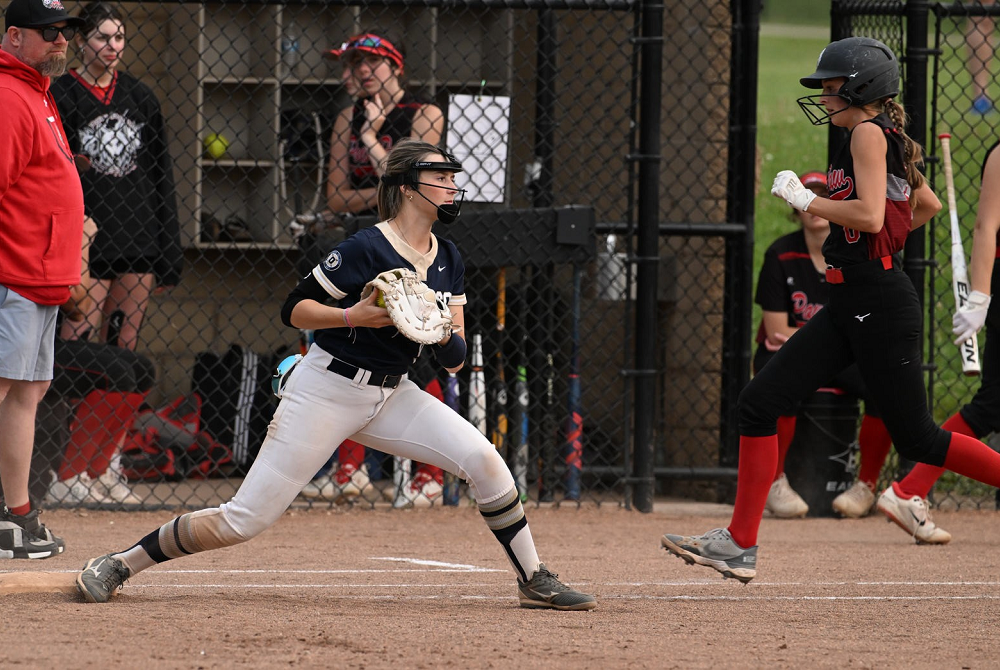
Be the Referee: Softball Interference
By
Paige Winne
MHSAA Marketing & Social Media Coordinator
June 6, 2023
Be The Referee is a series of short messages designed to help educate people on the rules of different sports, to help them better understand the art of officiating, and to recruit officials.
Below is this week's segment – Softball Interference - Listen
We’re on the softball diamond today for a “You Make the Call.”
Runners are on the corners with no outs. The batter hits the first pitch in the air and into foul territory near the first-base line.
The runner on first interferes with the first basewoman attempting to make the catch, and the ball falls to the ground.
What’s the call?
- Is it the runner on first and the batter are out?
- The batter is out and the runner stays at first?
- Or the ball is dead immediately, the runner on first is out and the batter is charged with a foul ball?
If you said the ball is dead immediately when the interference takes place and that the runner is out, with the batter returning to the batter’s box with a one-strike count … you made the right call!
Previous Editions:
May 30: Officials Registration - Listen
May 23: Soccer Offsides or Goal? - Listen
May 16: Track & Field Exchange Zones - Listen
May 9: Girls Lacrosse Self-Start - Listen
May 2: Baseball/Softball Overthrow - Listen
April 25: Fifth-Quarter/Third-Half Rule - Listen
April 18: Soccer Referee in Play? - Listen
April 11: Softball Strikeout - Listen
March 14: Basketball Instant Replay - Listen
March 7: Hockey Overtime - Listen
Feb. 28: Baker Bowling - Listen
Feb. 21: Ski Finish - Listen
Feb. 14: Swimming Touchpads - Listen
Feb. 7: In or Out-of-Bounds in Wrestling - Listen
Jan. 31: Over the Back - Listen
Jan. 24: Competitive Cheer Judges - Listen
Jan. 17: More Lines - Listen
Jan. 10: On the Line - Listen
Jan. 3: Basketball Measurements - Listen
Dec. 13: Pregame Dunks - Listen
Dec. 6: Gymnastics Judges - Listen
Nov. 22: Football Finals Replay - Listen
Nov. 15: Back Row Illegal Blocker - Listen
Nov. 8: Swim Turn Judges - Listen
Nov. 1: Soccer Referee Jersey Colors - Listen
Oct. 25: Cross Country Tie-Breaker - Listen
Oct. 18: Soccer Shootouts - Listen
Oct. 11: Safety in End Zone - Listen
Oct. 4: Football Overtime Penalty - Listen
Sept. 27: Kickoff Goal - Listen
Sept. 20: Soccer Timing - Listen
Sept. 13: Volleyball Replays - Listen
Sept. 6: Switching Sides - Listen
Aug. 30: Play Clock - Listen
Aug. 23: Intentional Grounding Change - Listen
PHOTO by Gary Shook.