


Be the Referee: Cross Country Tie-Breaker
By
Sam Davis
MHSAA Director of Officials
October 25, 2022
Be The Referee is a series of short messages designed to help educate people on the rules of different sports, to help them better understand the art of officiating, and to recruit officials.
Below is this week's segment – Cross Country Tie-Breaker - Listen
Cross Country Regionals are this weekend, and the top three teams will automatically qualify for the state Finals. If a school finishes fourth in the Regional meet with four or more runners in the top 20 places and eight or more complete teams finishing the race, that school will also qualify as a team for the Final meet. But what happens if there is a tie between two teams?
When there is a tie in team scoring it shall be resolved by comparing the sixth-place finishers from the tying teams. The team with the best sixth-place finisher shall prevail. If one team does not have a sixth-place finisher, the team with the sixth-place finisher shall prevail.
If only five competitors of tying teams finish, the tie shall be resolved by totaling the scores of the first four finishers, and the team with the lower score breaking the tie and advancing.
Previous Editions:
Oct. 11: Soccer Shootouts - Listen
Oct. 11: Safety in End Zone - Listen
Oct. 4: Football Overtime Penalty - Listen
Sept. 27: Kickoff Goal - Listen
Sept. 20: Soccer Timing - Listen
Sept. 13: Volleyball Replays - Listen
Sept. 6: Switching Sides - Listen
Aug. 30: Play Clock - Listen
Aug. 23: Intentional Grounding Change - Listen
Be the Referee: Goaltending vs. Basket Interference
By
Paige Winne
MHSAA Director of Brand Management
December 2, 2025
Be The Referee is a series of short messages designed to help educate people on the rules of different sports, to help them better understand the art of officiating, and to recruit officials.
Below is this week's segment – Goaltending vs. Basket Interference - Listen
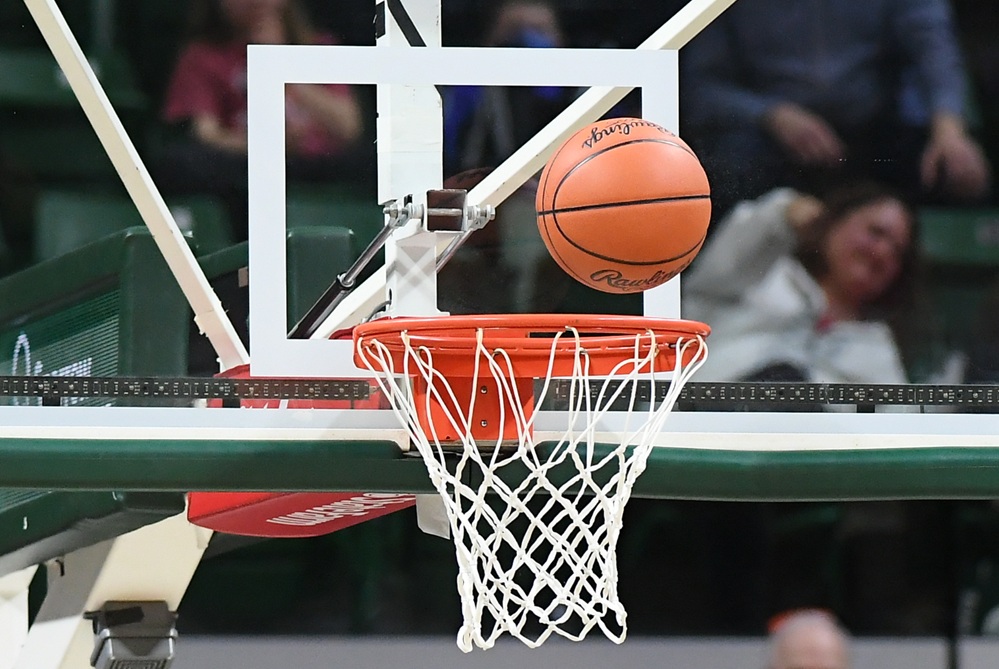
We’re on the basketball court today to talk about the differences between goaltending and basket interference.
Goaltending occurs when a player touches a shot that is on its downward flight and has a chance to go in.
Basket interference is when a player touches the ball when it is on the rim, or inside the cylinder above it.
An offensive player cannot be called for goaltending but can be called for basket interference.
And once a shot hits the backboard, it is automatically considered to be on a downward flight, even if it is still going up. It’s goaltending by the defense if they touch a shot with a chance to go in that has hit the backboard.
Previous 2025-26 editions
Nov. 25: Football Finals Instant Replay - Listen
Nov. 18: Volleyball Libero Uniforms - Listen
Nov. 11: Illegal Substitution/Participation - Listen
Nov. 4: Losing a Shoe - Listen
Oct. 28: Unusual Soccer Goals - Listen
Oct. 21: Field Hockey Penalty Stroke - Listen
Oct. 14: Tennis Double Hit - Listen
Oct. 7: Safety in Football - Listen
Sept. 30: Field Hockey Substitution - Listen
Sept 23: Multiple Contacts in Volleyball - Listen
Sept. 16: Soccer Penalty Kick - Listen
Sept. 9: Forward Fumble - Listen
Sept. 2: Field Hockey Basics - Listen
Aug. 26: Golf Ball Bounces Out - Listen