

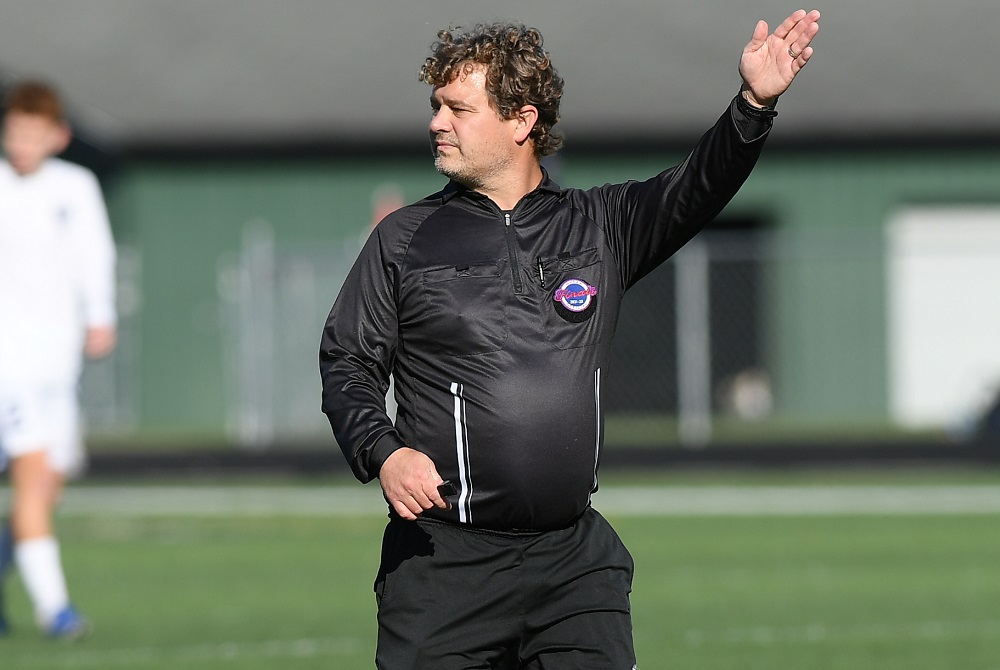
Be the Referee: Soccer Timing
By
Sam Davis
MHSAA Director of Officials
September 20, 2022
Be The Referee is a series of short messages designed to help educate people on the rules of different sports, to help them better understand the art of officiating, and to recruit officials.
Below is this week's segment – Soccer Timing - Listen
One of the biggest complaints people make about professional soccer is never knowing how much time is really left in the game. The clock counts up from zero, and the referee can add time at their discretion.
But that’s not the case in high school soccer.
To start with, halves are 40 minutes, not 45. The clock starts at 40 and counts down. And when players are injured and the ball is not in play, the clock will stop and then restart when action is ready to continue.
In the last five minutes of the game, the clock stops for substitutions by the leading team, so a coach can’t stall by sending in a new player. When the clock hits zero and the buzzer sounds … the game is over. There’s no guessing how much added time there is – the end of the game is the end of the game.
Previous Editions:
Sept. 13: Volleyball Replays - Listen
Sept. 6: Switching Sides - Listen
Aug. 30: Play Clock - Listen
Aug. 23: Intentional Grounding Change - Listen
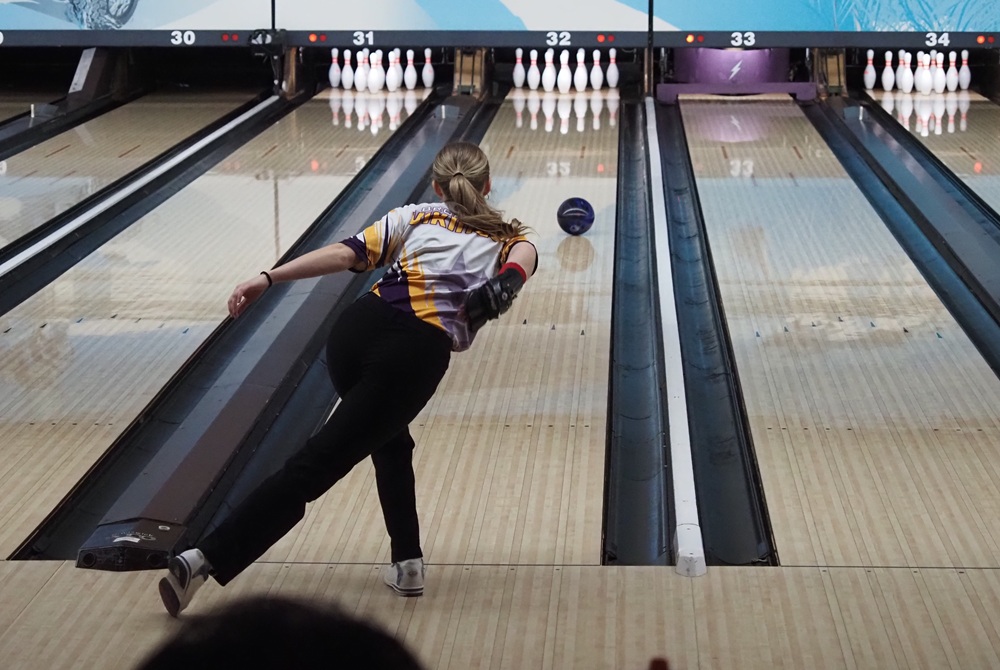
Be the Referee: Bowling Pins
By
Paige Winne
MHSAA Director of Brand Management
February 3, 2026
Be The Referee is a series of short messages designed to help educate people on the rules of different sports, to help them better understand the art of officiating, and to recruit officials.
Below is this week's segment – Bowling Pins - Listen
We’re back on the bowling lane today, ready to throw our first ball of the third frame. Strikes were recorded in each of the first two frames, and we’re now one strike away from a turkey.
We roll a perfect ball that hits the pocket with power and sends all 10 pins flying. What a shot! Three strikes in a row … so we think.
Once the pins settle, we notice that one pin bounced off the side wall and landed upright back on the lane, like it had never been touched. But we know it was knocked down to begin with. Is this a strike, or a 9?
Get your spare ball ready – it’s a 9. If a pin is still standing after your throw, no matter how, it’s still considered a standing pin.
Previous 2025-26 editions
Jan. 27: Ski Gates - Listen
Jan. 20: Cheer Judges - Listen
Jan. 13: Basketball Over the Back - Listen
Jan. 6: Bowling Ball Bounces Out of Gutter - Listen
Dec. 9: Puck on Goal Netting - Listen
Dec. 2: Goaltending vs. Basket Interference - Listen
Nov. 25: Football Finals Instant Replay - Listen
Nov. 18: Volleyball Libero Uniforms - Listen
Nov. 11: Illegal Substitution/Participation - Listen
Nov. 4: Losing a Shoe - Listen
Oct. 28: Unusual Soccer Goals - Listen
Oct. 21: Field Hockey Penalty Stroke - Listen
Oct. 14: Tennis Double Hit - Listen
Oct. 7: Safety in Football - Listen
Sept. 30: Field Hockey Substitution - Listen
Sept 23: Multiple Contacts in Volleyball - Listen
Sept. 16: Soccer Penalty Kick - Listen
Sept. 9: Forward Fumble - Listen
Sept. 2: Field Hockey Basics - Listen
Aug. 26: Golf Ball Bounces Out - Listen