

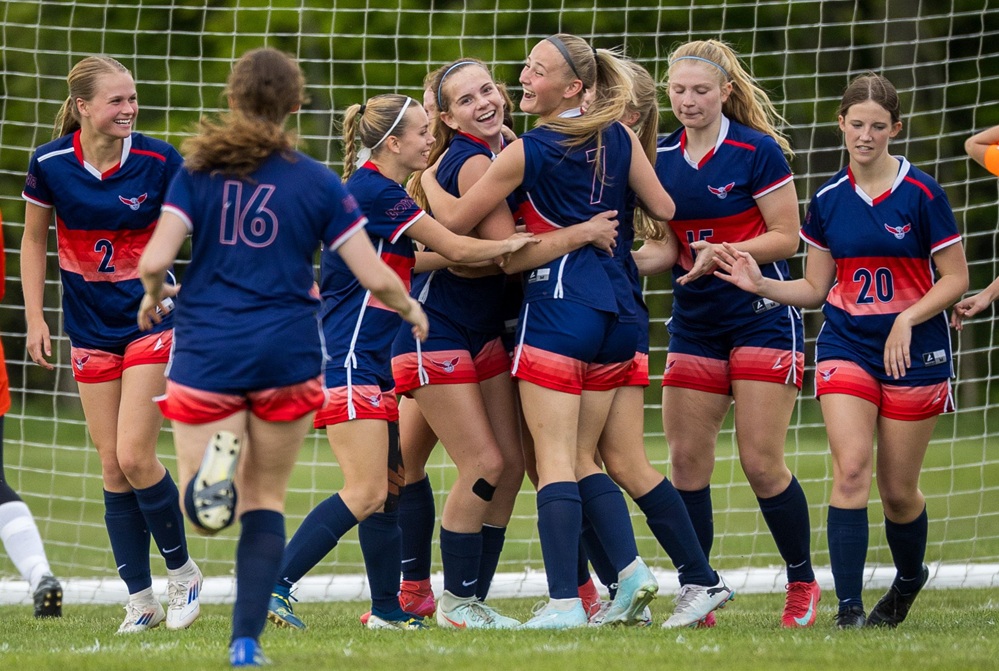
Boyne City Public Schools Receives MIAAA's Exemplary Athletic Program Award
February 3, 2026
The Michigan Interscholastic Athletic Administrators Association (MIAAA) has named Boyne City Public Schools as a recipient of the 2026 MIAAA Exemplary Athletic Program Award.
The award will be formally presented to Boyne City athletic director Matt Windle on March 15 during the MIAAA Annual Business Meeting at the Grand Traverse Resort and Spa.
Established in 1998, the MIAAA Exemplary Athletic Program Award recognizes high school athletic programs across Michigan that model excellence, equity, and educationally sound practices. The program was created to identify and publicly recognize outstanding athletic programs, provide a framework for voluntary self-assessment, promote the sharing of best practices statewide, and encourage continued improvement in Michigan’s high school athletic programs.
Boyne City Public Schools becomes the 24th athletic program recognized over the past 25 years and only the 14th program honored during the last two decades, underscoring the selectivity and prestige of the Exemplary Athletic Program Award.
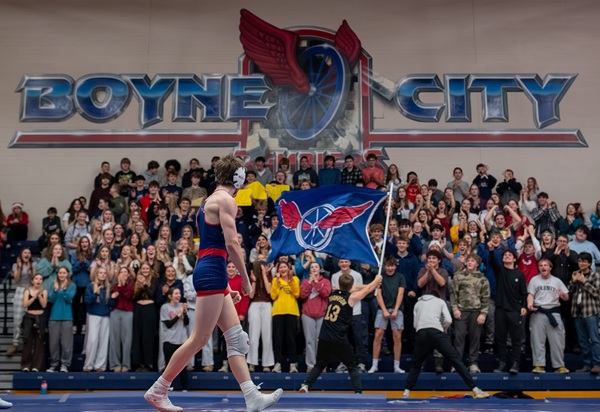 As part of the evaluation process, the MIAAA Exemplary Athletic Program Committee conducted a three-day on-site visit in the fall, meeting with district administrators, coaches, student-athletes, parents, and support staff. The visit provided committee members with the opportunity to review and share Boyne City’s vision, goals, and systems supporting a comprehensive, equitable, and education-based athletic program.
Boyne City athletics was selected following a thorough assessment and review process examining program structure, leadership practices, equity initiatives, sportsmanship, and the ways in which the athletic program serves its various constituents. Exemplary programs demonstrate sustained success in advancing the emotional, social, moral, and physical growth of all participants while reinforcing the core values of interscholastic athletics.
The 2026 recognition places Boyne City Public Schools among a distinguished group of athletic programs statewide that have demonstrated consistent excellence since the award’s inception.
Boyne City athletic director Matt Windle said of the award: “This recognition reflects the collective effort of so many people who care deeply about providing meaningful opportunities for our student-athletes. Our coaches, staff, administrators, families, and community consistently put students first and work together to create an environment rooted in growth, accountability, and support.
“We are proud of the culture that exists within Boyne City athletics and grateful for the opportunity to serve students through education-based athletics.”
(Photos by Kishba Media.)

UPDATE Meeting Series In 38th Year
September 16, 2015
By Geoff Kimmerly
Second Half editor
The MHSAA will conduct its 38th annual Update Meeting series in the coming weeks, and this year’s schedule will again offer in-service programming for athletic directors at six of the seven locations.
The Update series is annually attended by more than 800 school administrators. During the meetings, information about current MHSAA activities is disseminated, issues affecting interscholastic athletics are discussed, and attendees are surveyed on various topics.
Six luncheon meetings are scheduled in the Lower Peninsula, and a morning meeting is scheduled for Marquette in the Upper Peninsula. MHSAA Executive Director John E. "Jack" Roberts will address high school superintendents, principals, athletic directors and school board members on a variety of topics at these meetings. Update Meetings also provide school administrators an opportunity to ask questions and discuss any recent changes in the Association's rules and regulations.
This will be the 13th year for Athletic Director In-Service programs to take place in morning-long sessions prior to most of the Update Meetings. These workshops are designed to help prepare those administrators for the rigors of their jobs, and with the Update Meetings offer those in attendance an opportunity to meet with administrators from neighboring school districts with whom they normally are not able to have day-to-day contact.
The meeting in Gaylord on October 12 also will serve as the Annual Business Meeting for the MHSAA. The registration form for Athletic Director In-Service and Update Meetings is available on the “Administrators” page under the “Schools” heading on the MHSAA Website at www.mhsaa.com.
Here is a schedule of the 2015 Update Meetings:
• Sept. 23 – Pine West, Kalamazoo (Noon – Preceded by AD In-Service at 8:30 a.m.)
• Sept. 28 – DeCarlo’s Center, Warren (Noon - Preceded by AD In-Service at 8:30 a.m.)
• Oct. 1 – Causeway Bay, Lansing (Noon – Preceded by AD In-Service at 8:30 a.m.)
• Oct. 5 – English Hills Country Club, Comstock Park (Noon – Preceded by AD In-Service at 8:30 a.m.)
• Oct. 7 – Zehnder's Restaurant, Frankenmuth (Noon – Preceded by AD In-Service at 8:30 a.m.)
• Oct. 12 – Otsego Club & Resort, Gaylord (Noon – Preceded by AD In-Service at 8:30 a.m.)
• Oct. 30 – Northern Michigan University Superior Dome, Marquette (10 a.m. – Upper Peninsula Athletic Directors Meeting)
The MHSAA is a private, not-for-profit corporation of voluntary membership by more than 1,400 public and private senior high schools and junior high/middle schools which exists to develop common rules for athletic eligibility and competition. No government funds or tax dollars support the MHSAA, which was the first such association nationally to not accept membership dues or tournament entry fees from schools. Member schools which enforce these rules are permitted to participate in MHSAA tournaments, which attract more than 1.4 million spectators each year.