

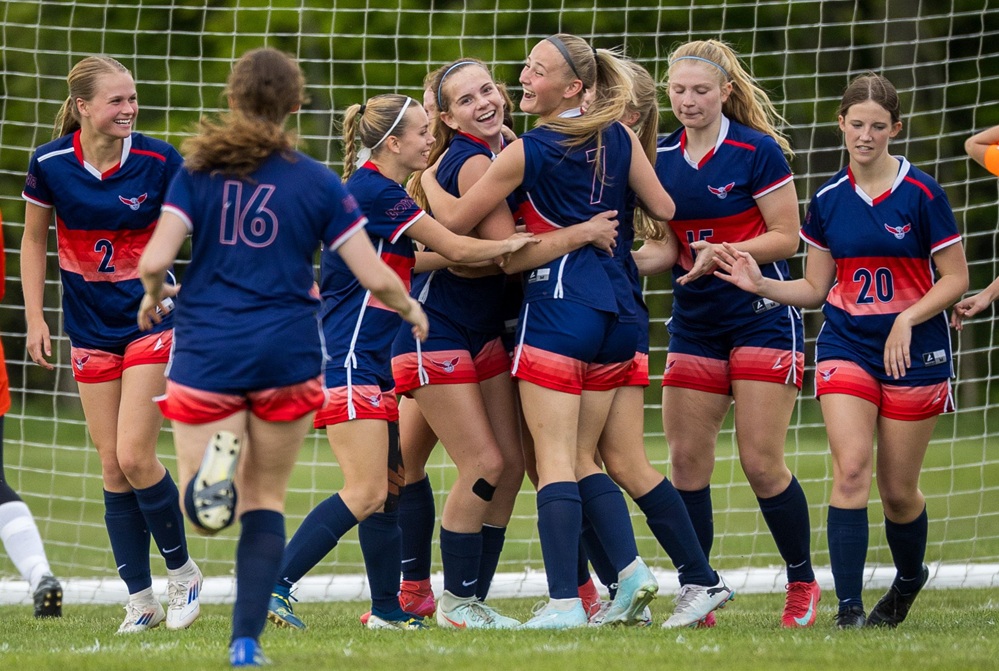
Boyne City Public Schools Receives MIAAA's Exemplary Athletic Program Award
February 3, 2026
The Michigan Interscholastic Athletic Administrators Association (MIAAA) has named Boyne City Public Schools as a recipient of the 2026 MIAAA Exemplary Athletic Program Award.
The award will be formally presented to Boyne City athletic director Matt Windle on March 15 during the MIAAA Annual Business Meeting at the Grand Traverse Resort and Spa.
Established in 1998, the MIAAA Exemplary Athletic Program Award recognizes high school athletic programs across Michigan that model excellence, equity, and educationally sound practices. The program was created to identify and publicly recognize outstanding athletic programs, provide a framework for voluntary self-assessment, promote the sharing of best practices statewide, and encourage continued improvement in Michigan’s high school athletic programs.
Boyne City Public Schools becomes the 24th athletic program recognized over the past 25 years and only the 14th program honored during the last two decades, underscoring the selectivity and prestige of the Exemplary Athletic Program Award.
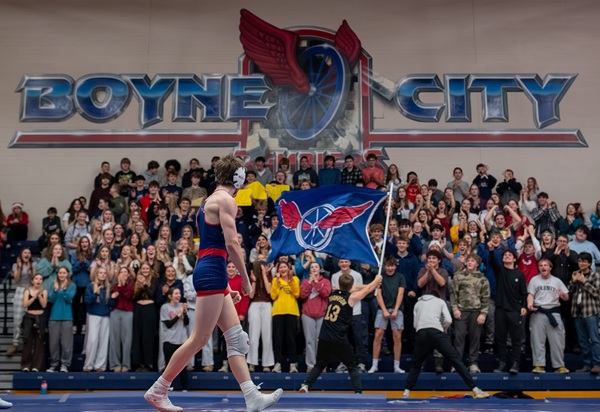 As part of the evaluation process, the MIAAA Exemplary Athletic Program Committee conducted a three-day on-site visit in the fall, meeting with district administrators, coaches, student-athletes, parents, and support staff. The visit provided committee members with the opportunity to review and share Boyne City’s vision, goals, and systems supporting a comprehensive, equitable, and education-based athletic program.
Boyne City athletics was selected following a thorough assessment and review process examining program structure, leadership practices, equity initiatives, sportsmanship, and the ways in which the athletic program serves its various constituents. Exemplary programs demonstrate sustained success in advancing the emotional, social, moral, and physical growth of all participants while reinforcing the core values of interscholastic athletics.
The 2026 recognition places Boyne City Public Schools among a distinguished group of athletic programs statewide that have demonstrated consistent excellence since the award’s inception.
Boyne City athletic director Matt Windle said of the award: “This recognition reflects the collective effort of so many people who care deeply about providing meaningful opportunities for our student-athletes. Our coaches, staff, administrators, families, and community consistently put students first and work together to create an environment rooted in growth, accountability, and support.
“We are proud of the culture that exists within Boyne City athletics and grateful for the opportunity to serve students through education-based athletics.”
(Photos by Kishba Media.)

Changes Create Calendar Conundrum
April 2, 2015
By Jack Roberts
MHSAA Executive Director
Decades ago, schools developed policies and procedures for competitive athletics that educators knew were best for both schools and students.
Schools believed that for every sport a period of guided practices to prepare students for competition was important to minimize risks and maximize performance. Maximum numbers of competitions per day and per week reinforced these beliefs and tended to assure students also had time for their studies.
Schools believed that the season should not run on forever, and maximums were established on the total number of weeks and competitions.
Schools believed that at least a short break between sports was good for both the bodies and minds of students, and that an extended break in the summer was also good, providing opportunities to engage in other sports, or for summer employment, or for family time and travel.
On every count, schools were correct.
Unfortunately, over time, sports programs of non-school groups have moved into every month, week, day or half-day that schools have not programmed for students. Most of it is competition without preparation (lots of games, few practices). And parents far too often have been far too willing to pay any amount and drive any distance to facilitate their child’s interest or force their child’s play.
What do educators do when what their heads tell them is the best no longer resonates in the hearts of so many people their schools are to serve?
And that question is at the heart of this week's MHSAA benchmarks series examining out-of-season issues. Watch for more installments over the next four days.