


Coaching Advancement
March 21, 2014
Over the past nine months we have marched down the field in our effort to enhance the health and safety preparation of those who coach school sports. There have been two big plays during this offensive drive.
Last May, the Representative Council adopted the requirement beginning in 2014-15 that all assistant and subvarsity high school coaches must complete the same rules/risk management session as high school varsity head coaches, or, in the alternative, complete one of several free, online health and safety programs posted for this purpose on MHSAA.com.
Last December, the Council adopted the requirement beginning in 2015-16 that all high school varsity head coaches must have current certification in CPR.
It’s my hope that we will not fumble now that we’re in the red zone, that we won’t drop the ball before crossing the goal line on this current health and safety drive focusing on enhanced preparation of coaches.
The next play the Representative Council is considering is to require that all persons hired for the first time at any MHSAA member high school as a varsity level head coach must have completed the Coaches Advancement Program Level 1 or 2.
More than 10,000 people already have done so; and other people who want to be high school varsity head coaches have more than two years to complete this requirement.
Finishing this drive won’t put Michigan’s high school coaching standards at the head of the class; but it will keep us in the classroom of best practices for coaches education. The standard of care is advancing nationwide and on all levels of sports.
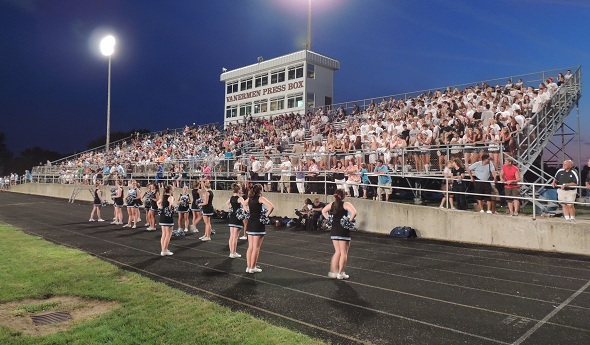
To Ford Field, and Home Again
August 31, 2012
The last time Lansing Catholic and Pewamo-Westphalia's football teams had suited up, it was under the bright lights of Ford Field for last season's MHSAA Finals.
The reigning Division 5 and 7 runners-up, respectively, returned to the field Aug. 24 in a season opener at Holt Junior High, in what was another first-time experience for leaders on both sidelines.
It was the first time in a coaching career spanning four decades that Cougars coach Jim Ahern started anew after making it to the previous season's final game. Despite numerous near-misses while coaching at Ithaca, last season was his first trip to the title game.
Pewamo-Westphalia's Brad Weber has been leading the Pirates for only five seasons, but his school and community also had never made it to a season finale before last November.
Click to see what each had to say after Lansing Catholic opened with a 45-21 win.