


Crisis Coaching
June 14, 2013
On the highway outside my office window last week, there was a traffic accident that involved two 2012 graduates of a mid-Michigan high school. One was killed, the other appears to be recovering from serious injuries. The young men had been on their way to work.
The next morning’s newspaper coverage – in the news section, not the sports pages – revolved around the boys’ high school football coach. He told the reporter about his former players’ character and their dreams, and what a difficult day he had spent with their families. Later, local television stations made this coach their go-to person for updates.
This plays out so often: a family faces a crisis, and a coach is quickly on the scene. The best part of coaching – close and even lifelong relationships with players – becomes the toughest – being physically present when those players or their families need support.
It has played out so often in my experience that I can’t imagine what is lost in our schools as interscholastic coaching positions are farmed out to volunteers, or programs are eliminated altogether. I can’t imagine what is lost in the lives of students, and many of their families.
The richest part of coaching is relationships, which are often most revealed during the worst circumstances.
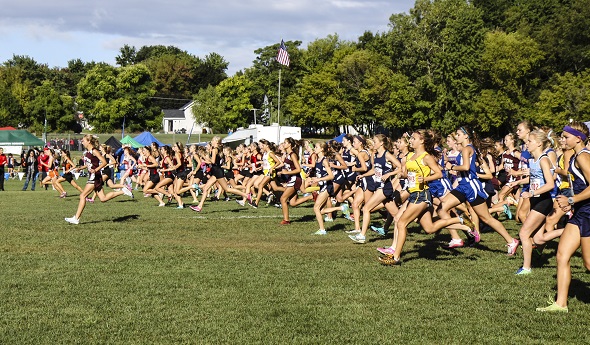
HS Also Stands for Health & Safety
December 20, 2013
By John E. “Jack” Roberts
MHSAA Executive Director
When parents send their children to our programs of school sports, most parents have one hope above all others.
More than they want a winning team, even more than they want their child to get playing time and score points, most Moms and Dads want (and many of them pray) that their child will be safe in our care.
I've seen many Moms (including the mother of my two children) gasp for breath and grasp the arm of the person next to them when one of their children took a tumble in soccer or was being twisted to some extreme in wrestling.
Those parents who have the one hope above all other hopes – that their child is safe in our care – have almost every right to expect that their children are, indeed, safe in our care.
Not all accidents can be avoided; and no sport can be entirely injury-free. Those realities mean that people in charge – rules makers, administrators, coaches and officials – must take every reasonable, realistic precaution to minimize accidents and injuries.
With the right policies and procedures, and coaches and officials committed above all else to the well-being of student-athletes, we can reduce head injuries and eliminate serious heat illness; we can get CPR and AEDs in use faster; and we can provide environments free of bullying and hazing.
I know that all of us want programs like this for our own children. We must do our utmost to provide nothing less for the children entrusted to us by other parents.
During the next two weeks, Second Half will continue feature stories from this fall's issue of "benchmarks" centered on the MHSAA's focus on health and safety. Click here for the first installment, "Safety Blitz - Taking a Healthy Approach to Sports."