


Sorting It Out
February 4, 2014
The MHSAA has a good relationship with the high school coaches associations of Michigan in spite of the fact that the MHSAA sometimes befuddles and frustrates some associations’ leaders and members. This occurs, for example, when a coaches association’s board of directors votes unanimously in support of a change in policy or procedure which fails to be adopted by the MHSAA Representative Council. Every so often over the past 25 years, I’ve had to provide reminders of why this occurs – in fact, why it must occur.
First, a coaches association is just that – an association of coaches; and coaches are but one of the many important voices to whom the MHSAA pays regular attention. The MHSAA also must hear the opinions of athletic directors, principals, superintendents, boards of education, contest officials and others. Typically, coaches desire more of everything: contests, classifications, trophies and medals. Just as predictably, most administrators seek reasonable limits on such things and can often be heard to say, “Enough is enough.”
Second, the makeup of many of our state’s high school coaches associations’ boards of directors, and even the associations’ members, do not reflect the MHSAA’s full membership. Understandably, many coaches associations’ board members are disproportionately from large schools in the southern or even southeastern part of Michigan.
And third, by their nature, coaches associations advance proposals for a single sport, which could impact other sports positively or negatively. There is no question that if one sport “gets” something, like another tournament classification or division, other sports will seek the same consideration which may or may not be practical for or beneficial to other sports.
When considering a proposal from a coaches association, MHSAA Representative Council members will almost always ask themselves: “Who’s not in the room? Who are we not hearing from? Is there another side of the issue? How does this play out among small schools, or urban schools, or northern schools? How will this affect other sports?”
We look to coaches associations for sport-specific advice; and we urge them to seek input from a constituency that is as large and diverse as possible. We look to other stakeholders to add their advice and counsel to the process; and we depend on the Representative Council to sort it out and seek the proper balance.
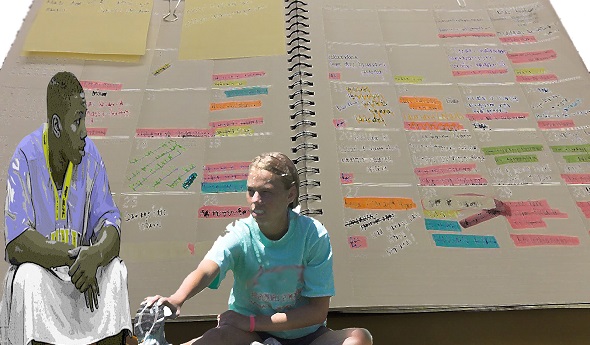
Changes Create Calendar Conundrum
April 2, 2015
By Jack Roberts
MHSAA Executive Director
Decades ago, schools developed policies and procedures for competitive athletics that educators knew were best for both schools and students.
Schools believed that for every sport a period of guided practices to prepare students for competition was important to minimize risks and maximize performance. Maximum numbers of competitions per day and per week reinforced these beliefs and tended to assure students also had time for their studies.
Schools believed that the season should not run on forever, and maximums were established on the total number of weeks and competitions.
Schools believed that at least a short break between sports was good for both the bodies and minds of students, and that an extended break in the summer was also good, providing opportunities to engage in other sports, or for summer employment, or for family time and travel.
On every count, schools were correct.
Unfortunately, over time, sports programs of non-school groups have moved into every month, week, day or half-day that schools have not programmed for students. Most of it is competition without preparation (lots of games, few practices). And parents far too often have been far too willing to pay any amount and drive any distance to facilitate their child’s interest or force their child’s play.
What do educators do when what their heads tell them is the best no longer resonates in the hearts of so many people their schools are to serve?
And that question is at the heart of this week's MHSAA benchmarks series examining out-of-season issues. Watch for more installments over the next four days.