

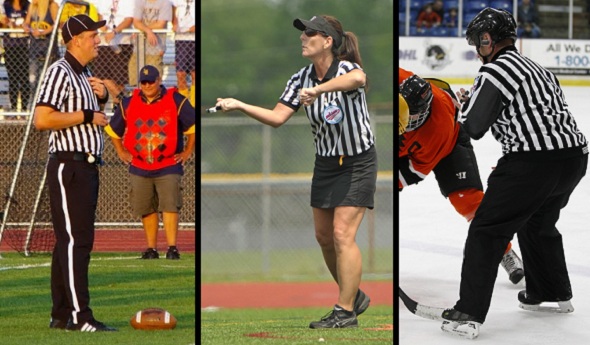
Making - and Answering - the Call
September 28, 2012
By Rob Kaminski
benchmarks editor
“Life is a game with many rules but no referee. Small wonder, then, that so many play dirty, that so few win, that so many lose.” – Joseph Brodsky, Russian Poet and Essayist
To varying degrees, the world of athletics mirrors society. There are winners and losers. There are participants who look for ways to skirt the rules. However, in considering Mr. Brodsky's quotation above, there is one glaring difference between sports and life. Our games do have referees. Because of that, dirty play is less rampant and our games have more winners than losers, for the scoreboards only tell part of the story. There are lessons in winning and losing within the framework of enforced rules, lessons which equip young people with the tools to make society a little better in the future.
In life, the deck is stacked in favor of the players. According to one 2010 census, there were 1.8 police officers per 1,000 citizens in Michigan, a ratio which ranked 40th in the United States.
In contrast, during the 2011-12 school year, there were 37.2 registered MHSAA officials per 1,000 high school participants. Maybe, just maybe, that’s why school sports are at odds with Brodsky’s depiction of society; there are simply more cops on the beat.
At the very least, officials play a vital role in the existence of school sports. The games can’t go on without these men and women, and the MHSAA annually seeks improved recruitment and retention methods to promote growth of this group so integral to the health of its product.
They answer the call
So who are these people whose best work goes unnoticed; of whom perfection is the expectation; and who automatically alienate 50 percent of interested parties each time they make a decision? Who applies for this job? Why are some suited for the task, and others not? Asking why people leave the officiating life can often reveal just as many clues as talking to those who stay.
 In 2004, the MHSAA conducted a survey targeting former officials to reveal their reasons for leaving the avocation and ask what might be done to bring them back.
The top three reasons people hung up their whistles or other tools of the trade were as follows: 1) career change/job demands; 2) poor sportsmanship by coaches and fans; 3) local association politics. Time spent away from family was also cited as a prime reason for leaving the games.
Eight years later, in a survey this August, the MHSAA again called upon former officials to generate data which can be helpful in recruiting new officials or luring back “retired” veterans.
Of more than 600 respondents at press time, the consensus of comments indicate a shift in culture. Career and personal demands no longer top the chart as reasons for leaving. Today’s barometer indicates that local association politics (the ability to receive games and advance through the ranks) and a lack of adequate training for new, younger, officials rank as the prime reasons for people exiting the game relatively early in their quest.
Sportsmanship concerns for the behavior of coaches, parents and participants still rates as the second-greatest deterrent.
“It is imperative to survey our constituents on a frequent basis so we can react to the various factors which prompt trends in the industry,” said Mark Uyl, MHSAA assistant director who oversees the state’s 12,000 registered officials. “I think we’ve successfully addressed some issues based on the findings from the 2004 survey, and we expect to analyze this year’s questionnaire at length to address the most pressing issues accordingly.”
The majority of the slips filling the suggestion box from the August survey: 1) provide increased training opportunities for new officials; 2) work with local associations to create more opportunities for new people to receive a greater number of games; 3) allow officials to rate schools and coaches, and develop programs for peer evaluation, rather than receiving ratings from coaches only.
The MHSAA has made strides in tackling each issue, and this year’s data will further focus its efforts to improve the officiating environment.
In recent years, the MHSAA has conducted officials camps in basketball and football (see stories on pages 14 and 33) and created an officials video training page on MHSAA.com.
While the officials ratings still come from the schools, local approved officials associations now submit candidates for MHSAA tournament assignments, and the nominations hold more weight with the MHSAA than ever before. As a result, local associations are better evaluating their members.
Additionally, officials can now access and submit a school sportsmanship feedback form to rate school facilities and coach, player and spectator behavior. Findings from this year’s survey indicate that officials would like a more detailed system, and a greater emphasis on sportsmanship education for coaches. To that end, the MHSAA offers one of the most comprehensive coaches education programs in the nation through its Coaches Advancement Program, and offers incentives to those who register for classes, many of which tout sportsmanship.
“We also encourage local associations to communicate with leagues and conferences outside the playing boundaries,” Uyl said. “Several associations invite coaches to a meeting or two each year for honest, face-to-face discussion. We’ve also been told of schools which invite a veteran official to parents meetings or team meetings prior to the season to help explain rules and their role in the games. Conversation in these settings serve our members well and assist in breaking down barriers.”
Key to growth and improvement of MHSAA sports officials are the efforts of local approved associations.
“There is no question that any successes we enjoy as a state association are directly related to the leadership of our local associations,” Uyl said. “Through programs like our train-the-trainers sessions each summer we can put the wheels in motion, but the real grass-roots education of our men and women happens in communities throughout the state. And, the people in place to carry out our officials education are second to none.”
Recruitment starts with family
If there’s anything you’ll take from this issue of benchmarks, it’s that there are no better recruiters, – no more qualified individuals to blare the trumpets – than officiating’s own family members. It’s a recurring theme repeated by numerous individuals.
Carl Van Heck, assigner for the West Michigan Umpires Association, said his association attempts to identify MHSAA-registered umpires in the area not currently members of the WMUA and invite them to join. His association also attracts a few individuals per year through an ad in the Grand Rapids Press. The real recruitment and retention begins once the rookies are in the association.
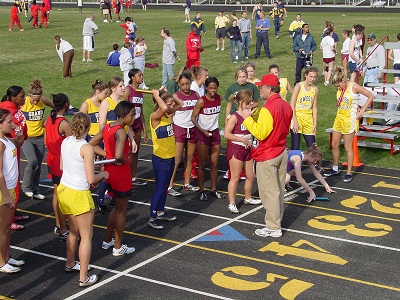 “Our executive board recently voted to install a mentoring program which will pair a veteran official to work a number of games with a new official to get him or her started on the right foot,” said Van Heck. “This is on a voluntary basis for both the veteran and the newcomer, and they are assigned these games in addition to their regular schedule.
“We also conduct an annual clinic on a Saturday at Grand Valley State University that is free to all of our members. We want the best-trained umpires both new and old to put on the field for the schools we work for.”
That’s the hook; making new officials feel comfortable while increasing their skill level and affording them ample opportunities to work.
While much of this responsibility falls to the local level, much is also expected of the MHSAA to assist in this process.
“The biggest obstacles young referees face in officiating high school soccer matches are legalistic rule changes, lack of expert feedback and lack of opportunity,” said Alex Smith, president of the Greater Lansing Area Soccer Referees Association. Smith opines that onfield issues in soccer are often met with the addition of a new rule, and in many instances there aren’t enough knowledgeable leaders to assist the younger soccer officials.
“For excited young or new referees looking to improve, there are few, if any, options for unbiased or expert feedback for them to consult,” Smith said, while adding that continued efforts between GLASRA and the MHSAA could soothe development issues.
“Certainly, in recent years GLASRA and others have given MHSAA credit for beginning to address these weaknesses. It's our hope that MHSAA continues to refine, streamline and improve its development and retention of new officials,” Smith said.
Uyl agrees, and welcomes input from all entities around the state.
“Some of the areas identified from GLASRA and other associations in other sports continue to be on the radar for improvement and change,” Uyl said. “Frank, honest and professional feedback is the only way we can keep moving forward in the right direction together with all of our officials.”
Onward and upward
At times, it seems, the biggest roadblock to officials advancement is officials themselves, resulting from a collision of two eras.
When it comes to younger officials proclaiming a lack of training opportunity and game assignments, how much of it is a reflection of societal change? Newer officials are raised in a world of instant gratification; from fast food, to satellite TV, to smart phones and the Internet, they are of the culture that gets anything it wants, when it wants.
Older officials, who tend to be the assigners, have an understanding of what it takes to work the highest levels of a sport. They know what they’ve been through to move up the ranks, and they know who they’ve moved up with. It becomes a matter of trusting the known, and being suspicious of the unknown. Yes, at times, the industry can be a “good ol’ boy network.”
The challenge is to make sure the new kids are aware of existing training opportunities and the investment necessary for advancement, while opening the veterans’ eyes to a pool of new talent and identifying those best suited to lead the neophytes.
“Again, I think this is an area that’s improving as we try to encourage our leaders around the state to take ownership in the development of our young officials,” Uyl said. “We constantly encourage our associations to nominate ‘new blood’ for our tournaments, and I think associations can take pride in turning out young people who are knowledgeable, physically fit and passionate about this business we’re in. It’s a people business, first and foremost, so it’s paramount that our own kind work together.”
As mentioned, the MHSAA began seeking greater input from approved associations for its tournament selection a few years back. While the coaches rating system still serves as one of the gauges, the ratings are not the be-all, end-all when it comes to assignments. Local associations need to take that lead.
“We promote our officials from the subvarsity level to the varsity level based on ratings, and there is a lack of ratings from our local schools for officials working on the subvarsity level,” Van Heck said. “We tend to lose officials who after the third year are not advancing due to lack of ratings.”
The WMUA’s new mentor program can serve to change the culture there. As more feedback is gathered from veteran officials working with the newcomers, less weight can be attached to coaches ratings which seldom arrive.
In any line of work, people want to be rewarded for their efforts, or, at the very least, appreciated by their peers. If it’s motivation, education and affirmation that young officials are seeking, there will be no better place to look than Grand Rapids next July. A day-long event tailored to high school officiating in Michigan takes place Saturday, July 27, preceding the 2013 National Sports Officials Association Summit. All registered MHSAA officials are encouraged to attend. Registration information will be posted to MHSAA.com later this fall.
Last call
Survey examines reasons for calling it quits
Following is a sampling of responses from former officials offering reasons for leaving the playing fields and arenas, along with suggestions for retention. Complete survey results can be found on the Officials page of MHSAA.com.
- “Maybe some further education for the coaches, who in turn can educate their parents, might help the process. We, as officials, don't question the play calls of the head coach publicly. Why should it be fair for the coach to question the calls of the official publicly?”
- “Find a way to schedule officials who want to work games. People want to work, but no one wants to schedule them. I often hear it is a lack of experience, but you can't get experience unless you work games.”
- “When a new member comes on board, have an experienced official contact him or her immediately about assignments. This will make his or her first game more comfortable. Officials are team players just like those who they will officiate.”
- “The time away from family, the cost and effort to stay certified, and the commitment to staying conditioned and prepared for the level of play unfortunately does not surpass the "lack of fun" that refereeing soccer has become. A solution seems unrealistic because of the scope of the problem – but it needs to start somewhere. Great idea to send this survey and begin the process of improvement.”
- “I was woefully unprepared and lacked the knowledge necessary to be an effective official. If it weren't for an optional clinic I took part in, I would have been a disaster. A lot of that is on me, but I can't believe I was let on the field by the MHSAA considering how little training and information I was provided. Rookie officials need more shadowing and more observation before being put into a game.”
- “I just wanted to officiate middle school sports and was very comfortable with this level. I quickly learned being part of a local association of officials and going through that hoopla was more of a pain. I got a couple games because I knew the middle school administration, but that was too short-lived.”
- “Legislate how much the assigners can charge young official to attend camps. I found that the amount of instruction was not commensurate with the charge. I don't have a major problem with assigners being compensated for their organizing and other things they might being doing. However, officials should not have to break even or operate at a loss when the assigners are padding their pockets.”
- “Improve education on how to prepare for unreasonable fans, coaches and parents. Also improve on the efforts of team’s comprehension of rules. Coach and fan behavior: I’ve officiated 25-30 minor league baseball games. We take more abuse at the high school level. It just got old.”
- “I believe coaches and athletic directors should introduce graduating seniors to local associations. This would get younger people involved.”
Championship Official, Longtime Mentor Walters Named 2023 Norris Honoree
By
Geoff Kimmerly
MHSAA.com senior editor
June 30, 2023
From volunteering to umpire slowpitch softball to officiating at last season’s 11-Player Football Finals at Ford Field, Jackson’s Chuck D. Walters has enjoyed every step of the climb over 44 years as a Michigan High School Athletic Association-registered official.
As a revered and beloved trainer, mentor and recruiter of officials, he’s also dedicated decades to providing opportunities to the next generations of officials in his community.
For especially his work in nurturing others in the avocation, Walters has been selected as this year’s MHSAA Vern L. Norris Award honoree.
The Norris Award is presented annually to a veteran official who has been active in a local officials association, has mentored other officials, and has been involved in officials’ education. It is named for Vern L. Norris, who served as executive director of the MHSAA from 1978-86 and was well-respected by officials on the state and national levels.
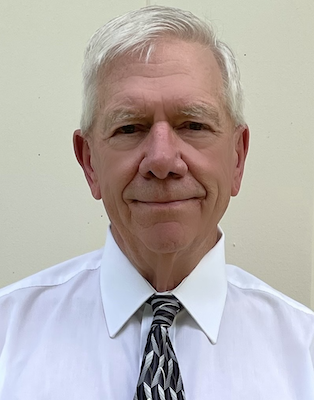 Walters has registered to officiate MHSAA football again this fall, which will begin his 45th year of refereeing or umpiring school sports. He’s a member of the Jackson Area Officials Association, Kalamazoo Officials Association and Southeast Michigan Sports Officials organization, and he has served as a football and baseball trainer in the JAOA while also working more than 100 MHSAA postseason games in those sports including six football and two baseball Finals.
“Chuck Walters is one of the best people I’ve known through officiating. He’s been a leader and mentor for hundreds of officials in the Jackson area over many years,” said MHSAA Executive Director Mark Uyl, who also is a longtime football and baseball official at the high school and college levels. “Chuck is the epitome of what the Vern Norris Award is meant to honor.”
Walters was a three-sport athlete at East Jackson High School – playing football, basketball and baseball – and upon graduating in 1965 took a job with Chrysler at its Proving Grounds in Chelsea. While later coaching his son Chuck in youth baseball, Walters put on a slowpitch softball tournament to benefit the local Little League association – and umpired the bases at those games to help save money so more could go to the organization.
From there, he began filling a need locally for youth umpires. Relationships built in baseball turned into working subvaristy football. After his son graduated from Napoleon, Walters’ Friday nights opened up and he filled that personal sports void by beginning a long and successful career in varsity football as well. He first registered for two years at the start of the 1970s, and returned to register without pause beginning with the 1981-82 school year.
In addition to working youth and high school athletes, Walters has umpired college baseball primarily at the Division II, III and NAIA levels but also in the Big Ten Conference and Mid-American Conference. He also served 35 years as the volunteer clock operator at Napoleon High School basketball games – his current football crew includes multiple former Napoleon athletes or coaches.
Among recommendations for this Norris Award came a letter from his entire crew and another noting Walters continues to mentor 14 current officials while always seeking to introduce opportunities to others.
“I used to go to a lot of college football meetings just to stay current, and they’d talk about this and that and my head would be spinning forever,” Walters said. “We have four new officials in our area starting football this fall, and I know their heads will be spinning when we talk about this and that. My focus will be to get those new officials’ feet on the ground, get them (progressing) step by step by step. Once they get that passion to officiate whatever sport it might be, they just take off.”
Walters received the Al Cotton Award in 2013 from the Jackson Citizen Patriot for his contributions to Jackson-area sports, and was named to the Basketball Coaches Association of Michigan (BCAM) Hall of Fame in 2021 as a “friend of basketball” for his hundreds of games operating the clock.
Walters and his high school sweetheart Judy have been married 57 years, and they have adult children Stacy and Chuck. Walters retired from Chrysler after 32 years and has a car restoration business.
Previous recipients
1992 – Ted Wilson, East Detroit
1993 – Fred Briggs, Burton
1994 – Joe Brodie, Flat Rock
1995 – Jim Massar, Flint
1996 – Jim Lamoreaux, St. Ignace
1997 – Ken Myllyla, Escanaba
1998 – Blake Hagman, Kalamazoo
1999 – Richard Kalahar, Jackson
2000 – Barb Beckett, Traverse City; Karl Newingham, Bay City
2001 – Herb Lipschultz, Kalamazoo
2002 – Robert Scholie, Hancock
2003 – Ron Nagy, Hazel Par
2004 – Carl Van Heck, Grand Rapids
2005 – Bruce Moss, Alma
2006 – Jeanne Skinner, Grand Rapids
2007 – Terry Wakeley, Grayling
2008 – Will Lynch, Honor
2009 – James Danhoff, Richland
2010 – John Juday Sr., Petoskey
2011 – Robert Williams, Redford
2012 – Lyle Berry, Rockford
2013 – Tom Minter, Okemos
2014 – Hugh R. Jewell, West Bloomfield
2015 – Sam Davis, Lansing
2016 – Linda Hoover, Marshall
2017 – Michael Gentry, Shelby Township
2018 – Jill Baker-Cooley, Big Rapids
2019 – David Buck, St. Joseph
2020 – Hugh Matson, Saginaw
2021 – Lewis Clingman, Grand Rapids
2022 – Pat Hayes, Birmingham
MICHIGAN HIGH SCHOOL ATHLETIC ASSOCIATION
20, 30, 40, 45 & 50-YEAR OFFICIALS
The officials on this list are receiving their 20, 30, 40, 45 and 50-year service awards.
20-YEAR OFFICIALS
Allegan – Joseph Munn
Allen Park – James Murdoch
Ann Arbor – Shawna Lorch
Bad Axe – Gary Krause
Bannister – Clyde English
Baraga – Scott Koski
Battle Creek – Lonzo Warren
Bay City – Jason Ruple
Bay City – David Szczypka
Belleville – Michael McCormick
Big Rapids – Marty Shaffer
Blissfield – Steven Babbitt
Bloomfield Township – Richard Dylewski
Bloomfield Village – Maynard Timm
Bridgman – Shane Peters
Brimley – George Jones
Bronson – Brian Case
Bronson – Kevin Gardner
Brownstown Township – Charles Monette
Byron Center – Michael Jager
Cadillac – Demetrio Rojas-Cruz
Chassell – Robert Fay
Chassell – Shana Ruotsala
Chesterfield – Paul McBride
Clarkston – Jamie Rykse
Clarksville – Michael Burgess
Clinton Township – Mark Carney
Clinton Township – Keith Justice
Clinton Township – Brad Thomas
Commerce Township – Robert Foss
Constantine – Jerry Burgess
Cottrellville – Grant Harris
Dearborn Heights – Abasi Sanders
Detroit – Cozette Ealy
Detroit – Cedric Green
Detroit – Delonda Little
Detroit – William Pugh
DeWitt – Mark Kellogg
DeWitt – Adam Miller
Dorr – Dan Heasley
East Lansing – Eric McGaugh
Farmington hills – Kevin Cleveland
Fenton – Paula McAllister
Flint – Rozier Looney
Frankenmuth – Matthew Krause
Freeland – Nick Horn
Fremont – Kevin Holmberg
Gaylord – Michael Switalski
Gobles – Randy Hood
Grand Blanc – Josh Dean
Grand Blanc – Anthony Klinck
Grand Blanc – David Clement
Grand Ledge – Brian Gorman
Grand Rapids – Marc Davis
Grand Rapids – Timothy Gildner
Grand Rapids – Lloyd Kilgore
Grand Rapids – Fritz Owen
Grand Rapids – Debra Rambow
Grand Rapids – James Stokes
Grand Rapids – Michael Underwood
Grand Rapids – Randy Wilson
Grosse Ile – Michael Szczechowski
Grosse Pointe Woods – Douglas Bohannon
Harbor Beach – Jill Fuller
Harrison Township – Kimberly Broski
Hart – Chris Romero
Haslett – Scott Bradley
Haslett – Casey Kern
Hastings – Fred Koning
Highland – Jason Zimmerman
Holland – Jayson Dibble
Holt – Andrew Hoard
Honor – Matt Olson
Horton – Jerry Waddington
Houghton – Gregg Richards
Howell – Anthony Vella
Howell – Nathan Thompson
Hudsonville – Roberto Ortega-Ramos
Ionia – April Holman
Ironwood – Guy Trier
Jackson – Tracy Boyers
Jackson – Troy Fairbanks
Jackson – Daniel Garrison
Jackson – Jim Miller
Jackson – Bernard Nabozny
Jackson – Douglas Richardson
Jenison – Alfred Kennedy
Kalamazoo – Jill Lansky
Kentwood – Andrew Terrien
Kentwood – Rus Tien
Lansing – Oscar Castaneda
Lansing – Steve Crowley
Lansing – Terry Harris
Lansing – Arthur Lilly
Lansing – Keith Rhodabeck
Lansing – Cameron Rodgers
Lathrup Village – Gerald Jones
Livonia – Scott Racer
Macomb – Don Kalpin
Macomb – Terry Prince
Manistique – Joseph Crowder
Manistique – Howard Parmentier
Marlette – Chris Storm
Marquette – John Schultz
Marshall – James Dyer
Marshall – Eric Earl
Marysville – John Schweihofer
Mason – Ammahad Wnaikau
Memphis – Steven Gray
Merrill – Malena Marr
Michigan City – Larry Jordan
Middleville – Darrin Oliver
Midland – Thomas Coatoam
Midland – Alan Huntress
Milan – Jill Hargrove
Milan – Michael St. John
Milford – Jeffrey Garvin
Milford – Larry Walters
Mt. Pleasant – Jeff Siler
Muskegon – Robert Koekkoek
Niles – Cory Gowen
Niles – Glenn Kimmerly
Northville – Doug Doyle
Ortonville – Laurel Kobe
Perrysburg – Gregg Becker
Petersburg – Mike Faunce
Pickford – Marc Andrzejak
Pontiac – Wanda Clayton
Port Austin – Andrew Preston
Portage – Phillip Baker
Portage – Jeff Kirkman
Portage – Mike Lauraine
Portage – Michael Northuis
Reed City – Aaron Keup
Riverview – Gregory Drewno
Rochester – Avoki Omekanda
Rochester Hills – Michael Timko
Rochester Hills – Terry Zangkas
Royal Oak – Linda Mariani
Saginaw – Richard Moody
Saginaw – Charles Smith
Schoolcraft – Nathan DeMaso
Schoolcraft – Reid Jones
South Haven – Ken Dietz
South Haven – Douglas Jones
South Lyon – Elisabeth Tyzo-DePaulis
St. Clair Shores – Chad Kelly
Sterling Heights – Robert Hornik
Sterling Heights – Patrick Radaj
Sterling Heights – Erik Schneider
Sterling Heights – Ernest Sciullo
Sterling Heights – Terry Sheen
Stevensville – Thomas Rivette
Stevensville – Douglas Wegscheid
Swartz Creek – Andrew Palovich
Tecumseh – Eryn Stamper
Temperance – Larry Nocella
Traverse City – Jeffrey Brunner
Traverse City – Jason Meriwether
Traverse City – Thomas Spencer
Trenton – Brian Hill
Trenton – Kevin McMillion
Troy – Glenn Craze
Troy – Patrick Grady
Twin Lake – Mike Vanderstelt
Utica – Edward Kotulski
Wallace – Terry Unti
Walled Lake – Terry Prickett
Warren – Arthur Lynn
Wayland – Joseph Kramer
West Bloomfield – Ilya Beltser
West Branch – Howard Hanft
White Lake – Gregory Waun
Williamston – Kelli Hart
Wixom – Cuba Gregory
Wyoming – Kelli Polinskey
30-YEAR OFFICIALS
Allen – Kent Sanborn
Allen Park – Mark Klein
Alpena – Robert Centala
Alto – Bene Benedict
Bad Axe – Brent Wehner
Baroda – Chris Falak
Battle Creek – John Crumb
Bay City – Stephen Linton
Bay City – Scott Packard
Bay City – Joseph Pietryga
Bessemer – James Trcka
Brooklyn – Gregg Wonderly
Caledonia – Stacy Smith
Center Line – Scott Manteuffel
Charlotte – Val Nelson
Chelsea – Eric VanHevel
Chesterfield – Anthony Mancina
Clinton Township – Barbara Laird
Clinton Township – Scott Walendowski
Comstock Park – Kathy Felty
Davison – James Edgar
Dearborn – Gloria Joseph
Dearborn Heights – Rick Ballnik
Detroit – Joyce Smith
Dowagiac – Scott Stewart
East Lansing – Brent Sorg
Eaton Rapids – Wesley Collins
Essexville – Mark Gentle
Farmington Hills – Robert Dobson
Fenton – Paul White
Flat Rock – Janis Stahr
Flint – Richard Higgins
Flint – John Yelle
Flushing – Jeffrey Straley
Freeland – Terry Schmidt
Grand Blanc – Bernadette Koenig
Grand Blanc – Thomas Le Blanc
Grand Blanc – Leonard Sparks
Grand Rapids – Jacquie DeJonge
Grand Rapids – Jeff Green
Greenville – Darcia Kelley
Grosse Pointe – Ryan Murphy
Grosse Pointe Park – George Markley
Grosse Pointe Woods – Renee Dicristofaro
Hazel Park – Benny Holzman
Hickory Corners – Dean Bostwick
Holt – John Massey
Imlay City – John Forti
Kalamazoo – Julie Jones
Kalamazoo – Mark Kampen
Kingsley – David Lemmien
Lansing – Dee Hammond
Lansing – Robert Mccullem
Livonia – Steve Timm
Manchester – James Connors
Marinette – Neil Motto
Mason – Daniel Carmichael
Mason – Kathy Showers
Mattawan – John Visser
McMillan – Anthony Immel
Midland – Katherine Duso
Monroe – Carolyn Peters
Montague – Stanley Bush
Muskegon – Jacklyn Burr
Muskegon – Chris Calkins
Muskegon – Dennis Danicek
Muskegon – Randall Peters
North Muskegon – Tony Kartes
Ontonagon – Andrew Borseth
Ottawa Lake – Douglas Sanders
Paw Paw – Karla Koviak
Perry – Thomas Montpas
Petoskey – Mark Holland
Pierson – Joseph Williams
Pleasant Lake – Marty Shean
Plymouth – Michael Rossman
Plymouth – Richard Schmidt
Quincy – Candace Cox
Rapid River – Mike Pilon
Rochester – Janette Luttenberger
Rochester Hills – Katherine DiMeglio
Romeo – Mary Milke
Rossford – Steven Agler
Saginaw – Thomas Nichols
Saline – Todd Schultz
Shelby – Todd Fox
Shelby Township – Sheila Brownlee
Shelby Township – Kristi Dean
South Lyon – Michael Kiselis
Sparta – Ryan Huber
St. Clair Shores – Gary Kowalewski
St. Joseph – Terry Myers
St. Joseph – Dave Waaso
Standish – Kimberly Belchak
Stanton – Jason Petersen
Sterling Heights – George Braund
Sterling Heights – John Moceri
Traverse City – Allen Hebden
Utica – Sean Barel
Waldron – Michael Granger
Walled Lake – Donald Magee
Warren – Joseph DiBucci
Washington – Gloria Berger
Wayne – Robert Allen
West Bloomfield – Cynthia Tyzo
Williamston – David Sweeney
Wolverine – David Ashenfelter
Wyandotte – David Shalda
Wyoming – Stephen Hendrickson
Yale – Perry Sutherland
40-YEAR OFFICIALS
Adrian – Doris Goodlock
Allen Park – James Sombati
Battle Creek – Corby O'Leary
Bay City – Tony Biskup
Buchanan – Ronald Bartz
Cedar Springs – Dan Rypma
Charlevoix – Daniel Ulrich
Clark Lake – Ralph Piepkow
Clinton Township – Patrick Crandall
Crystal Falls – Lyle Smithson
Detroit – Aimee Davis
Detroit – John Leidlein
Detroit – Richard Shalhoub
Eastpointe – Wayne Rockensuess
Fort Gratiot – Jeff Klausing
Garden City – Eric Hebestreit
Grosse Ile – Steven Vecchioni
Hancock – Brian Rimpela
Holland – Brent Hoitenga
Hudsonville – Gerald Kuiper
Jackson – Thomas Morrissey
Jackson – Joseph Page
Jonesville – Kirk Snyder
Kentwood – William Meade
Lake Orion – James Weidman
Lansing – Daniel Kitchel
Lapeer – Gary Oyster
Lapeer – Scott Strickler
Macomb Township – William Gerbe
Mayville – Gary Libka
Midland – Bradley Crampton
Newaygo – Clinton Abbott
Ray – David Hines
Reed City – David Erler
Republic – Paul Price
Rockford – Carl Knoop
Rogers City – Karl Grambau
Roseville – Mario Soresi
Saginaw – Michael Mayers
Saginaw – Richard Welzein
Saginaw – Dennis Wildey
Sand Creek – Jack Sager
Sault Ste. Marie – Dale Cryderman
St. Clair Shores – Gerald Garcia
St. Joseph – Bruce Molineaux
Swartz Creek – James Loria
Temperance – Michael Bitz
Traverse City – Barbara Beckett
Walled Lake – Nicholas Lesnau
Waters – Rick Sehl
Ypsilanti – Jerry Kelley
45-YEAR OFFICIALS
Alpena – Scott MacKenzie
Berkley – Charles Tyrrell
Boyne City – Peter Moss
Bronson – Randy Houtz
Brown City – Curt Lowe
Buchanan – Larry Monsma
Burton – Thomas Rau
Cheboygan – Peter Stempky
Conklin – Gary Meerman
East Lansing – Bruce Heeder
Flint – Joseph Johnson
Flushing – David Cowden
Fowler – Dean Schrauben
Frankfort – Peter Olson
Grand Rapids – Todd VandenAkker
Haslett – Heidi Doherty
Holland – Craig Kuipers
Houghton – Roy Britz
Iron Mountain – Robert Barkle
Jenison – James Kerbel
Lake Isabella – James Novar
Linden – John Cross
Madison Heights – Joseph Marcinkowski
Muskegon Heights – Johnny Robinson
Oxford – Donald Maskill
Plymouth – Charles Hempel
Portage – Richard Bird
Portage – Robert Burch
Posen – Donna Couture
Prescott – Charles Wren
Roseville – Robert Iwasko
Shelby Township – Michael Gentry
South Bend – Dale Matteson
South Lyon – Dan Riggs
Taylor – Clayton Conner
Warren – Vern Rottmann
50-YEAR OFFICIALS
Adrian – Gary Laskowsky
Ann Arbor – Michael Parsons
Canton – David Mattingly
Caseville – Daniel Korbutt
DeWitt – Raymond Barnes
Fenton – Hewitt Judson
Fruitport – David Fisher
Kalamazoo – David Turley
Livonia – Steven Boyak
Livonia – John Dunn
Ludington – Roger Chappel
Marlette – Jerry Sauder
Marquette – Gene Aho
Ontonagon – John Gravier
Palmetto – Donald Bourdon
Rodney – Jeffrey Greene
Rogers City – Michael Grulke
Saginaw – Richard Havercroft
South Haven – Robert Linderman
South Lyon – Richard Gibson
Stevensville – Bruce Arter
Traverse City – Tom Post
West Bloomfield – Anthony Magni
Whitehall – Chuck Hulce
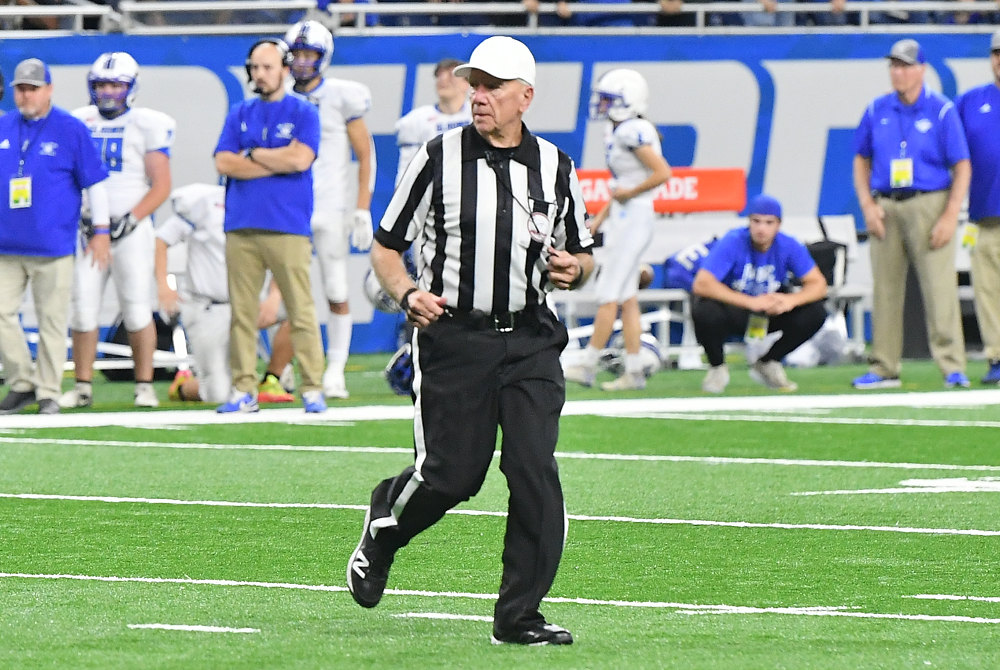
PHOTO Chuck Walters officiates this past season's Division 5 Final.