

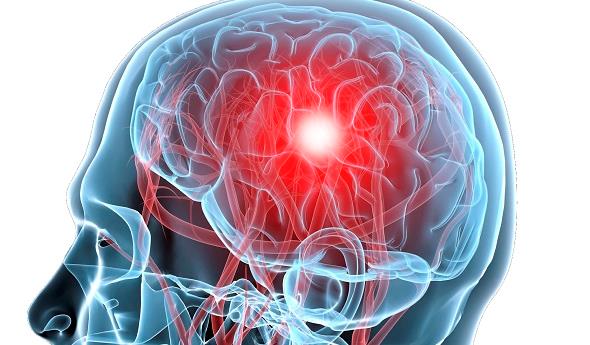
Concussion Care: Signs & Symptoms to Watch
October 27, 2020

Henry Ford Health System
When you experience a blow to the head, knowing whether you've suffered a concussion isn't always clear cut.
Head injuries have a range of physical, psychological and intellectual effects — and only a small number of people lose consciousness.
"It's critical for parents, coaches, players and trainers to recognize the potential signs and symptoms of a concussion," says Jeffrey Kutcher, M.D., a sports neurologist who treats athletes at the Henry Ford Kutcher Clinic for Concussion and Sports Neurology. "The basic rule is that a concussion can affect any aspect of brain function."
Signs of Concussion
The Latin root of the word "concussion" means "to shake violently" — which makes sense. Concussions happen when there's a combination of movement and impact. So, any injury that involves a hit to the head — a fall, collision or hard hit by a heavy object — could cause one. So could a hit to the body that causes the head to move quickly.
"But every brain injury is different," Dr. Kutcher says. "Some symptoms show up right away while others develop gradually over days."
Here are common concussion symptoms to watch for — both immediately following a head injury and in the hours and days after:
Physical Concussion Symptoms
- Changes in sleep patterns
- Difficulty with balance
- Dizziness or lightheadedness
- Fatigue
- Headache
- Light sensitivity
- Nausea
- Numbness or tingling
- Sensitivity to sound
- Visual problems
- Vomiting
Emotional Concussion Symptoms
- Anxiety
- Depression
- Irritability
- Mood swings
Cognitive Concussion Symptoms
- Confusion
- Difficulty concentrating
- Feeling "slow" or "foggy"
- Memory problems
Diagnosing Concussion: Getting It Right
One reason concussions are frequently misdiagnosed is because they're assessed on the field or courtside during game play or practice. Coaches, trainers and parents often make lightning fast decisions about whether symptoms, such as headache, nausea and light sensitivity, are signs of concussion.
"Unfortunately, it’s more complicated than completing a concussion checklist. Everyone — and every concussion — is different. So, observers shouldn’t be diagnosing a head injury on the spot, but rather making a triage decision for safety. They should leave the diagnosis to the medical professionals," Dr. Kutcher says. In fact, those in-the-moment assessments are wrong about half of the time.
People should focus instead on getting immediate, emergency care for anyone who displays the following signs and symptoms right after a hit:
- Difficulty walking
- Weakness on one or both sides
- Not waking up
- Repeated vomiting
- Persistent confusion
- Seizures
- Unconsciousness
No matter how hard (or lightly) you think you've been hit, it's important to take head injury symptoms seriously. Even a seemingly minor blow could have a major impact. A complete evaluation by a medical professional will not only determine whether you have a concussion, it can also identify more serious, or even life-threatening, concerns.
"In every case, medical professionals are better equipped to assess the extent of the damage if you have a comprehensive baseline evaluation on file," Dr. Kutcher says. This thorough evaluation with a sports neurologist, including a complete family and neurological history, can act as a critical point of reference when trainers and medical professionals are trying to diagnose or manage a concussion.
Dr. Jeffrey Kutcher is a sports neurologist and the medical director of the Henry Ford Kutcher Clinic for Concussion and Sports Neurology.
Want to learn more? Henry Ford Health System sports medicine experts are treating the whole athlete, in a whole new way. From nutrition to neurology, and from injury prevention to treatment of sports-related conditions, they can give your athlete a unique game plan.
Visit henryford.com/sports or call (313) 972-4216 for an appointment within 24 business hours.
Choose the Right Sports Medicine Expert
July 7, 2020
By Christina Eyers, Ed.D., AT, ATC
Henry Ford Health System
If you're an athlete, chances are you'll require specialized care from a health professional during your career.
Confused about the differences between athletic trainers, sports medicine physicians and exercise physiologists, among other experts? You're not alone!
Each of these professionals has different levels of training, expertise and certifications, but the care they provide often overlaps. That's one reason why they often work together.
Sports Professionals Defined
Caring for athletes isn't always clear-cut. In fact, most athletes require a full team of professionals working in concert to stay at the top of their game. Yet confusion remains about which professionals you need to see for training, injury prevention, and recovery and treatment after an injury.
Each type of professional has its own set of experience, training and certifications. Here’s how they measure up:
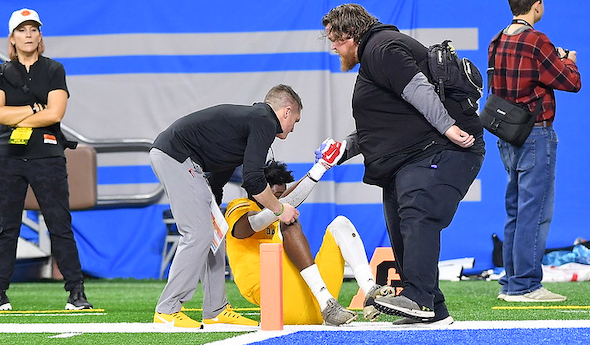
· Sports medicine doctor: Sports medicine physicians are typically trained in orthopedic surgery, primary care or emergency medicine. These professionals have medical degrees as well as specialized training in sports medicine, including the prevention and treatment of injury. In addition to caring for conditions ranging from concussion to head colds, sports medicine physicians also focus on helping people return to sports safely and effectively after illness or injury.
· Athletic trainer: Athletic trainers take care of athletes from prevention through rehabilitation. In collaboration with a physician, these professionals offer insights that help minimize risk and prevent injuries. They evaluate athletes and provide immediate care and treatment, sometimes even on the sidelines. They also provide rehabilitation and reconditioning after an injury or illness.
· Exercise physiologist: Exercise physiologists study the effect of exercise on the muscular, cardiovascular, and sympathetic and parasympathetic nervous systems. They examine functional capacity and strength due to endurance training or strength training. These professionals may also test athletes for VO2max (your oxygen volume while training) and body composition (the ratio of fatty mass to lean mass).
· Physical medicine and rehab physician: These professionals treat a variety of medical conditions that affect the brain, spinal cord, nerves, bones, joints, ligaments, muscles and tendons. They take the whole body into account to pinpoint problems and enhance performance without surgery.
· Physical therapist: Physical therapists diagnose and treat individuals of all ages with conditions that limit their ability to move and perform daily activities.
Other Specialized Professionals Who Care for Athletes
In addition to the health care professionals described above, athletes may meet with a host of experts, including:
· Nurses and medical assistants
· Occupational therapists
· Cardiologists
· Neurologists
· Behavioral health specialists
· Dietitians
· Complementary medical practitioners, such as acupuncturists and chiropractors
None of these individuals are "fitness professionals," a term nearly anyone can use to describe a range of professional activities. Rather, these sports medicine experts are part of a comprehensive team that includes at least one physician. They are each licensed by the state to provide specialized care to athletes.
Personal trainers, on the other hand, focus on helping people find their way around the gym, hold them accountable to achieve their goals and help new exercisers and seasoned fitness enthusiasts stick to a workout regimen.
If you're an athlete, you need a team of health professionals who can provide comprehensive care to reach your highest potential.
Christina Eyers, Ed.D., AT, ATC, is the Director of Athletic Training & Community Outreach with Henry Ford Sports Medicine.
Want to learn more? Henry Ford Health System sports medicine experts are treating the whole athlete, in a whole new way. From nutrition to neurology, and from injury prevention to treatment of sports-related conditions, they can give your athlete a unique game plan.
Visit henryford.com/sports or call (313) 972-4216 for an appointment within 24 business hours.