

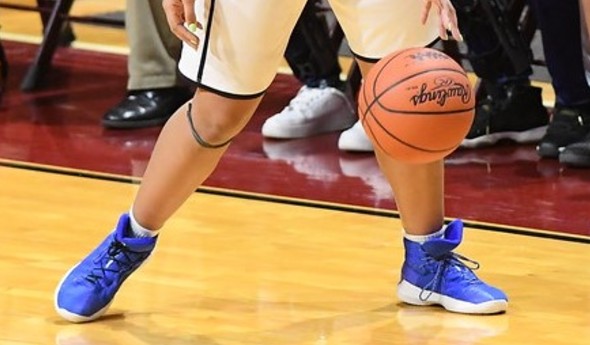
Navigating Twists, Turns Of Ankle Sprains
November 30, 2020

Henry Ford Health System
Oh, how the ankle turns! If you’ve had a misstep or wrong turn result in a sprained ankle, you know how painful this injury can be. Henry Ford podiatric surgeon Paul Di Liddo, DPM, discusses ankle sprains and treatments.
Ankle Injury 101
From risk factors to treatments (and nearly everything in between), here’s what to know — and do — about ankle sprains.
Sprained Ankles Are Painfully Common
In fact, they’re among the most frequent injuries in the United States, with up to 25,000 people per day spraining their ankles. Although often associated with sports, ankle sprains can happen to anyone, anywhere. “I see ankle sprains from tripping over curbs, stepping in holes in a yard or simply walking,” says Dr. Di Liddo. “Ankle sprains — like accidents — happen.”
Ankle Sprains Injure Ligaments
“Ankle sprains occur when the ankle suddenly and forcefully twists or rolls past a point that the ankle ligaments can tolerate,” remarks Dr. Di Liddo. “The ankle ligaments will stretch or tear, either partially or completely.” An ankle can twist, turn or roll during a fall, jump or change of direction, while walking on uneven ground and more.
A Weak Ankle Is A Vulnerable Ankle
Most sprained ankles heal without long-term concern. In some cases, however, ligaments may not fully heal, resulting in a weak or unstable ankle. “A weak or unstable ankle can make an individual more susceptible to repeated ankle sprains,” explains Dr. Di Liddo.
High Arches Can Be Risky Business
People who have high-arched feet are more at risk of rolling — and therefore spraining — their ankles. So are people who have “loose joints,” because the ankle can overstretch with a seemingly minor twist. People who are at-risk for ankle sprains should take extra precautions when playing sports or performing other activities.
Some Sprains Can Be Treated At Home — Emphasis On Some
How you treat a sprained ankle depends on the severity of the injury. Minor sprains can be treated at home with the RICE method. The RICE method include:
- Rest by avoiding use of the injured ankle
- Ice applied to the ankle (without touching the skin) for no more than 20 minutes every three to four hours
- Compression with an elastic bandage
- Elevation above the heart
Ice, compress and elevate your ankle for the first few days. Rest and refrain from sports until ankle pain and swelling have subsided.
At-home treatments aren’t right for everyone — or every ankle injury. “A swollen ankle is typical if you have experienced a sprain,” says Dr. Di Liddo. “However, if you have severe ankle swelling, are in extreme pain or notice an odd ankle appearance, seek medical attention.” This is also true if you can’t walk more than a few steps or have limited ankle mobility. A foot and ankle specialist can diagnose your injury and begin treatment.
Ankle Treatments Abound
Ankle sprain treatments are designed to decrease pain and swelling, while protecting the ligaments from further injury. Treatments include wearing an ankle brace, walking boot or cast. Physical therapy to strengthen the ankle and maintain range of motion may also be incorporated after the ligaments have started to heal.
“Of course, for more severe injuries, a thorough physical exam and X-rays are necessary,” says Dr. Di Liddo. “This helps ensure that there is no other underlying injury, such as a fractured ankle or Achilles tendon rupture.”
Healing Times Vary
The recovery time for a sprained ankle depends on the severity of the injury. Sprains with minimal ligament stretching and no tear require one to three weeks. Partially torn ankle ligaments may take up to six to eight weeks to heal. A fully torn ligament can take several months to fully heal.
What To Do When Ankle Problems Persist
For people who continue to experience ankle instability, there are a host of options. “Physical therapy is the first step — but not the only one,” says Dr. Di Liddo. “If physical therapy has not been beneficial, we can discuss surgical approaches.”
Surgical options include:
- Ligament repair or reinforcement via an outpatient procedure
- Osteotomy, which is surgical cutting of bone, to lower arches when ankle instability is caused by high arches
For those with frequent ankle sprains or instability, a medical assessment is necessary and may include:
- Physical exam
- X-rays to assess bones and joints
- MRI to evaluate ankle ligaments
With this information in mind, you can prevent — or address — the twists and turns of ankle sprains.
Want to learn more? Henry Ford Health System sports medicine experts are treating the whole athlete, in a whole new way. From nutrition to neurology, and from injury prevention to treatment of sports-related conditions, they can give your athlete a unique game plan.
Visit henryford.com/sports or call (313) 972-4216 for an appointment within 24 business hours.
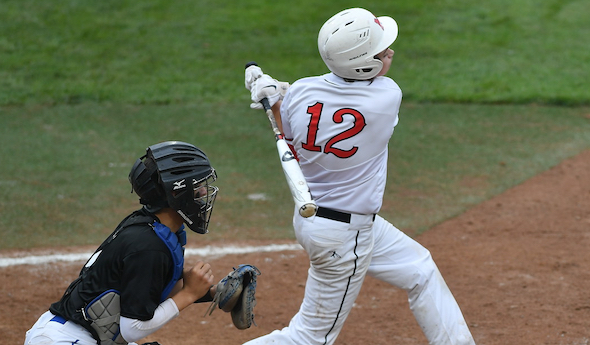
Play it Safe: Basics of Proper Helmet Use
February 4, 2020
Henry Ford Health System
If you or your child plays sports or participates in physically risky activities, wearing a helmet could be lifesaving. While no helmet is concussion-proof, wearing one can help reduce the risk of serious head injuries.
"Helmets are made with materials that help reduce impact to the head, protecting the skull from damage," says Jeffrey Kutcher, M.D., a sports neurologist who treats athletes at the Henry Ford Kutcher Clinic for Concussion and Sports Neurology. "You should be wearing a helmet whether you're playing a contact sport or riding something on a hard surface, such as a bike, scooter, skateboard or rollerblades."
Head Injury Prevention 101: Helmet Buying Basics
All helmets are certified at the same level for multi-use recreational activities. So there's no need to search for a specific seal or rating. Instead, when you're purchasing a helmet — or getting one second-hand — focus on these four factors:
How you’ll use it:
Pay attention to the risks involved with the activity you're doing. If you're biking, skiing or snowboarding, for example, you're wearing a helmet in case you get hit, not because you'll get hit.
There are two types of helmets: single-impact and multiple-impact. Single-impact helmets are made with foam materials that break down when hit as part of their force mitigating strategy. These helmets work well for bicycling, skateboarding, skiing or snowboarding. Multiple-impact helmets, such as those designed for sports like football, hockey and lacrosse, can withstand many hits over an entire season. The materials in these helmets don't break down, but rather compress and regain their original form.
"A helmet may perform better in the lab — for example, the dummy brain will experience 98Gs of force instead of 100Gs — but 2Gs of force probably won't make enough of a difference with a one-time injury," Dr. Kutcher says. "But 2Gs less force per hit for a linebacker who suffers multiple blows on a daily basis for many years? That could make a big difference.”
If football is your sport, the National Football League provides a helmet rating system that assesses helmets based on their ability to mitigate force over time.
How it fits:
Helmets fit differently depending on the make, style and type of sport they’re made for. "The key is making sure the helmet covers the entire skull and doesn't move around when in use," Dr. Kutcher says. The helmet should sit on the head without falling forward or backward. If you're relying only on a chinstrap to keep it in place, you don't have the right fit.
How comfortable it is:
Not all helmet brands fit every head. Helmet designs vary just like running shoes do. When you're shopping for a helmet, make sure it's snug, but not tight or uncomfortable. Comfort is critical, especially for kids. "You don't want a child to develop a negative association with wearing a protective helmet," Dr. Kutcher says.
What condition it’s in:
To get the most protection, your helmet should be in top condition. Do not wear a cracked or broken helmet, or one that has been involved in a crash or similar event (unless it's a multiple-impact design). An impact can crush foam materials. And don't allow the helmet to get too hot or cold — that can cause the materials to break down over time.
Get the Best Helmet Fit for Your Head
Properly wearing a helmet provides the greatest defense against injury — more than any style or brand. To make sure your helmet is secure, follow these rules:
· Measure head circumference: Every helmet brand provides a size chart, along with instructions about how to select the best fit. To get the best measurement, use a cloth tape to measure your head circumference. Place the tape about an inch above the eyebrows, keeping it level from front to back. If the measurement falls between sizes, select the smaller size.
· Pay attention to hairstyles: Make sure to try the helmet on with the hairstyle you'll have during the activity. A long-haired bike rider who gets a short haircut may require a helmet adjustment.
· Watch your vision: The helmet should not block your vision. You should be able to see straight ahead and side to side.
To Wear a Helmet or Not To Wear a Helmet: When to Play It Safe
There are several sports that don't require wearing a helmet. But if you or your child is involved in rugby or soccer, or another sport where helmets are optional, that doesn’t mean you're in the clear.
"It's important to base any decision about whether or not to wear a helmet in conjunction with your sports neurologist," notes Dr. Kutcher. "Your past medical history and current health status may still warrant the use of a helmet."
Unsure whether you're at risk of sustaining a head injury? Get a brain health baseline evaluation. Proper consideration of your brain health includes a physical examination, along with a personal and family medical and neurological history. It also offers you an opportunity to learn how to best protect your head.
Related Topic: 7 Tips for Recovering Mentally After a Sports Injury
Dr. Jeffrey Kutcher is a sports neurologist at the Henry Ford Concussion and Sports Neurology Clinic and the global director of the Kutcher Clinic.
Want to learn more? Henry Ford Health System sports medicine experts are treating the whole athlete, in a whole new way. From nutrition to neurology, and from injury prevention to treatment of sports-related conditions, they can give your athlete a unique game plan.
Visit henryford.com/sports or call (313) 972-4216 for an appointment within 24 business hours.