


NFHS Voice: Coaches, ADs Keys to Success
December 3, 2019
By Karissa Niehoff
NFHS Executive Director
This fall, one school canceled the remainder of its football season after reports of hazing surfaced. There have been several incidents of high school student-athletes using racial slurs against members of the opposing teams. As we have noted previously, there have also been multiple reports of parents verbally and – in some cases – physically abusing officials, along with several cases of coaches allegedly running up scores. And then there was the bizarre case of a suspended player appearing in a game disguised as another player.
On the positive side, there was a cross country runner who stopped at the one-mile mark of a race to assist a competing runner who had collapsed and was unresponsive. He didn’t finish the race, but he saved the life of the competing runner.
After the completion of a recent football game, one player on the winning team found his friend on the other team who had just lost his mother to cancer to comfort and pray with him. There have also been cases of schools helping other schools that were hit with tragedies, such as the fires in California.
And earlier this year a high school golfer who, after signing her scorecard, noticed on the app that her partner had entered an incorrect score for her on one hole. She could have kept quiet and retained her top-10 finish, and most likely no one would have noticed. Instead, she reported the error and was disqualified. She later was honored by her school for doing the right thing.
Fortunately, there are far more good acts of sportsmanship that happen in high school athletics and activity programs; however, the unsportsmanlike displays tend to make more headlines and sometimes overshadow the great things that are occurring.
The key individuals in schools who are responsible for making education the central theme of the athletic program are the athletic directors and coaches. If coaches are more committed to helping student-athletes become responsible citizens than helping them perfect an athletic skill, and if athletic directors are committed to an education-based philosophy, the likelihood of unsportsmanlike incidents such as those mentioned above is minimal.
What’s the measure of success for a high school coach – winning 80 percent of the games, bringing home multiple state championships, being named coach of the year several times? As long as success on the fields or courts is done in accordance with an education-based philosophy, this would be an award-winning biographical sketch.
The win-loss record aside, however, how about also considering the consistent teaching of values, character and lifelong lessons that would place his or her teams in consideration for sportsmanship awards and his or her student-athletes on the paths to successful lives after high school?
The NFHS has several free online education courses to assist coaches and athletic directors in leading an effective education-based program. “Engaging Effectively with Parents,” “Sportsmanship” and “Bullying, Hazing and Inappropriate Behaviors” are among the many courses at www.NFHSLearn.com. In addition, “Fundamentals of Coaching” is the core course that every interscholastic coach should complete.
When a school district is looking to hire a high school athletic director or coach, we would suggest finding someone more committed to an education-based philosophy than hardware in the trophy case.
Dr. Karissa L. Niehoff is in her second year as executive director of the National Federation of State High School Associations (NFHS) in Indianapolis, Indiana. She is the first female to head the national leadership organization for high school athletics and performing arts activities and the sixth full-time executive director of the NFHS, which celebrated its 100th year of service during the 2018-19 school year. She previously was executive director of the Connecticut Association of Schools-Connecticut Interscholastic Athletic Conference for seven years.
Add Rest Days to Your Workout Routine
June 2, 2020

Henry Ford Health System
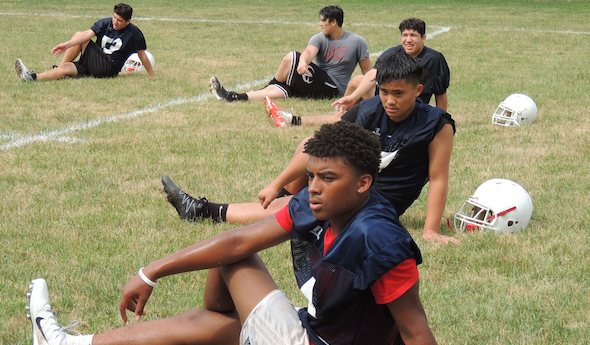
Whether you're new to exercise or a seasoned enthusiast, it's tempting to adopt an all-go, no-quit attitude. This is especially common when you're are trying to achieve a fitness goal. Maybe you want to run a 5K, or maybe you have 10 pounds you want to shed before going on vacation.
"Whatever the driver, it's important to remember that scheduling time for rest and rejuvenation is a critical component of any workout regimen," says James Moeller, M.D., a sports medicine specialist at Henry Ford Health System.
Building in Rest Days
From high-intensity interval training (HIIT) and spin to barre and Zumba, popular workouts increasingly push exercisers to go faster, longer, stronger. This prolonged physical stress can lead to overuse injuries, such as stress fractures, muscle strains and joint pain. Excessive exercise can also lead to hormonal changes, disrupted sleep patterns, decreased immunity and mood swings.
“Working out, especially resistance training, breaks tissues down, causing microscopic damage,” Dr. Moeller says. "Rest days allow your muscles time to rebuild."
So how much rest do you really need? There isn't a one-size-fits-all prescription. Factors like your age, fitness level, the intensity of your workout and the amount of training you do weekly will impact the amount of recovery time you need. But there are some basic guidelines for rest days:
1. Go easy: Rest is a relative term. "It's not just sitting on the couch with an iced tea," says Dr. Moeller. "You may still be exercising on 'rest' days, but at a lower intensity." Maybe you go for a brisk walk or ride your bike to work. Take a yoga class or do some dynamic stretching. The key is to make sure you're not overworking the same body parts.
2. Get sufficient sleep: Sleep is a key component of muscle repair and rebuilding. During sleep, your body’s production of growth hormone increases. Not getting quality shuteye thwarts your body's production of growth hormone and can impact your performance.
3. Give overtaxed muscles a break: You don't need to skip the gym on specific days each week, but you do need to rotate which body parts you're working. The general rule is to give muscles 48 hours to recover after a workout. So it's a good idea to take two to three days off before working the same muscle groups again.
4. Stay hydrated: Make sure to restore lost fluids before, during and after a workout. Dehydration can lead to overheating, headaches and muscle fatigue, among other ailments. You don’t need a sports drink; water is best. "Sports drinks aren't required unless you're getting into very high intensity activity, or exercising for more than one hour at a time," Dr. Moeller says.
5. Pay attention to your body: A lot of people try to work out through pain and fatigue. If there's a heaviness to your movements, or if you feel like your muscles are not responding appropriately to the stress you're providing, take a time out. "It's really about learning to read your body's signals," says Dr. Moeller.
Health authorities and news headlines widely publicize the health benefits of exercise — and the consequences of inactivity. The American Heart Association recommends that adults get at least 150 minutes of moderate-intensity exercise per week, plus strength training two or three days per week. Less discussed are the negative effects of not allowing your body sufficient time to rest.
Getting sufficient rest between workouts is just as important as participating in regular exercise. "Both are part of the total process required to build strength, endurance and muscle mass," Dr. Moeller says.
Want to learn more? Henry Ford Health System sports medicine experts are treating the whole athlete, in a whole new way. From nutrition to neurology, and from injury prevention to treatment of sports-related conditions, they can give your athlete a unique game plan.
Visit henryford.com/sports or call (313) 972-4216 for an appointment within 24 business hours.