

Workout Basics: Warm-Ups & Cool-Downs
February 3, 2021

By Nick Parkinson, M.Ed., AT, ATC, TSAC-F
Henry Ford Health Systems
You may know a good warm-up — and cool-down — are essential to getting a good workout. You may also know that warming up your muscles and stretching them out after exercise can help prevent injury and keep you at the top of your game.
They’re the two bookends that help maximize a workout. Unfortunately, a lot of exercise enthusiasts don’t know how to warm up and cool down correctly.
Warm-Up Basics
A warm-up is exactly what it sounds like: The goal is to warm up your muscles and prepare your body for whatever you’re asking it to do. Warming up increases your body temperature and helps blood flow to the muscles that you’re using.
So if you’re going to play soccer, your warm-up should touch all of the muscles in your legs and core. Shooting hoops? You’ll need to add shoulders and arms to your routine. Circuit training at the gym? Choose a warm-up that flexes all of the muscles you’re about to use.
The thing that all warm-ups have in common is that they require dynamic (or constantly moving) motion, not static stretching (holding poses for a certain amount of time). In fact, static stretching prior to a workout can inhibit power and strength, especially if you’re doing something like weightlifting.
The anatomy of a solid warm-up:
• Before any activity, do about 10 minutes of light cardiovascular activity, whether walking, biking or jogging.
• Dynamic stretches. After you get your muscles moving, do a series of lunges, jumping jacks or toe touches to stretch a bit.
• Dive in. When you start your workout, begin slowly and gradually increase power and speed.
Cool-Down Basics
After you’ve put your body through a challenge, a good cool-down is essential. It helps slow down your heart rate gradually, relax your muscles and stretch them out.
Cool-down routines should always include some type of motion before you get to static stretching, especially if you’ve just finished a high-intensity workout. Static stretching improves flexibility and performance and it can also help stave off future injury.
As with warm-ups, the right cool-down exercises depend on the activity you engaged in. If you biked for 20 miles, you might coast on your cycle for a while before coming to a stop. If you ran, you might jog or walk before you begin stretching. As with your warm-up, the key is addressing every muscle group you worked during your workout.
The anatomy of a solid cool-down:
• At the end of your workout, slow the pace and intensity of whatever activity you’re doing. So, if you’re running, slow to a jog and then a walk for 5 to 10 minutes before stopping.
• Stretch out the muscles you work, but don’t push past the point where you feel tight. Then, hold the position for at least 30 seconds. That’s how long it takes for the body to overcome its stretch reflex.
• Breathe through your stretches and make sure to finish your cool-down with deep, belly breaths.
Running short on time? Target muscle groups you may have injured in the past or that tend to get sore after activity. Cooling down will preserve your athleticism — and your ability to participate in daily activities — over the long term.
Be Good to Your Body
While there’s some controversy about whether warming up and cooling down can help prevent injury, there’s little dispute that they can help you ease in and out of activity.
The key is to find something that works for you. Your warm-up could be as simple as walking to the gym and doing a set of jumping jacks when you arrive. Your cool-down might just involve ending your workout 10 minutes early so you can slow down.
It doesn’t have to be complicated. It just has to give your heart and blood vessels a chance to breathe before and after activity.
Nick Parkinson, M.Ed., AT, ATC, TSAC-F, is the Supervisor of Athletic Training with Henry Ford Sports Medicine and also leads Sports Performance training at the William Clay Ford Center for Athletic Medicine. Learn more about Nick.
Want to learn more? Henry Ford Health System sports medicine experts are treating the whole athlete, in a whole new way. From nutrition to neurology, and from injury prevention to treatment of sports-related conditions, they can give your athlete a unique game plan.
Visit henryford.com/sports or call (313) 972-4216.
Coach's Guide to Nutrition: Fuel with School Lunch
July 23, 2024
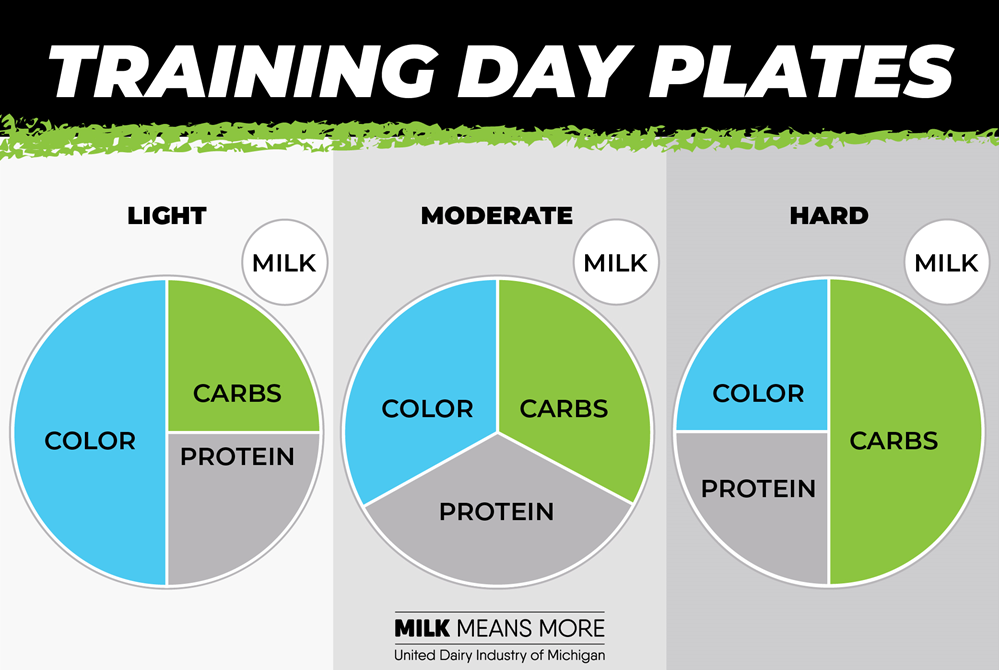
School lunches can provide a number of healthy options for student-athletes and students in after-school clubs and activities. Fueling your brain is just as important as fueling your body. By eating lunch at school every day and including milk, protein, carbs, and color, you are setting yourself up for success on the field and in the classroom.
 School meals are a great option for student-athletes because they are planned with growing bodies in mind. Your athletes might need a second meal or additional snacks, though, if they are still hungry or are not meeting their calorie needs.
COACHES: Contact your school's food service department to learn how they can support your team’s nutrition goals.
School lunches are made with student nutrition in mind!
Information above is excerpted from UDIM’s A Coach’s Guide to Nutrition.