

Be the Referee: 3 Seconds
By
Sam Davis
MHSAA Director of Officials
January 9, 2024
Be The Referee is a series of short messages designed to help educate people on the rules of different sports, to help them better understand the art of officiating, and to recruit officials.
Below is this week's segment – 3 Seconds - Listen
If a basketball team has a good post player, you’ll usually hear the opposing crowd call for “three seconds.” But what is “three seconds,” and when should it be called?
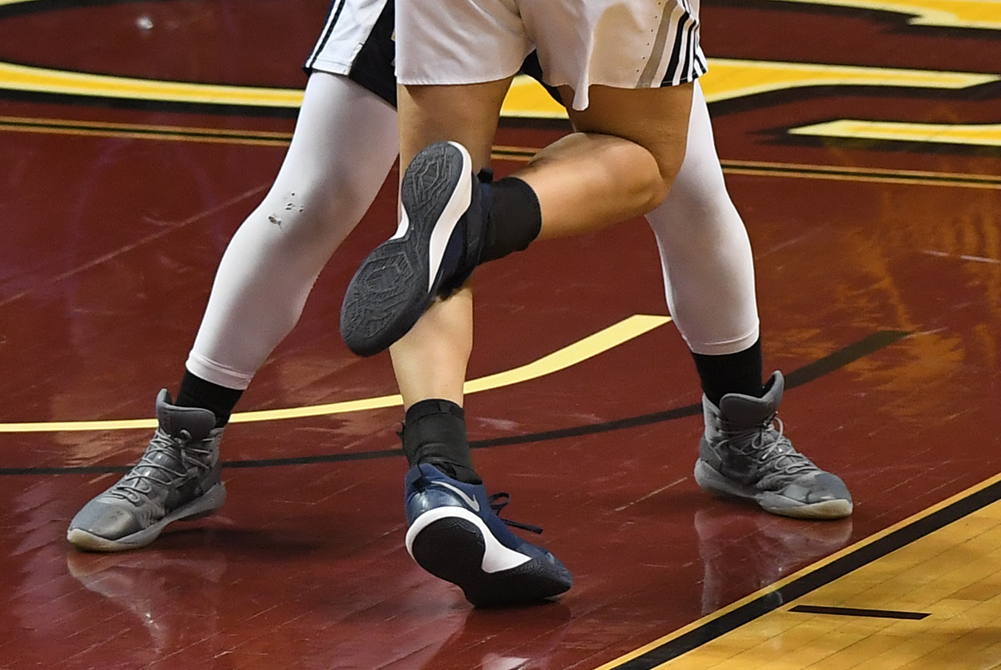
A three-second violation occurs when a player is in the lane for more than three seconds. But it’s not always that easy. First, a player can leave the lane and then re-establish position, re-setting the three-second clock. To establish position outside the lane, the player must have both feet on the playing surface, outside of the lane. It won’t reset the count if it’s one foot outside the lane and the other foot in the air.
Also, during a throw-in or while dribbling, attempting a shot, or rebounding, there is no three-second count. The count does not start again until the offense has control of the ball in the frontcourt.
Previous Editions
Dec. 19: Unsuspecting Hockey Hits - Listen
Dec. 12: No More One-And-Ones - Listen
Nov. 21: Football Finals Replay - Listen
Nov. 14: Volleyball Unplayable Areas - Listen
Nov. 7: Pass/Kick Off Crossbar - Listen
Oct. 31: Cross Country Interference - Listen
Oct. 24: Soccer Overtime - Listen
Oct. 17: Tennis Spin - Listen
Oct. 10: Blocked Kick - Listen
Oct. 3: Volleyball Double & Lift - Listen
Sept. 26: Registration Process - Listen
Sept. 20: Animal Interference - Listen
Sept. 13: Feet Rule on Soccer Throw-In - Listen
Sept. 6: Volleyball Jewelry - Listen
Aug. 30: Football Rules Similarities - Listen
Aug. 23: Football Rules Differences - Listen
Be the Referee: Basketball Over the Back
By
Sam Davis
MHSAA Director of Officials
January 13, 2026
Be The Referee is a series of short messages designed to help educate people on the rules of different sports, to help them better understand the art of officiating, and to recruit officials.
Below is this week's segment – Basketball Over the Back - Listen
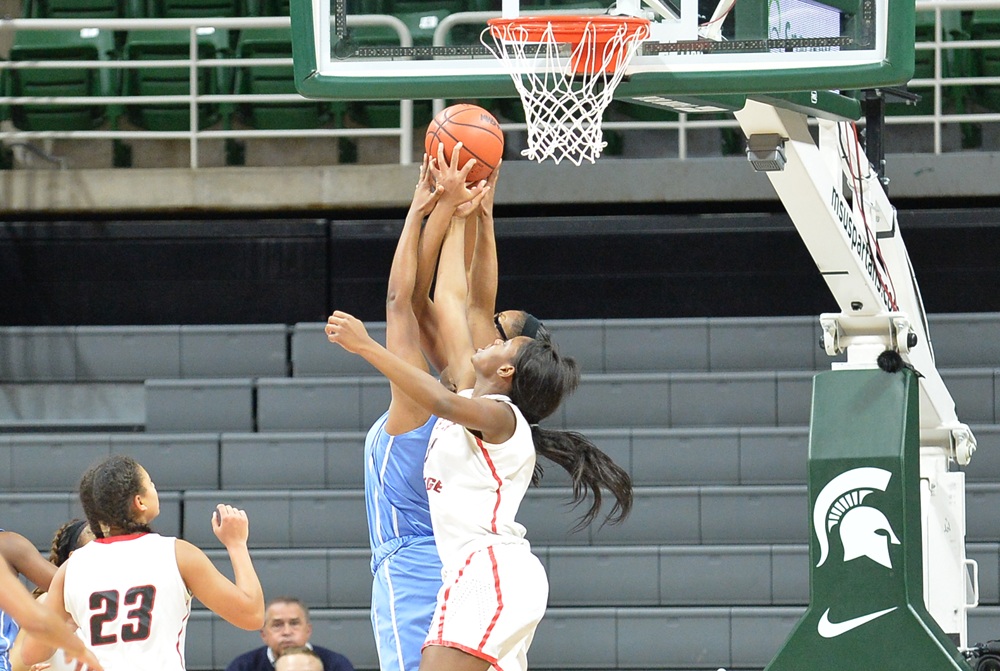
Did you know there is no such thing as “over the back” in basketball? If two players are going for a rebound and the player behind another player is able to grab it over the top of the player in front – that’s not necessarily a foul. He or she did not go over the back.
The player behind another player may have committed a foul such as bumping the player in front, or pushing that player – gaining an advantage to grab the rebound – but that would be whistled for a push or grab. Not over the back.
A taller player or player who can jump higher grabbing a rebound is not a foul. It’s only a foul if they create an advantage by pushing, bumping, or any other kind of illegal contact while in the process of going for a rebound. Fans yell over the back all the time, but an official will never call a foul for going over the back.
Previous 2025-26 editions
Jan. 6: Bowling Ball Bounces Out of Gutter - Listen
Dec. 9: Puck on Goal Netting - Listen
Dec. 2: Goaltending vs. Basket Interference - Listen
Nov. 25: Football Finals Instant Replay - Listen
Nov. 18: Volleyball Libero Uniforms - Listen
Nov. 11: Illegal Substitution/Participation - Listen
Nov. 4: Losing a Shoe - Listen
Oct. 28: Unusual Soccer Goals - Listen
Oct. 21: Field Hockey Penalty Stroke - Listen
Oct. 14: Tennis Double Hit - Listen
Oct. 7: Safety in Football - Listen
Sept. 30: Field Hockey Substitution - Listen
Sept 23: Multiple Contacts in Volleyball - Listen
Sept. 16: Soccer Penalty Kick - Listen
Sept. 9: Forward Fumble - Listen
Sept. 2: Field Hockey Basics - Listen
Aug. 26: Golf Ball Bounces Out - Listen