


Representative Council Approves Expansion of Personal Branding Activities for Student-Athletes
By
Geoff Kimmerly
MHSAA.com senior editor
January 27, 2026
The Representative Council of the Michigan High School Athletic Association has approved an expansion of personal branding activities (PBA) – also commonly referred to as Name-Image-Likeness (NIL) – allowing student-athletes at MHSAA member schools, effective immediately, to potentially benefit from such opportunities.
The MHSAA previously allowed some PBA opportunities, including the abilities for student-athletes to conducts camps, clinics and private lessons. The expanded policy allows student-athletes to capitalize on PBA through several more options as long as those activities are individual opportunities for individual students – while not disrupting competitive equity that would result from the creations of group activities including collectives and other pay-for-play opportunities now the norm at the collegiate level.
The topic of PBA/NIL had been discussed at length with membership over the last three years during MHSAA Update meetings and various other conferences with schools and their administrators. The Council had debated the possibility of these rule changes since the Michigan Legislature proposed amending state law to allow for student-athletes’ use of NIL in 2023, and also after closely monitoring similar developments in surrounding states.
“We have said from the start of this conversation that the MHSAA could be comfortable with a policy that provides individual branding opportunities for individual student-athletes, and this rule change provides those while excluding the possibility of collectives, and boosters and school people getting involved in those activities,” MHSAA Executive Director Mark Uyl said. “This is the essence of what NIL was supposed to allow in the first place, and we’re confident we’ve crafted language that allows true NIL opportunities without affecting competitive equity among our member schools.”
Additional activities allowed by the new PBA policy include social media endorsements and promotions, personal appearances, photo sessions or autograph signings; modeling, advertising, merchandise, sports cards or apparel sales; and the use of a student’s name, image or likeness in marketing materials.
PBA activities must be consistent with MHSAA rules and school policies. A student-athlete may not capitalize on PBA based on athletic performances, awards/recognition, team participation or competition outcomes. A student-athlete also may not involve school names, logos, mascots, trademarks or other obvious identifiers, uniforms or other intellectual property, and PBA activity may not occur during school attendance or any MHSAA event (including practice) and cannot take place on school property or be promoted on school media channels.
Schools, including coaches and other employees, are not allowed to solicit, arrange, negotiate or promote PBA activities on behalf of their student-athletes. Doing so may put that school’s MHSAA membership in jeopardy, in addition to rendering that student-athlete ineligible for MHSAA athletics.
“The MHSAA will guard the competitive equity we have promoted for more than 100 years, and take with the utmost seriousness any attempts to break or blur this rule,” Uyl said. “We have provided clear language and sufficient guidance on what is allowed to assist our schools as they navigate this ever-changing landscape.”
PBA associated with products, services, individuals, companies or industries deemed inappropriate, unsafe or inconsistent with the values and goals of interscholastic athletics, as determined by the MHSAA – for example gaming or gambling, alcoholic beverages and banned substances – are also prohibited.
All PBA activities must be disclosed to the MHSAA within seven days of an opportunity or contract for disclosure and approval. Schools may choose to have stricter rules regarding PBA if they choose to do so.
For more details on what is and what is not allowed, and frequently asked questions about PBA in regards to MHSAA regulations, visit the MHSAA Name, Image, Likeness page.
The Representative Council is the legislative body of the MHSAA. All but five members are elected by member schools. Four members are appointed by the Council to facilitate representation of females and minorities, and the 19th position is occupied by the Superintendent of Public Instruction or designee.
The MHSAA is a private, not-for-profit corporation of voluntary membership by more than 1,500 public and private senior high schools and junior high/middle schools which exists to develop common rules for athletic eligibility and competition. No government funds or tax dollars support the MHSAA, which was the first such association nationally to not accept membership dues or tournament entry fees from schools. Member schools which enforce these rules are permitted to participate in MHSAA tournaments, which attract more than 1.4 million spectators each year.
2026 Scholar-Athlete Award Recipients Announced in Class C & D
By
Geoff Kimmerly
MHSAA.com senior editor
February 3, 2026
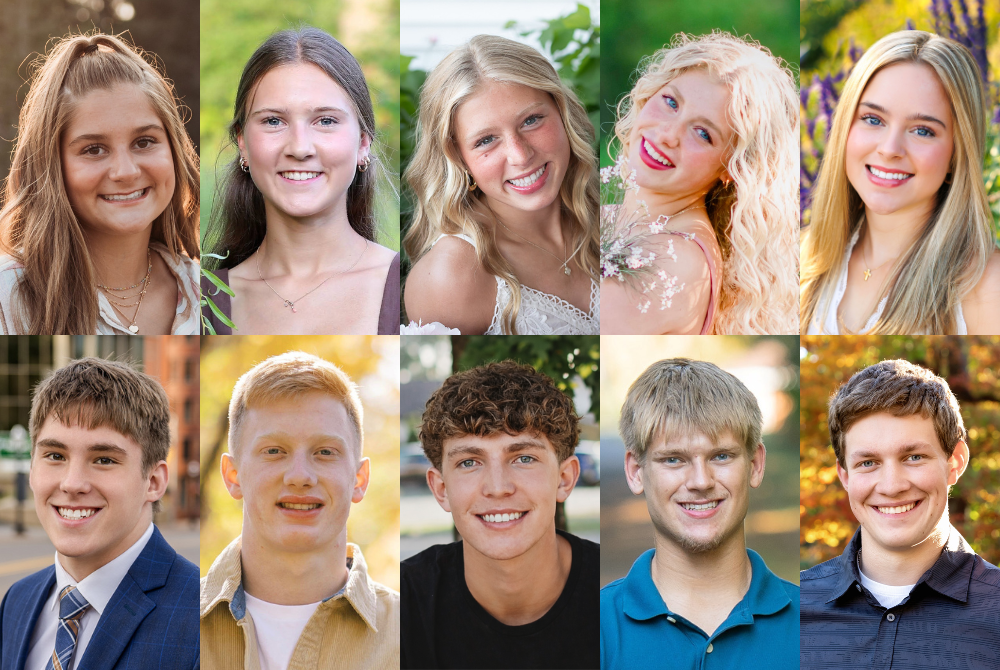
The Michigan High School Athletic Association has selected 10 student-athletes from Class C and D member schools to receive scholarships through the MHSAA/Farm Bureau Insurance Scholar-Athlete Award program.
 Farm Bureau Insurance, in its 37th year of sponsoring the award, will give $2,000 college scholarships to 32 individuals who represent their member schools in at least one sport in which the Association sponsors a postseason tournament. The first 30 scholarships are awarded proportionately by school classification and the number of student-athletes involved in those classes; also, there are two at-large honorees who can come from any classification.
Students applying for the Scholar-Athlete Award must be carrying at least a 3.5 (on a 4.0 scale) grade-point average and have previously won a letter in a varsity sport in which the Michigan High School Athletic Association sponsors a postseason tournament. Other requirements for the applicants were to show active participation in other school and community activities and produce an essay on the importance of sportsmanship in educational athletics.
The 32 scholarship recipients will be recognized March 14 during the MHSAA Boys Basketball Finals at the Breslin Student Events Center in East Lansing.
The Class C Scholar-Athlete Award honorees are Maya Carlson, Manistique; Hope Miller, Blissfield; Irelynn Pachulski, Saranac; Gavin Comero, Ishpeming Westwood; Drew Ruddy, Ottawa Lake Whiteford; and Ethan Stine, Bridgman.
The Class D Scholar-Athlete Award recipients are Caila Fitchett, Dryden; Madison Karakashian, Bloomfield Hills Academy of the Sacred Heart; Jack Nelson, Ontonagon; and David Wahl, Gaylord St. Mary.
Overviews of the scholarship recipients of the Class C Scholar-Athlete Award follow. A quote from each recipient's essay also is included:
 Maya Carlson, Manistique
Played three seasons of varsity volleyball, ran three of cross country, played two seasons of varsity basketball, one of golf, and is finishing her first season of swimming & diving. She also will compete in her fourth season of track & field this spring and has played travel ice hockey throughout high school. Finished among the top four at MHSAA Cross Country Finals twice and earned all-state and academic all-state in that sport. Earned all-region and academic all-state in volleyball and qualified for MHSAA Finals all of her first three seasons of track. Participating in second year of National Honor Society and as treasurer, serving third year as student council president and first as student leadership vice president. Served on Youth Advisory Council and participated in YETI service club throughout high school and served as president of both. Will attend Trine University and major in exercise science.
Essay Quote: “I learned that being competitive and being a good sport aren’t opposites. In fact, they depend on each other. When you respect the game and the people playing it, your victories feel more accomplished, and your losses teach you more.”
 Hope Miller, Blissfield
Ran four seasons of cross country, is playing her second of varsity basketball, and will compete in fourth of varsity track & field this spring; also played two seasons of varsity soccer. Earned all-state in cross country three times and set school record in that sport, earned all-state two seasons in track and set school records in two races, and earned all-league in soccer. Helped basketball team to league and District titles. Served as cross country team captain the last two seasons. Participating in second year of National Honor Society and as secretary, fourth on student council and as vice president, and third on Lenawee Youth Council. Founded and serving as editor of school newspaper. Participated in two years of debate and received top speaker awards. Is undecided where she will attend college but intends to study ecology or environmental sciences.
Essay Quote: “Sportsmanship allows for a community to be built around a shared love for the sport and a goal of improving oneself as much as possible. In order for athletes to reach their full potential they must be in an environment that supports their goals and their needs as well as encourages them to have fun with their sport.”
 Irelynn Pachulski, Saranac
Played two seasons of varsity volleyball, is completing her second of varsity basketball, and will play her third season of varsity softball and compete in her fourth season of track & field this spring. Also played two seasons of junior varsity football, and participated on the sideline cheer team as a senior. Earned all-league recognition in volleyball, softball and track, also all-region in softball and qualified for the MHSAA Finals in track the last two seasons. Served as captain in volleyball and softball and served on hiring committees for varsity volleyball and softball coaches. Participated in Scouting throughout high school and attained Eagle Scout rank as a sophomore. Played in marching and concert bands throughout high school, serving as marching band drum major and percussion section leader. Participating in third year of National Honor Society and second on student council, as treasurer. Played lead roles in three drama productions. Will attend Montcalm Community College and study exercise science, then transfer to finish her studies in physical therapy.
Essay Quote: “Sportsmanship in high school athletics starts with strong leadership. When coaches set the pace, players follow. Where an intentional culture of good sportsmanship exists, you can try new things. You can be brave. You can learn.”
 Gavin Comero, Ishpeming Westwood
Played two seasons of varsity football, is completing his fourth season of wrestling and will compete in his fourth season of track & field this spring. Earned all-state in track & field and all-conference in football and wrestling, and all-academic in wrestling as well. Served as team captain for football and wrestling. Participating in second year of National Honor Society and third on student council. Played in concert/pep band throughout high school and competed with Business Professionals of America the last three years, earning state and national places in BPA and serving as president as a senior. Served as student council vice president as a freshman and sophomore and band council vice president this school year. Participated two years in Key Club and as part of local Big Brothers Big Sisters organization, and served as volunteer youth wrestling coach throughout high school. Will attend University of Michigan and study business administration.
Essay Quote: “Throughout the season I learned the bigger picture of sportsmanship, playing with integrity at all times. No matter what that scoreboard read at the end each Friday night, we continued to play with 110-percent effort. We had every reason to be negative and start pouting, but we remained positive and persisted.”
 Drew Ruddy, Ottawa Lake Whiteford
Played three seasons of varsity football, is playing his second season of varsity basketball and will compete in his fourth season of track & field this spring. Earned all-state and academic all-state in football and played on Finals championship and runner-up teams. Qualified for MHSAA Finals in track & field and earned academic all-state in that sport, and earned league scholar-athlete awards in all three sports all four years. Served as captain of all three varsity teams. Serving fourth year as class president and participating in second year of National Honor Society. Participating in third year of Fellowship of Christian Athletes and as huddle leader. Participated three years in Future Farmers of America and was a state competitor, and has contributed to multiple community service projects. Will attend Hillsdale College, but is undecided what he will study.
Essay Quote: “Sportsmanship is a mental discipline that requires integrity, strength of character, and the willingness to make the right decisions every time. It is also about practicing emotional intelligence, exercising self-control, and speaking with respect to others while on and off the field. Sportsmanship is about respecting yourself enough to accept both wins and losses with humility.”
 Ethan Stine, Bridgman
Played three seasons of varsity football and two of varsity soccer, is playing his fourth of varsity basketball and will play his fourth of varsity baseball this spring. Earned all-league honors in football, basketball and baseball, all-state recognition in soccer and academic all-state in baseball. Helped baseball team to Division 3 Finals championship as a freshman and all three of his other teams to league and/or District championships. Served as captain of football, basketball and baseball varsity teams. Serving second year on MHSAA Student Advisory Council and participating in third year of National Honor Society, and this year as chapter president. Competed on DECA team throughout high school, twice qualifying for state finals. Is undecided where he will attend college but intends to study engineering.
Essay Quote: “… Sportsmanship is the active choice to empathize with the people around you – whether they wear a stripe, a rival uniform, or our own colors. It's the unwavering commitment to life lessons over scoreboard outcomes. Our wins fade, but the way we treat people under pressure defines us forever. That competitive integrity, built on genuine respect and humility, is the most valuable degree we earn in educational athletics.”
Other Class C girls finalists for the Scholar-Athlete Award were Ashley Carlson, Norway; Lillian Kwiatkowski, Rudyard; Izabella Latuszek, Laingsburg; Anna Poppema, Bath; Addyson Rhodes, Grandville Calvin Christian; Brynne Schulte, Elk Rapids; Molly Soper, Hanover-Horton; Luella Whipkey, Oscoda; and Emma Winans, Perry.
Other Class C boys finalists for the Scholar-Athlete Award were Sean Dammann, New Lothrop; Joe Gaffney, Charlevoix; Ryan Kowalczyk, Pinconning; Amos Miller, Saginaw Arts & Sciences Academy; Luke Paxton, Pewamo-Westphalia; Sean Siems, Kalamazoo Hackett Catholic Prep; Logan Slimko, North Muskegon; Eli Smith, LeRoy Pine River; and Grason Weber, Leslie.
Overviews of the scholarship recipients of the Class D Scholar-Athlete Award follow. A quote from each recipient's essay also is included:
 Caila Fitchett, Dryden
Ran four seasons of cross country and also played her first of varsity volleyball in the fall, bowled as a junior and played two seasons of varsity soccer, and will compete in her fourth season of track & field this spring. Earned all-conference in eight track events during her career and all-state as part of the 1,600 relay as a sophomore. Won league cross country championship and served as captain of both the cross country and track teams. Participating in third year of National Honor Society and has served as chapter president two years. Serving fourth year on student council and has held office of vice president, and also has served as president of National Junior Honor Society, Spanish Club and school’s indoor track club. Participating in fourth year of youth group and co-founded Fellowship of Christian Athletes chapter. Earned Rural and Small Town Award from College Board and Horatio Alger Association scholarship. Will attend Hope College and study psychology.
Essay Quote: “Sportsmanship is powerful because it teaches something the stopwatch never could. … It’s not about perfection. It’s not about medals or times. It’s about creating an environment where athletes realize that kindness, belief, and respect can change a season, or even a life.”
 Madison Karakashian, Bloomfield Hills Academy of the Sacred Heart
Ran third year of cross country in the fall, is competing in third season of varsity skiing and will play third year of varsity tennis this spring. Earned all-region recognition in skiing and has served as that team’s captain three seasons. Competed in equestrian for more than five years including her first two of high school and qualified for national events multiple times. Participating in National Honor Society and serving fourth year in student government. Earned College Board recognition and the Dartmouth Book Award, Women in STEM Award from Rochester Institute of Technology and Rensselaer Medalist Award. Served as captain three years for debate and ethics bowl team, earning all-Catholic honors. Founded school’s all-girls robotics team that qualified for state competition. Founded and served as president of school’s Mental Health Matters Club, and founded company that generated more than $50,000 in revenue in the equine care industry. Is undecided on where she will attend college but intends to study biomedical engineering.
Essay Quote: “Athletics have also taught me that sports mirror real life. There are wins and losses, moments of confidence and moments of doubt. Sportsmanship is what helps you navigate all of it.”
 Jack Nelson, Ontonagon
Played three seasons of varsity football, playing fourth of varsity basketball and will compete in fourth of track & field and golf and second of varsity baseball this spring. Also ran cross country as a freshman. Earned all-conference recognition in football and basketball, all-Upper Peninsula in golf and qualified for the MHSAA Finals in that sport. Served as captain of basketball team for four seasons and football team for two. Participating in third year of National Honor Society – this school year as chapter vice president – serving fourth as class vice president and attended American Legion Boys State. Serving as school radio station student manager, participating in second year of yearbook committee and fourth with school’s TANGO service group, and has participated all four years as part of St. Nicholas Project service efforts. Will attend Northern Michigan University and study multimedia production.
Essay Quote: “To me, the two core values of sportsmanship are respect and humility. These traits are important in every aspect of life, whether it's on the court, in the office, or at your grandparent’s house. Sportsmanship is like a compass, not only guiding athletes through competition, but pointing them towards the character values that will shape their lives, long after the final whistle blows.”
 David Wahl, Gaylord St. Mary
Played three seasons of varsity football, is playing second of varsity basketball and will play fourth of varsity baseball this spring. Earned all-league recognition in football and served as captain of that team. Earned National Merit Scholarship Commended Scholar and AP Scholar with Distinction awards, and College Board National Rural and Small Town recognition. Participating in third year of National Honor Society, serving as president, and third year as part of school student leadership team. Serving third year as local Downtown Development Authority student representative, and served as representative on national Youth Leadership Council. Participating in fourth years in school’s theatre club and music ministry, and played two years in marching/concert/jazz band earning Division 1 ratings for district and state solo and ensemble. Will attend University of Notre Dame and intends to study civil engineering.
Essay Quote: “Since that day, I approach competition differently. I’ve become a captain who models respect for opponents and empathy for teammates. I appreciate every moment I’m given, recognizing that each play, each season, is a privilege rather than a guarantee. I have learned to temper my drive with humanity and to pursue perfection without sacrificing compassion.”
Other Class D girls finalists for the Scholar-Athlete Award were Emily DelFavero, Wakefield-Marenisco; Isabel Rookard, Mount Pleasant Sacred Heart; Alexa Ross, Bloomfield Hills Academy of the Sacred Heart; Audrey Stone, Bessemer; Lorna Wiesen, Leland; and Hope Woolman, Sterling Heights Parkway Christian.
Other Class D boys finalists for the Scholar-Athlete Award were Zyan Breznik, Adrian Lenawee Christian; Ian Flanagan, Deckerville; Connor Hill, Hillsdale Academy; Brady Jungwirth, Felch North Dickinson; Louis Kowalsky, West Bloomfield FJA; and Noah Zeien, Mount Pleasant Sacred Heart.
The Class B scholarship award recipients will be announced Feb. 10, and the Class A honorees will be announced Feb. 17.
Farm Bureau Insurance of Michigan was founded in 1949 by Michigan farmers who wanted an insurance company that worked as hard as they did. Those values still guide the company today and are a big reason why it is known as Michigan’s Insurance Company, dedicated to protecting the farms, families, and businesses of this great state. Farm Bureau Insurance agents across Michigan provide a full range of insurance services — life, home, auto, farm, business, retirement, Lake Estate®, and more — protecting nearly 500,000 Michigan policyholders.
The MHSAA is a private, not-for-profit corporation of voluntary membership by more than 1,500 public and private senior high schools and junior high/middle schools which exists to develop common rules for athletic eligibility and competition. No government funds or tax dollars support the MHSAA, which was the first such association nationally to not accept membership dues or tournament entry fees from schools. Member schools which enforce these rules are permitted to participate in MHSAA tournaments, which attract more than 1.4 million spectators each year.
-0-