


Be the Referee: No 1st-Year Fee
October 12, 2017
In this week's edition, assistant director Mark Uyl explains the minimal costs of becoming an official and how the MHSAA further helps those signing up for the first time by the waiving registration fee.
Be The Referee is a series of short messages designed to help educate people on the rules of different sports, to help them better understand the art of officiating, and to recruit officials.
Below is this week's segment – No 1st-Year Fee - Listen
We often get asked the question – exactly how much does it cost to become an official?
The first step in the process includes registering with the MHSAA, which costs roughly $50. With this $50, an official gets rules books, case books, mechanics manuals and over $1 million in liability insurance coverage.
For anyone registering for the first time, the MHSAA waives that fee in the first year. With someone who is new to officiating, the cost of purchasing a uniform, equipment, and attending some camps and clinics are going to be first-year expenditures – which is why that first year is free on the MHSAA.
Past editions
October 5: Athletic Empty Nesters - Listen
September 28: Misunderstood Football Rules: Kicking - Listen
September 21: Preparation for Officials - Listen
September 14: Always Stay Registered - Listen
September 7: Other Football Rules Changes - Listen
August 31: Pop-Up Onside Kicks - Listen
August 24: Blindside Blocks - Listen
Be the Referee: Soccer Changes
By
Paige Winne
MHSAA Director of Brand Management
September 22, 2026
Be The Referee is a series of short messages designed to help educate people on the rules of different sports, to help them better understand the art of officiating, and to recruit officials.
Below is this week's segment – Soccer Changes - Listen
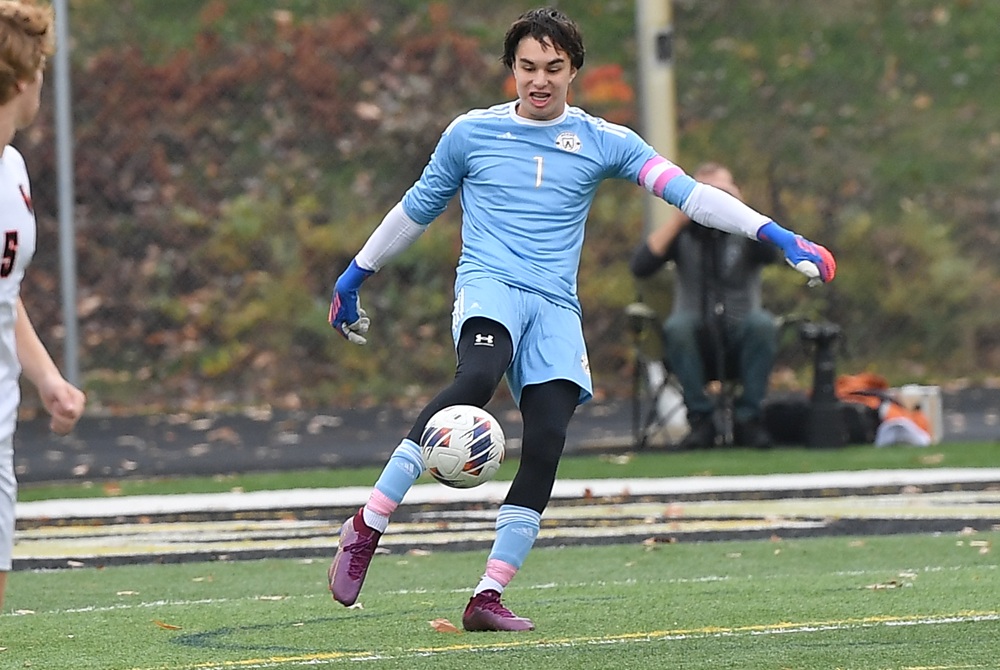
New this year in high school soccer, goalkeepers will have more time available to them before having to release the ball.
Now – once a keeper establishes possession of the ball – they will have eight seconds before having to play the ball. Previously, keepers had six seconds before having to release it.
The penalty for failing to release the ball in time is also changing.
A goalkeeper who is whistled for hanging on to the ball for longer than eight seconds will now see the opponent awarded a corner kick. The old rule awarded an indirect free kick.
So remember – starting this year – keepers get up to eight seconds before having to release the ball, and failure to do so will result in a corner kick for the opposing team.
Previous 2026-27 editions
Sept: 15: Dead Ball Penalty - Listen
Sept. 8: Libero Ejected - Listen
Sept. 1: Soccer Foul After Shot on Goal - Listen
Aug. 25: Fumble Out of Bounds - Listen