

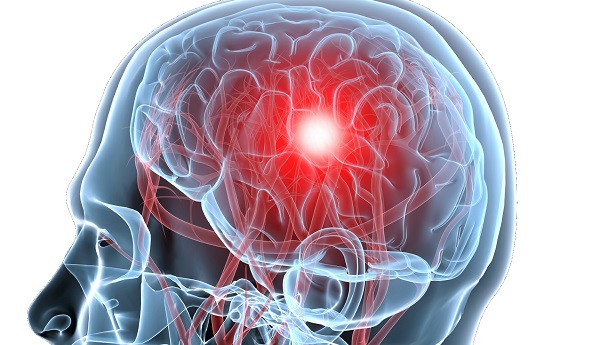
Be Proactive with Concussions
October 22, 2019

Most people have seen the headlines about concussions as a common sports injury, and it's natural that parents may be concerned for their young athlete.
A large misconception in sports is that previous concussions are to be blamed for ongoing headaches, blurred visions and memory loss, among other symptoms.
“It’s really important to think about concussions in concert with overall brain health,” says Jeffrey Kutcher, M.D., a sports neurologist who treats athletes at the Henry Ford Concussion and Sports Neurology Clinic. “Concussions can be concerning, but they shouldn’t be looked at in a vacuum. The best way to prevent brain injury begins before the injury occurs.”
One way to do that is to consult with your child’s doctor or a sports neurologist for an annual evaluation. A sports neurologist focuses on managing sports-related brain and nervous system injuries and conditions in athletes, such as concussions, post-concussion syndrome, peripheral nerve injuries, migraines, epilepsy, and more.
“Having an annual evaluation of your athlete’s brain function when they are healthy and uninjured can help diagnose and treat issues when they arise,” says Dr. Kutcher.
Results from the baseline test can be used as an important tool for comparison by a qualified healthcare professional later if an athlete has a suspected concussion.
Best Practices to Ensure Your Athlete Stays Safe
Dr. Kutcher shares these tips for parents to make sure you’re keeping your child’s brain health and safety – not just their athletic performance – at the forefront:
• Get a brain health baseline. A proper baseline test should include a personal and family neurological history, with a focus on any active issues. It is important to note any neurological conditions that may influence concussion recovery, such as ADHD, depression, anxiety, or migraine headaches.
• Teach your kid to listen to her or his body. With any sport, there is a calculated risk to play. Teaching kids to listen to and be honest about how their body is feeling is the best way to prevent and treat injuries.
• In the event of an injury, look for the signs. Within 24 hours after an injury, an athlete should be evaluated if they are experiencing:
· Headaches
· Fatigue
· Dizziness and nausea
· Changes in sleep habits
· Trouble with memory
· Confusion
· Irritability and anxiety
· Light sensitivity
• Brain injuries don’t just occur with a blow to the head. They can also occur from falls, car accidents, or even through whiplash. If your child is experiencing any symptoms, be sure to consult your physician.
• Brain health is more than just concussions. If your athlete is complaining of chronic headaches, migraines, dizziness, memory or mood issues, there may be an underlying issue.
“There is no magic number of concussions a brain can sustain. Each individual is different,” Dr. Kutcher explains. “The impact severity and recovery time can greatly affect an athlete’s brain. By getting a baseline before the injury, we can establish a goal to work towards in recovery.”
Want to learn more? Henry Ford Health System sports medicine experts are treating the whole athlete, in a whole new way. From nutrition to neurology, and from injury prevention to treatment of sports-related conditions, they can give your athlete a unique game plan.
Visit henryford.com/sports or call (313) 972-4216 for an appointment within 24 business hours.
This Week in High School Sports: 10/22/26
By
Jon Ross
MHSAA Director of Broadcast Properties
October 22, 2026
This week's edition reviews this season's Lower Peninsula Girls Golf Finals and presents Game Balls to high achievers in volleyball and football.
 The 5-minute program each week includes feature stories from MHSAA.com or network affiliates, along with "Be the Referee," a 60-second look at the fine art of officiating.
"This Week in High School Sports" is powered by MI Student Aid, a division within the Department of Lifelong Education, Advancement, and Potential (MiLEAP).
Listen to this week's show by Clicking Here.
Previous 2026-27 editions
Oct. 15: 2026-27 MHSAA/Farm Bureau Insurance Scholar-Athlete Awards - Listen
Oct. 8: Upper Peninsula Girls Tennis Finals review - Listen
Oct. 1: 2026 MHSAA Football Playoff schedules - Listen
Sept. 24: Pontiac Notre Dame Prep coach Betty Wroubel's record pursuit - Listen
Sept. 17: Mattawan/Battle Creek Central's high-scoring football matchup - Listen
Sept. 10: 2025-26 MHSAA participation national rankings - Listen
Sept. 3: 2025-26 MHSAA postseason attendance - Listen
Aug. 27: Officiate Michigan Day, What's My Why - Listen