

Coach's Guide to Nutrition: Hydration
June 10, 2024
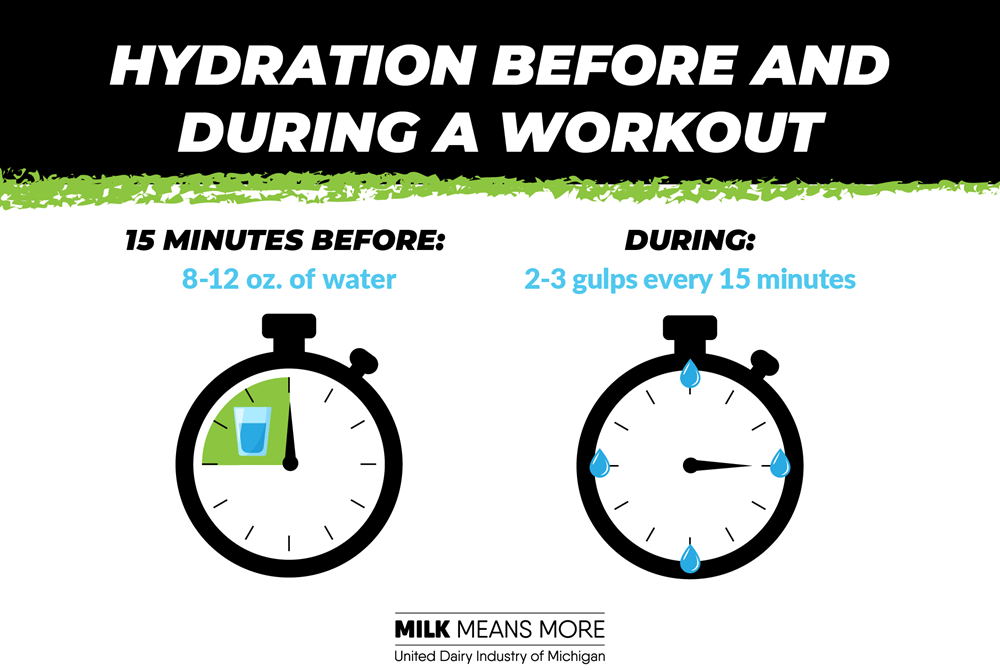
Stay hydrated during exercise. Encourage athletes to take at least 2-3 sips (2-3 ounces) of water every 15 minutes.
 Exercising for more than an hour? Sports drinks can help replace fluid, carbs and electrolytes.
Some athletes do not feel thirsty while they are active, so regular water breaks are important. As always, if they feel thirsty, let them grab a drink. If they feel dizzy, confused or nauseated, they should STOP and tell a coach or teammate. This may indicate they are dangerously dehydrated. Access to water should NEVER be used as a punishment.
Athletes should also look for these symptoms in teammates and remind them to hydrate when necessary. For a more individualized recommendation or for athletes with a cramping history, refer them to a Registered Dietician Nutritionist (RDN).
Dehydration Warning Signs:
- Cramping
- Nausea
- Dizziness
- Confusion
Information above is excerpted from UDIM’s A Coach’s Guide to Nutrition.
Coach's Guide to Nutrition: Celebrate Chocolate Milk Day on Sept. 27
September 22, 2026
National Chocolate Milk Day, celebrated on September 27, is a great opportunity to highlight a favorite drink that can also play a role in an athlete’s recovery routine.
For high school athletes, chocolate milk can be a convenient choice after a hard practice, workout or game.
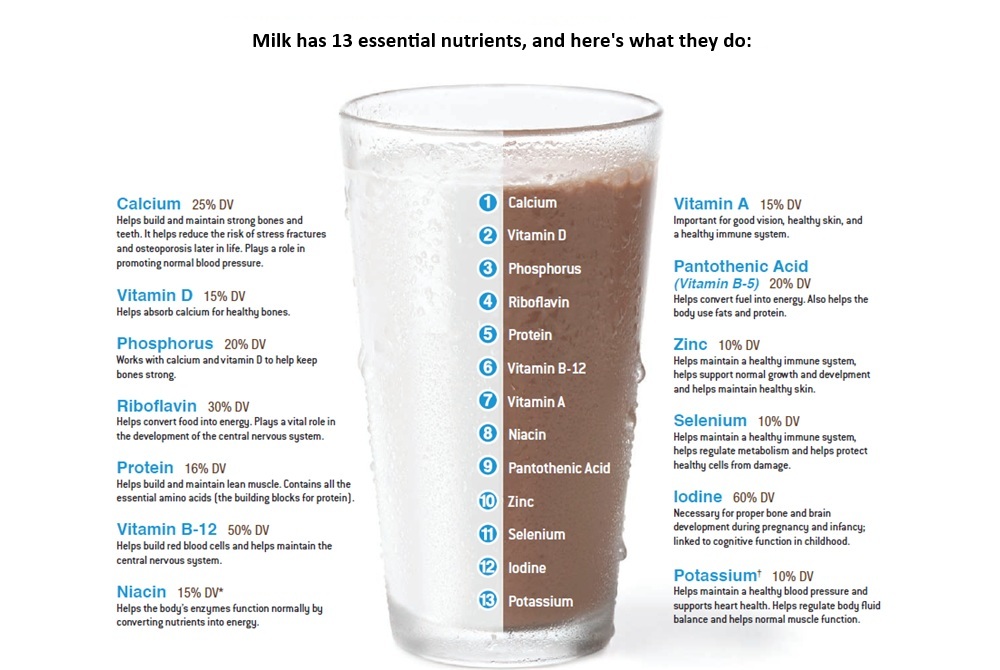
It provides carbohydrates to help replace energy, protein to help repair and rebuild muscle, and fluids and electrolytes to support rehydration.
The first 30-45 minutes after exercise is an important time to begin refueling, and chocolate milk provides key nutrients athletes need to help their bodies recover and prepare for what’s next.
This National Chocolate Milk Day, raise a glass and refuel, rebuild and rehydrate for what’s next.
Information above is excerpted from UDIM’s A Coach’s Guide to Nutrition.