


Heat Ways: School Sports Prepared for Oncoming Wave of High Temps, Humidity
By
Geoff Kimmerly
MHSAA.com senior editor
August 27, 2024
With temperatures and humidity expected to rise exceptionally today across most of downstate Michigan, decision-makers across school sports are prepared to take precautions to keep all involved in our activities safe as we ride out this latest heat wave.
The MHSAA’s Model Policy for Managing Heat & Humidity is required only during postseason activities, but has been adopted by several schools across the state for preseason and regular-season practices and competitions.
The plan directs schools to begin monitoring the heat index at the activity site once the air temperature reaches 80 degrees and provides recommendations when the heat index reaches certain points, including ceasing activities when it rises above 104 degrees. (When the temperature is below 80 degrees, there is no combination of heat and humidity that will result in a need to curtail activity.) Other precautions include the addition of mandatory 10-minute water breaks and the removal of equipment (including helmets and shoulder pads in football).
The model heat & humidity policy is outlined in a number of places on the MHSAA Website, including as part of the Heat Ways publication linked on the “Health & Safety” page.
PHOTO Otsego High School trainer Taylor Austin tracks field conditions Monday during a soccer match. (Photo by Gary Shook.)
Coaches Guide to Nutrition: No Tricks, Just Smart Fuel
October 20, 2026
Halloween may bring plenty of treats, but fueling your body doesn’t have to be tricky!
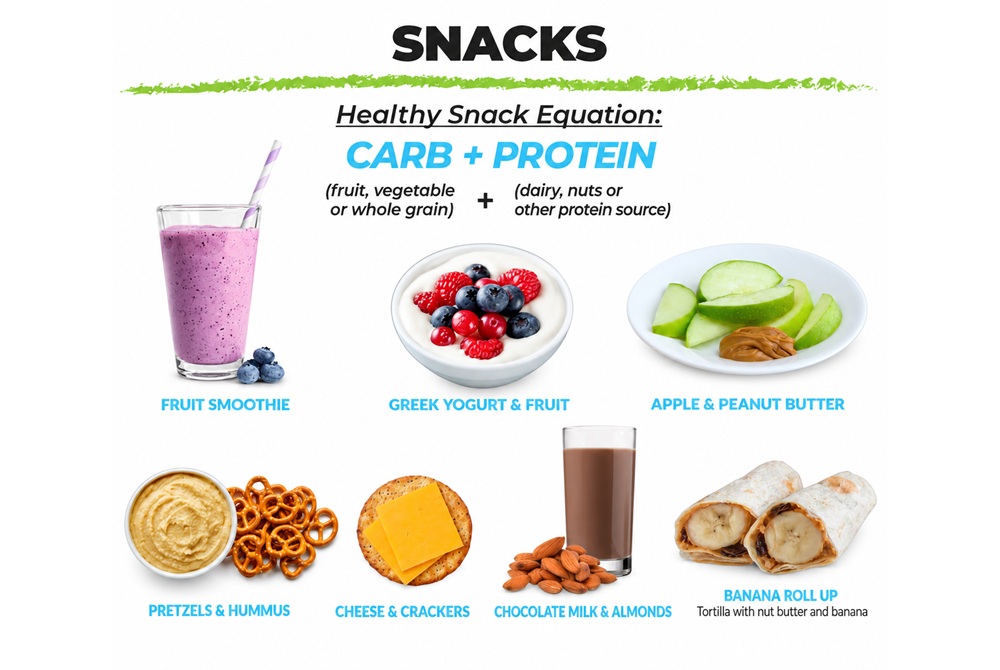
 For high school athletes, healthy snacks are an important way to maintain energy between meals and support performance before and after activity.
A simple formula to remember is carbohydrate + protein.
Try combinations like Greek yogurt and fruit, cheese and crackers, a fruit smoothie, or chocolate milk and almonds.
And yes, there’s still room for your favorite Halloween candy!
Rather than labeling foods as “good” or “bad,” focus on choosing nutrient-rich foods more often while enjoying foods with less nutrition occasionally.
For athletes, it’s all about finding balance while giving your body the fuel it needs for school, practice, and competition.
Information above is excerpted from UDIM’s A Coach’s Guide to Nutrition.