Be Proactive with Concussions

October 22, 2019

Henry Ford Health System

Most people have seen the headlines about concussions as a common sports injury, and it's natural that parents may be concerned for their young athlete. 

A large misconception in sports is that previous concussions are to be blamed for ongoing headaches, blurred visions and memory loss, among other symptoms.

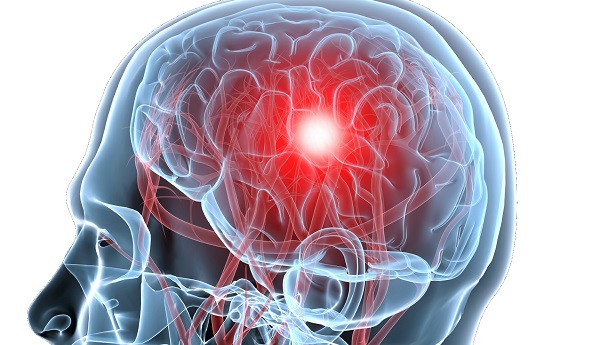
“It’s really important to think about concussions in concert with overall brain health,” says Jeffrey Kutcher, M.D., a sports neurologist who treats athletes at the Henry Ford Concussion and Sports Neurology Clinic. “Concussions can be concerning, but they shouldn’t be looked at in a vacuum. The best way to prevent brain injury begins before the injury occurs.”

One way to do that is to consult with your child’s doctor or a sports neurologist for an annual evaluation. A sports neurologist focuses on managing sports-related brain and nervous system injuries and conditions in athletes, such as concussions, post-concussion syndrome, peripheral nerve injuries, migraines, epilepsy, and more.

“Having an annual evaluation of your athlete’s brain function when they are healthy and uninjured can help diagnose and treat issues when they arise,” says Dr. Kutcher.

Results from the baseline test can be used as an important tool for comparison by a qualified healthcare professional later if an athlete has a suspected concussion.


Best Practices to Ensure Your Athlete Stays Safe

Dr. Kutcher shares these tips for parents to make sure you’re keeping your child’s brain health and safety – not just their athletic performance – at the forefront:

• Get a brain health baseline. A proper baseline test should include a personal and family neurological history, with a focus on any active issues. It is important to note any neurological conditions that may influence concussion recovery, such as ADHD, depression, anxiety, or migraine headaches.

• Teach your kid to listen to her or his body. With any sport, there is a calculated risk to play. Teaching kids to listen to and be honest about how their body is feeling is the best way to prevent and treat injuries.

• In the event of an injury, look for the signs. Within 24 hours after an injury, an athlete should be evaluated if they are experiencing:
· Headaches
· Fatigue
· Dizziness and nausea
· Changes in sleep habits
· Trouble with memory
· Confusion
· Irritability and anxiety
· Light sensitivity

• Brain injuries don’t just occur with a blow to the head. They can also occur from falls, car accidents, or even through whiplash. If your child is experiencing any symptoms, be sure to consult your physician.

• Brain health is more than just concussions. If your athlete is complaining of chronic headaches, migraines, dizziness, memory or mood issues, there may be an underlying issue.

“There is no magic number of concussions a brain can sustain. Each individual is different,” Dr. Kutcher explains. “The impact severity and recovery time can greatly affect an athlete’s brain. By getting a baseline before the injury, we can establish a goal to work towards in recovery.”

Want to learn more? Henry Ford Health System sports medicine experts are treating the whole athlete, in a whole new way. From nutrition to neurology, and from injury prevention to treatment of sports-related conditions, they can give your athlete a unique game plan.

Visit henryford.com/sports or call (313) 972-4216 for an appointment within 24 business hours.

Century of School Sports: 200+ Representatives Fill All-Time Council Roster

By Geoff Kimmerly
MHSAA.com senior editor

May 6, 2025

When Plymouth-Canton Community Schools superintendent Monica Merritt attended her first meeting as a member of the MHSAA’s Representative Council on March 21 in East Lansing, she became the 203rd voting member to serve on the association’s legislative body since the first Council convened Dec. 13, 1924.

We covered how the Council is comprised in our Dec. 3 installment – “MHSAA Work Guided by Representative Council.” Briefly, the Council is the 19-member legislative body of the MHSAA. All but five members are elected by member schools. Four members are appointed by the Council to facilitate representation of females and minorities, and the 19th position is occupied by the Superintendent of Public Instruction or designee.

During a typical school year, the Council meets three times, and convened for the third time for 2024-25 this past Sunday and Monday in Gaylord.

The first Representative Council included 11 members, from Ann Arbor, Battle Creek, Detroit, Eaton Rapids, Escanaba, Flint, Grand Rapids, Ishpeming, Otsego, Petoskey and Saginaw. While it’s difficult to say how many high schools specifically have been represented over the years – for example, Detroit Public Schools as a district has one representative, and there are multiple statewide positions – it’s accurate to say at least 130 communities (made of one or more schools) have sent at least one delegate over the last century.

Total, 54 Council members have served at least a decade, and 11 of those 54 have served at least 20 years: Detroit’s George Mead (1930-62) and Roy Allen (1976-96), Gwinn’s Leo P. McDonald (1930-52), Saginaw’s Roy J. McMurray (1932-50, 1952-57), Escanaba’s Dan Flynn (1988-2010), Grand Haven's Scott Grimes (2001-24), Deerfield, Beal City, Hartford and Cheboygan’s Paul Ellinger (1985-2007); Gaylord, Benzonia and Bear Lake’s Karen Leinaar (2000-2021); Clare, Maple City and Sanford Meridian’s William Newkirk (1988-2007), Trenton and Gibraltar Carlson’s Eric Federico (1986-94, 1996-2009) and current director of physical education and athletics for the Archdiocese of Detroit Vic Michaels, who has represented non-public schools on the Council since 2003.

A total of 17 Council members have served multiple terms but not entirely consecutively, with Petoskey’s Robert Doctor the only one with two breaks; he was on the Council from 1972-80, 1988-90 and 1994-95. As noted by his 32 years above, Mead was on the Council longest, representing Detroit Public Schools during his tenure as health and physical education director.

At least eight Council members have represented multiple schools, including current member Fred Smith, who has served a combined 15 years over two tenures while employed at Comstock, Buchanan, Benton Harbor and currently Bangor.

Michigan Department of Education representatives are not counted in the totals above as they are non-voting members – but they has provided an invaluable viewpoint during Council proceedings over the years. The current MDE representative on Council is Ross Fort, who serves as special assistant to the deputy superintendent.

The photo above was taken Monday morning. Front row, from left, are MHSAA executive director Mark Uyl, Michaels (who also serves as Council secretary/treasurer), Midland athletic director and Council president Eric Albright, and Brighton athletic director and Council vice president John Thompson.

Second row, from left, are Gobles athletic director Chris Miller, Freeland Middle School principal Jennifer Thunberg, Kingsford athletic director Chris Hartman and Camden-Frontier superintendent Chris Adams.

Third row, from left: Boyne City High School principal Adam Stefanski, Harbor Springs athletic director Anna Novak, Wyoming Godfrey-Lee Public Schools superintendent Arnetta Thompson, Mt. Morris athletic director Jeff Kline and Fenton High School principal Mike Bakker.

Back row, from left: Westland John Glenn athletic director Jason Malloy, Smith, Merritt, Fort, Detroit Public Schools executive director of athletics Jay Alexander and Calumet assistant principal Sean Jacques. (Portage Northern athletic director Chris Riker is not pictured.)

Previous "Century of School Sports" Spotlights

April 29: MHSAA Programs Prioritize Health & Safety - Read
April 23:
Patches Signify Registered Officials' Role in MHSAA Story - Read
April 16:
Student Advisory Council Gives Voice to Athletes - Read
April 9:
State's Storytellers Share Spring Memories - Read
April 2:
Sharp Leadership Synonymous with MHSAA Success - Read
March 25:
Athletic Directors Indispensable to Mission of School Sports - Read
March 18:
2025 Finals Begin Next Half-Century of Girls Hoops Championships - Read
March 11:
Boys Basketball's Best 1st to Earn MHSAA Finals Titles - Read
March 5:
Everything We Do Begins with Participation - Read
Feb. 25:
Slogans & Logos Remain Unforgettable Parts of MHSAA History - Read
Feb. 19:
MHSAA Tickets Continue to Provide Fan-Friendly Value - Read
Feb. 11:
We Recognize Those Who Make Our Games Go - Read
Feb. 4:
WISL Conference Continues to Inspire Aspiring Leaders - Read
Jan. 28:
Michigan's National Impact Begins at NFHS' Start - Read
Jan. 21:
Awards Celebrate Well-Rounded Educational Experience - Read
Jan. 14:
Predecessors Laid Foundation for MHSAA's Formation - Read
Jan. 9:
MHSAA Blazes Trail Into Cyberspace - Read
Dec. 31: 
State's Storytellers Share Winter Memories - Read
Dec. 17: 
MHSAA Over Time - Read
Dec. 10:
On This Day, December 13, We Will Celebrate - Read
Dec. 3:
MHSAA Work Guided by Representative Council - Read
Nov. 26: 
Finals Provide Future Pros Early Ford Field Glory - Read
Nov. 19:
Connection at Heart of Coaches Advancement Program - Read
Nov. 12:
Good Sports are Winners Then, Now & Always - Read
Nov. 5:
MHSAA's Home Sweet Home - Read
Oct. 29:
MHSAA Summits Draw Thousands to Promote Sportsmanship - Read
Oct. 23:
Cross Country Finals Among MHSAA's Longest Running - Read
Oct. 15:
State's Storytellers Share Fall Memories - Read
Oct. 8:
Guided by 4 S's of Educational Athletics - Read
Oct. 1:
Michigan Sends 10 to National Hall of Fame - Read
Sept. 25: MHSAA Record Books Filled with 1000s of Achievements - Read
Sept. 18:
Why Does the MHSAA Have These Rules? - Read
Sept. 10: 
Special Medals, Patches to Commemorate Special Year - Read
Sept. 4:
Fall to Finish with 50th Football Championships - Read
Aug. 28:
Let the Celebration Begin - Read